Things to Do in Nouméa, New Caledonia: Walking Guide
Things to Do in Nouméa: What to See in New Caledonia’s Capital
Looking for things to do in Nouméa? New Caledonia’s capital brings together historic churches, Kanak heritage, French colonial history and a lively city center shaped by its Pacific setting. A free Neywo audio guide for Nouméa covers 8 narrated places, helping you discover the city as you walk.
What to See in Nouméa
Vieux Temple de Nouméa
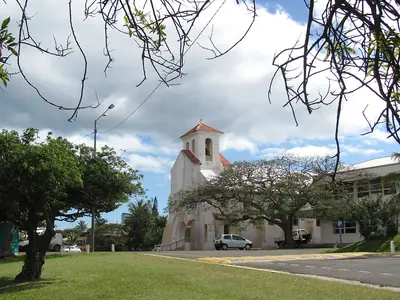
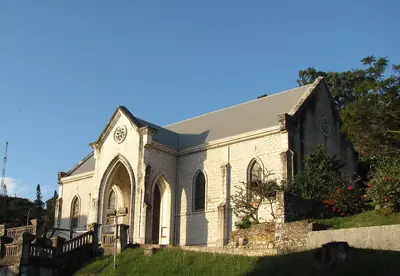
The Vieux Temple, or Old Temple, is one of Nouméa’s oldest Protestant places of worship. The church stands along boulevard Vauban, at the foot of the colline du Sémaphore, in the city center.
The main building was inaugurated in 1893. A presbytery followed in 1895, while the community hall, known as the foyer fraternel, was completed in 1945. Its quiet position above rue de l’Alma makes it a notable historic stop while exploring downtown Nouméa.
Place des Cocotiers
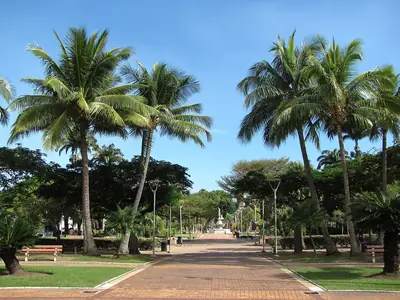
Place des Cocotiers is the heart of downtown Nouméa. The pedestrian square is lined with shops, cafés and important buildings, including the town hall, and is a natural place to pause during a city walk.
At its center stands the Fontaine Céleste. The fountain marks point zero for road distances across New Caledonia: every road in the territory is measured from this spot. The square covers about four hectares and is roughly 100 meters wide and 400 meters long.
Nouméa Cathedral
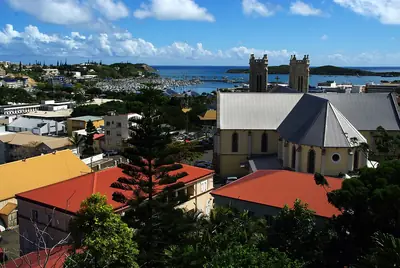
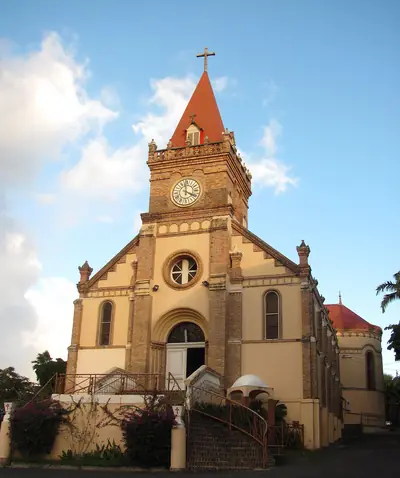
Nouméa Cathedral, officially the Cathédrale Saint-Joseph de Nouméa, is a Roman Catholic cathedral in the heart of the city. Dedicated to Saint Joseph, it has been the seat of the Archdiocese of Nouméa since 1966.
The cathedral is one of the city’s important religious landmarks and a useful stop for understanding Nouméa’s Catholic history.
New Caledonia Museum
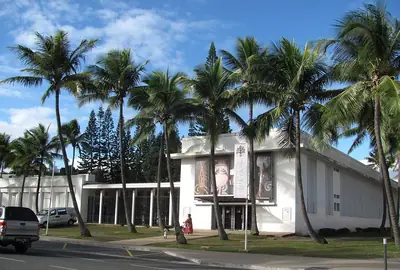
The New Caledonia Museum stands in Nouméa’s Quartier Latin and explores the cultural heritage of the French overseas territory. Its collections focus on New Caledonian society, including the history, diversity and artistic expression of the Kanak people within their Oceanian environment.
For travellers interested in Kanak culture and the wider history of New Caledonia, the museum provides essential context for the city and its surroundings. It also helps place Nouméa’s French and Pacific influences within a broader cultural story.
Théâtre de l’île
The Théâtre de l’île is the most important theater in Nouméa and in New Caledonia. It is located in the Nouville quarter, inside a nineteenth-century building that originally formed part of the old penal colony.
The theater therefore combines cultural life with the history of the former penal-colony settlement. Visiting the building offers a chance to see how one of Nouméa’s historic structures has been given a new role.
Église du Bon Pasteur
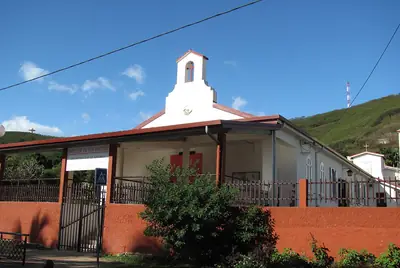
The Église du Bon Pasteur is a church in Nouméa and a quiet religious landmark within the city. Its understated presence makes it a worthwhile stop when exploring the surrounding area on foot.
Église du Vœu
The Église du Vœu is another Catholic church in Nouméa. Together with the cathedral and the city’s Protestant churches, it reflects the range of religious buildings that form part of the capital’s historic character.
Église Saint-Jean-Baptiste de Nouméa
The Église Saint-Jean-Baptiste de Nouméa is a church in the capital of New Caledonia. It adds another point of interest to a walk through the city’s religious and historic landmarks.
Nouméa’s Many Histories
Nouméa’s story extends beyond its churches and public squares. Kanak communities lived throughout the region long before European settlement, and Kanak heritage remains central to New Caledonia’s identity.
The city also developed through French colonial history and the penal-colony era. Nouméa was established as a settlement in 1854 under the name Port-de-France and took the name Nouméa in 1866. The former penal colony influenced the construction of early public buildings, including the nineteenth-century structure now occupied by the Théâtre de l’île.
Nickel mining played a major role in the city’s growth, helping Nouméa become an important economic and maritime hub. Its harbor also connects the capital to the Pacific and remains an important part of its identity. During World War II, Nouméa served as a major Allied base, giving the city a strategic military role in the Pacific.
Exploring New Caledonia through Nouméa means encountering these different layers together: Kanak culture, French settlement, religious heritage, penal-colony history, nickel mining and wartime history.
Explore Nouméa with Neywo
Neywo’s Nouméa self-guided walking tour, “Nouméa: Point Zero of New Caledonia,” covers 1.31 km in about 39 minutes and includes 4 narrated stops: the Vieux Temple de Nouméa, Place des Cocotiers, Nouméa Cathedral and the New Caledonia Museum.
Download Neywo and explore Nouméa with its free audio guide. The app tells the story of each place as you reach it, at your own pace, with no group and no schedule. The narration is available in 11 languages, and Nouméa currently has 1 walking tour with 4 stops.
Places with an audio guide in Nouméa
7 places in Nouméa with a Neywo audio guide. Each one starts telling its story as you reach it.
Self-guided tours in Nouméa
1 tour in Nouméa, free in the Neywo app. Each stop tells its story as you reach it.
- Walk
Nouméa: Point Zero of New Caledonia
A short stroll through the colonial heart of Nouméa. Start at the old Protestant temple under Semaphore Hill, cross the palm-lined Place des Cocotiers where every road distance in New Caledonia begins, then visit the cathedral and the museum that tells the Kanak story.
Vieux temple de Nouméa · Place des Cocotiers · Nouméa Cathedral · New Caledonia Museum
Open this tour: Nouméa: Point Zero of New Caledonia
Walk Nouméa with Neywo
Neywo turns Nouméa into a self-guided audio tour. Stories arrive as you reach the place they belong to, and the route reshapes when you wander off it.

