Things to Do in Tokyo, Japan: Walking Guide
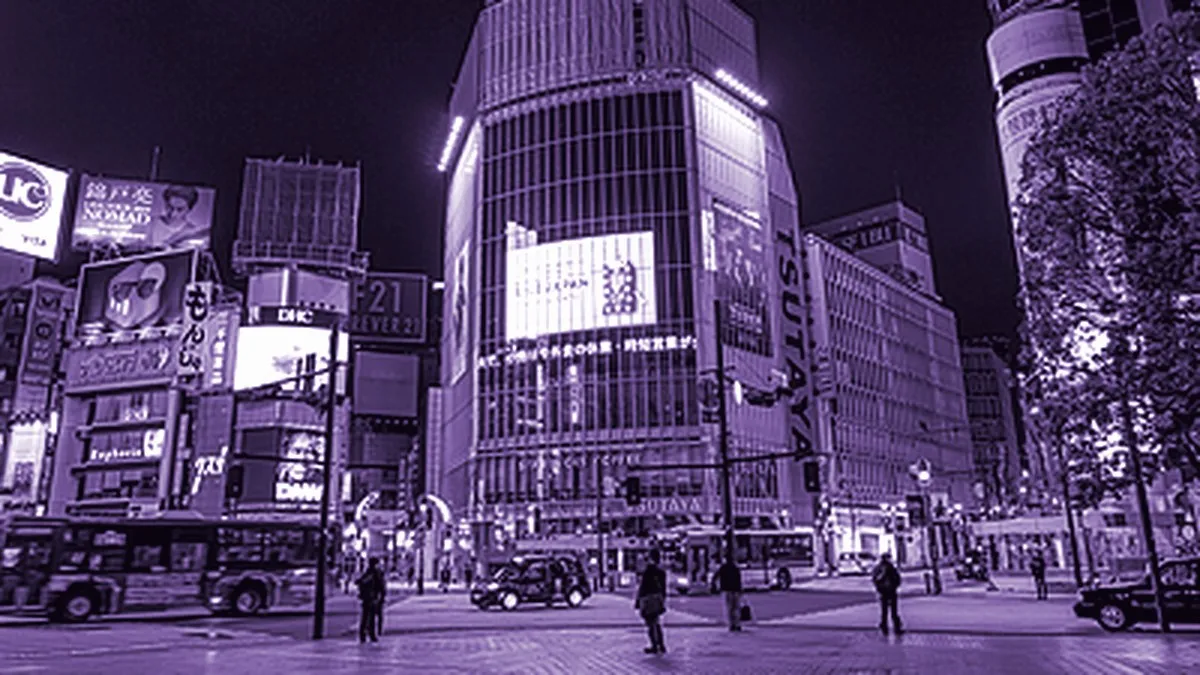
Things to Do in Tokyo: Historic Sites, Urban Districts, and Hidden Landmarks
Looking for things to do in Tokyo? Japan’s capital brings together Shinto shrines, universities, churches, bridges, rivers, sporting venues, entertainment districts, and spaces devoted to anime and Islamic culture. Neywo has a free audio guide for Tokyo with 956 narrated places, so you can discover the city’s stories as you explore.
Tokyo is too varied to experience as a single neighborhood. Its landmarks range from the historic waterways of central Tokyo to the lively streets of Shinjuku, while places such as Tokyo Mosque and Saint Ignatius Church reveal the city’s religious and cultural diversity. For more context, you can also explore our pages on Tokyo and Japan.
What to see in Tokyo
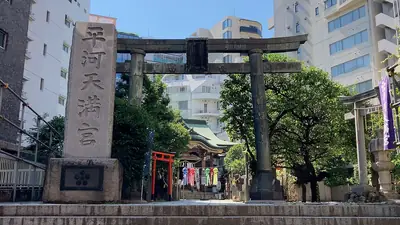
Hirakawa Tenmangu
In Tokyo’s Hirakawachō district, Hirakawa Tenmangu is a Shinto shrine closely connected to its neighborhood. It offers a quieter cultural landmark amid the capital’s urban surroundings and is worth noticing while exploring the area.
Keio University
Keio University is one of Japan’s private universities and has a long history in Tokyo’s Minato district. Its story began in 1858, when it was established in Edo as a school for Western studies. It became a university in 1920 and is now known as a modern research university.
Saint Ignatius Church
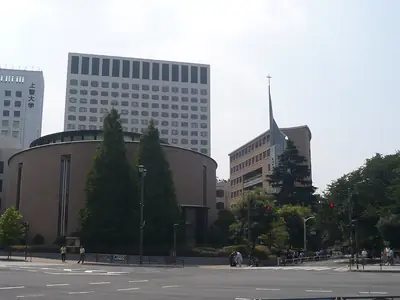
Beside Sophia University near JR Yotsuya Station, Saint Ignatius Church—also called Kōjimachi Catholic Church—belongs to Tokyo’s Kōjimachi district and is entrusted to the Jesuits.
The church also reflects the city’s wartime history. An earlier building, completed around 1933, was destroyed in the Tokyo air raids of 1945. Reconstruction began on December 2, 1947, and the rebuilt church opened in 1949. The building visible today took shape through further rebuilding between 1995 and 1999.
Meiji University
Meiji University has its main base in Tokyo’s Surugadai area and traces its identity back to 1881, when three lawyers founded Meiji Law School. It became a university in April 1920. Today, the institution operates across four campuses in the Greater Tokyo Area: Surugadai, Izumi, Ikuta, and Nakano.
Ajinomoto Stadium
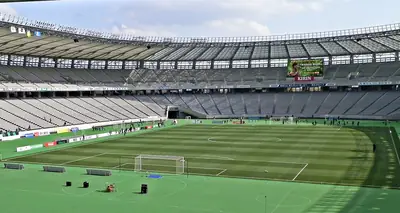
Ajinomoto Stadium, also known as Tokyo Stadium, is a multi-purpose sporting venue in Chōfu. It combines a sports field with an athletics track and is best known as the home stadium of FC Tokyo and Tokyo Verdy.
The stadium was established in March 2001 in Kantō Mura, an area redeveloped after its use by United States Forces Japan. Since March 1, 2003, it has carried the name Ajinomoto Stadium. Tokyo Stadium was the first stadium in Japan to sell its naming rights, introducing a sponsorship arrangement that was later renewed several times.
Kabukichō and Shinjuku’s entertainment streets
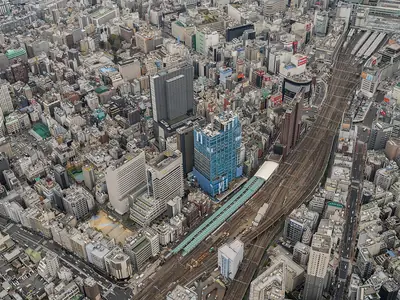
Kabukichō is one of Shinjuku’s most concentrated entertainment districts. Restaurants, cinemas, shops, nightclubs, and other venues fill an area often called the “Sleepless Town.”
Its name comes from a theatre that was planned in the late 1940s but never built: a kabuki theatre was intended for the site, yet the name Kabukichō remained. The district’s contrasts are part of its character. Large entertainment venues and cinemas stand close to the small bars of Shinjuku Golden Gai, which is part of Kabukichō.
Tokyo Anime Center
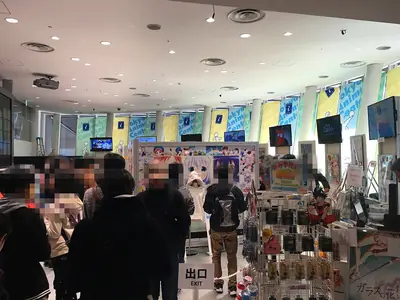
The Tokyo Anime Center is dedicated to sharing information about Japanese anime and supporting people working in the field. Its events have included live radio interviews with creators and voice actors, as well as fairs promoting anime merchandise.
The center has changed locations and management several times. It was previously located in Akihabara UDX, later moved to DNP Plaza in Ichigaya-Tamachi, and in 2021 moved to Shibuya Modi as Tokyo Anime Center in DNP PLAZA Shibuya. Its purpose has remained focused on introducing anime to residents of Japan and visitors from abroad.
Tokyo Mosque
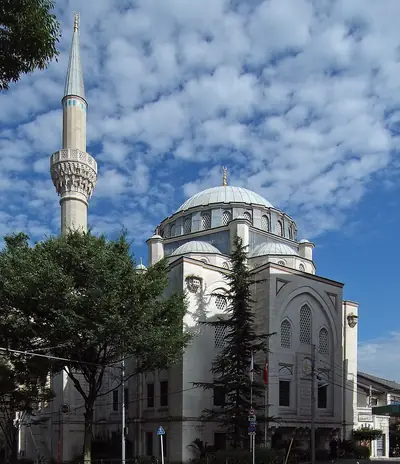
Tokyo Mosque, also known as Tokyo Camii, is a striking place of worship accompanied by a Turkish culture center. Recognized as the largest mosque in Japan, it connects Islamic religious life with Turkish culture in Tokyo.
The original building was constructed in 1938. The present mosque was completed in 2000 and designed by Hilmi Şenalp in an Ottoman style. The first floor displays Turkish works of art and includes a large hall for courses and other activities. Upstairs, the prayer hall can accommodate up to 2,000 people, with a separate prayer room for women.
Yoroi-bashi Bridge and the Nihonbashi River
Yoroi-bashi Bridge crosses the Nihonbashi River and connects Nihonbashi Koamichō, Nihonbashi Kabutochō, and Kayabachō in the Nihombashi area.
The Nihonbashi River is a narrow urban waterway running through central Tokyo. It links the Kanda River with the Sumida River near Eitai Bridge, following a route shaped by centuries of water engineering. In the fifteenth century, the former Hira River was re-channeled at the direction of Ōta Dōkan, helping form part of the outer fortifications and water-management plan for Edo Castle.
Today, the river remains a distinctive presence in the city, with park space along its southern bank, occasional boat tours, and historic bridges. The best-known is Nihonbashi Bridge, designed by Tsumaki Yorinaka in 1911.
Akasaka Palace
Akasaka Palace, known in Japanese as Geihinkan Akasaka Rikyu, is one of Japan’s state guest houses. It receives visiting heads of state and other national dignitaries.
The main building was constructed in 1909 as the Crown Prince’s residence, or Togu Gosho, in a Neo-Baroque style. It stood on the former site of a residence belonging to the Tokugawa family of Kishu. After the Second World War, the building was transferred from the Imperial Household to the Japanese government and served several purposes, including as the National Diet Library and the headquarters of the Tokyo Olympic Organizing Committee.
In 1967, the government decided to convert it into a state guest house. The work was completed in March 1974, giving the building its present official role.
Kanda River
The Kanda River is one of Tokyo’s most substantial smaller rivers and remains open to the sky along its entire course. It begins at Inokashira Pond in Inokashira Park, in Mitaka, then flows east for 24.6 kilometres before joining the Sumida River beside Ryōgoku Bridge.
The entire river lies within Tokyo, and its basin covers about 105 square kilometres. The waterway also has a place in popular culture through the song “Kanda River,” made famous by the folk group Kaguyahime.
Edobashi
Edobashi spans the Nihonbashi River and carries Tokyo Metropolitan Route 316, also known as Shōwa-dōri. During the Edo period, the bridge stood between Ōfunamachi—later known as Honfunamachi—and Honzaimokuchō.
Today, Edobashi links Nihonbashi on the south bank with Nihonbashihonchō on the north. It is a small but revealing landmark for understanding how Tokyo’s neighborhoods and names have changed across different eras.
Miyanosaka Station
Miyanosaka Station, also known simply as Miyanosaka, is a stop on Tokyo’s Setagaya Line in Setagaya. Its station number is SG07, and its Japanese name is 宮の坂. The station provides a glimpse of the local transport network beyond Tokyo’s best-known central districts.
Inokashira Park Zoo
Inokashira Park Zoo, known in Japanese as Inokashira Shizen Bunka-en, occupies one corner of Inokashira Park in Tokyo. The zoo opened on May 17, 1942, in Musashino, and its branch is located in Mitaka. It is also near the Ghibli Museum, making it part of a distinctive cultural and recreational area.
Explore Tokyo at your own pace with Neywo
Neywo’s free Tokyo audio guide includes 956 narrated places. The app tells the story of each place as you reach it, at your own pace, with no group and no schedule. Narration is available in 11 languages, making this a practical way to turn your sightseeing into a self-guided walking experience.
There are no tours listed for Tokyo, so the guide is designed around the places you choose to visit. Download Neywo and explore Tokyo one landmark at a time—from Akasaka Palace, the Nihonbashi River, and Saint Ignatius Church to Shinjuku, Tokyo Mosque, and Inokashira Park Zoo.
Places with an audio guide in Tokyo
8 places in Tokyo with a Neywo audio guide. Each one starts telling its story as you reach it.
Walk Tokyo with Neywo
Neywo turns Tokyo into a self-guided audio tour. Stories arrive as you reach the place they belong to, and the route reshapes when you wander off it.