Visiting Doha, Qatar: Top Sights on Foot
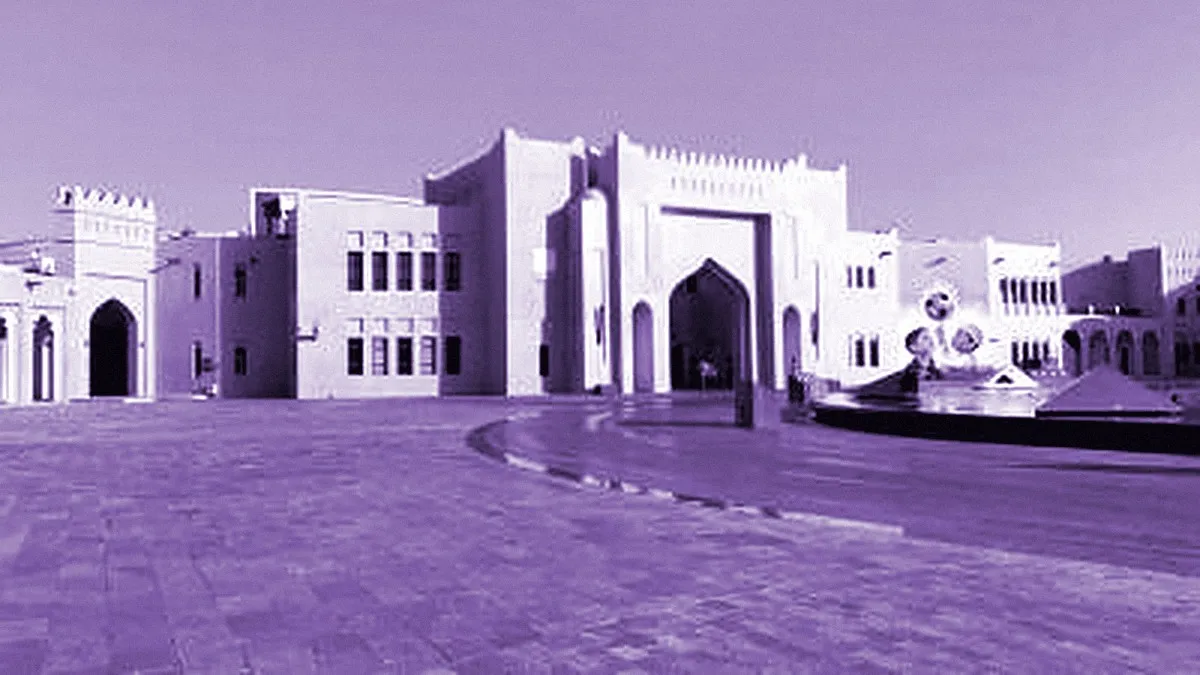
Things to Do in Doha: 16 Places to See in Qatar’s Capital
Looking for things to do in Doha? Qatar’s capital brings together traditional markets, national museums, Islamic architecture, cultural spaces and striking waterfront landmarks. Neywo has a free audio guide for Doha with 16 narrated places, so you can explore the city while hearing the story of each stop.
What to See in Doha
National Museum of Qatar
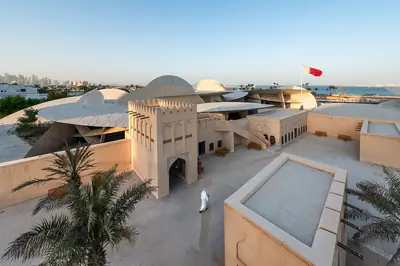
The National Museum of Qatar is one of Doha’s most distinctive modern landmarks. The current building opened to the public on 28 March 2019, replacing an earlier museum that opened in 1975. French architect Jean Nouvel designed it around the form of the desert rose crystal found in Qatar.
The museum’s interlocking discs create sheltered spaces designed to protect visitors from the desert heat. At the center of the complex stands Sheikh Abdullah bin Jassim Al Thani’s palace, preserved as an important monument of Qatar’s past. Together, the palace and the new museum create a physical connection between the country’s history and its present.
Inside, the museum presents Qatar’s story in three parts, with collections spanning centuries. One notable object is the Pearl Carpet of Baroda, an example of elaborate craftsmanship.
Al Koot Fort
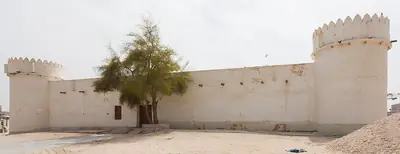
Al Koot Fort, also known as Doha Fort, is a historic military landmark in the heart of the city. Sheikh Abdulla bin Qassim Al Thani built it in 1927. It was later converted into a museum.
Its displays focus on Qatari life and traditional crafts. They include fishing equipment and boats, gypsum and wooden ornaments, handicrafts, historical photographs and paintings of daily life and craft workers. The fort offers a more intimate view of Qatar’s heritage than the city’s large modern museums.
Imam Muhammad ibn Abd al-Wahhab Mosque
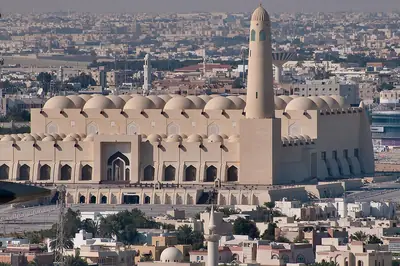
Often called the Qatar State Mosque, Imam Muhammad ibn Abd al-Wahhab Mosque is one of the country’s most important places of worship. Its design combines modern construction with an old-style Qatari character and a series of prominent domes. Descriptions of the mosque refer to either 93 or 99 domes as a symbolic feature.
The spacious complex includes separate prayer halls for men and women, as well as three libraries containing Islamic literature and resources. Its scale and restrained design make it a significant stop for anyone interested in Doha’s religious architecture.
Souq Waqif
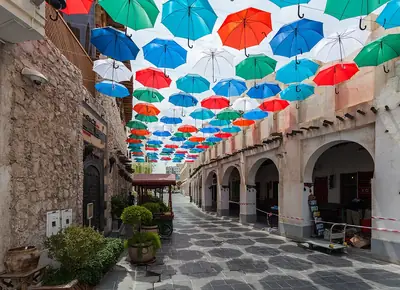
Souq Waqif, or the “Standing Market”, is one of Doha’s essential traditional sights. The lively marketplace combines heritage, shopping, food and everyday city life, with traditional Qatari architecture throughout its lanes.
The original market dates from the late 19th or early 20th century. Its 2006 renovation focused on conserving the original form. Beyond the stalls, the souq includes cultural and recreational activities, including art classes at the Standing Market Art Center. The Emiri Stables offer the chance to see horses and camels.
Souq Waqif also became a major gathering point during the 2022 FIFA World Cup, when supporters from around the world filled the market with flags and celebrations.
Sea Shell with Pearl
The Sea Shell with Pearl, also known as the Pearl Monument, is a giant open oyster holding a large pearl. The sculpture commemorates Qatar’s maritime heritage and its historical importance as a center of pearl trading.
Pearling traditionally flourished from June to September, when divers harvested pearls from the Arabian Gulf. The industry later declined as oil trading expanded and Japan’s cultured pearl market developed. The illuminated monument is particularly striking after dark.
Msheireb Museums
Msheireb Museums occupy four restored heritage houses dating from the early 20th century. Each museum explores a different part of Qatar’s past through the lives and work of the homes’ former residents.
The subjects include slavery, the oil industry, folk arts and traditions. Traditional construction techniques and materials preserve the character of the original courtyard houses, while modern additions create a unified museum complex. Skylights bring natural light into the restored interiors.
The Monument and Qatar National Theater
The Monument, also known as the Qatar National Theater, is a cultural venue along the Doha Corniche. It has hosted concerts, plays and festivals since 1986.
The theater was designed with modern facilities, including computerized lighting, translation services and an orchestra pit. It hosted the Arab Theatre Festival in 2013, when Qatar welcomed the event for the first time.
Katara Cultural Village
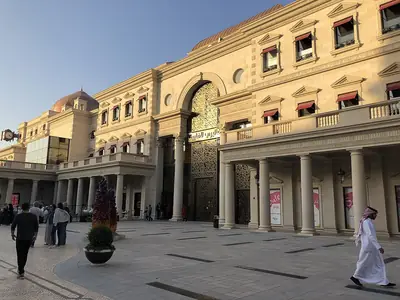
Katara Cultural Village is a cultural and commercial complex built around galleries, performance spaces, religious buildings and leisure areas. It was soft-opened in October 2010 during the Doha Tribeca Film Festival.
At its center, the Katara Amphitheater combines elements of classical Greek theater with Islamic design. Completed in 2008 and officially opened in 2011, it has seating for 5,000 and has hosted concerts, theatrical productions and other performances.
Katara Mosque
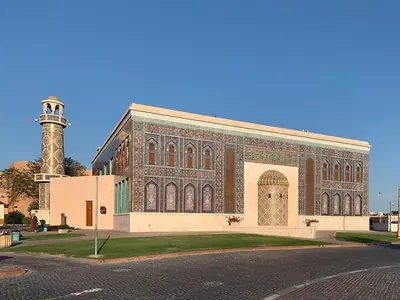
Also called the Great Katara Mosque or the Blue Mosque, Katara Mosque stands out for its turquoise and purple mosaic-tiled facade. Its minaret, dome and mihrab draw on architectural influences from mosques in different parts of the Muslim world.
The interior continues the decorative approach, with inscriptions, ornamental details and additional mosaic work. It is both a place of worship and an expression of Qatar’s interest in preserving and promoting Islamic art and culture.
The Golden Masjid
The Golden Masjid reflects the influence of Ottoman architecture. Its outer walls are covered with golden mosaic tesserae, giving the mosque a warm, shimmering appearance.
The intricate patterns and textures add to the building’s visual character, with details that evoke the colors and surfaces of the desert.
Katara Art Center and Katara Beach
Katara Art Center contributes to the cultural atmosphere of Katara Cultural Village. Nearby, Katara Beach offers water sports including water skiing, kneeboarding, parasailing and speed boat rides.
The beach is described as having calm waters and favorable conditions for these activities, making it a place to combine cultural visits with time on the coast.
OliOli Doha Children’s Museum
OliOli Doha Children’s Museum opened in October 2021 and is designed around learning through play. Its more than 45 interactive exhibits cover science, technology, art and culture.
Children can build robots, compose music and experiment with hands-on installations. The museum also includes an exhibit dedicated to the FIFA World Cup, connecting play and learning with one of Qatar’s most important international sporting events.
Museum of Illusions Doha
The Museum of Illusions Doha offers more than 80 visual and educational exhibits. Holograms, stereograms, perspective-changing rooms and immersive installations challenge visitors’ perception.
It is a hands-on experience suited to visitors of different ages, with exhibits designed to make the viewer question what they are seeing.
City Center Mall Doha
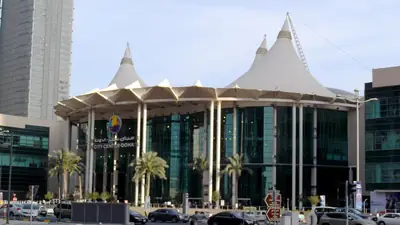
City Center Mall Doha is a major shopping and leisure destination in the West Bay area. Opened in 2001, it extends across five levels and combines retail stores with family activities and restaurants.
Its range includes fashion boutiques, electronics shops, specialty stores and gourmet restaurants, making it one of the city’s larger indoor destinations.
Exploring Doha with a Self-Guided Walking Tour
A Doha self-guided walking tour is a practical way to connect several of the city’s sights without joining a group. Neywo’s two walks focus on different parts of Doha:
- Katara Cultural Village: 0.83 km, around 35 minutes and 5 narrated stops, including Katara Mosque, Katara Cultural Village, OliOli Doha Children’s Museum, The Golden Masjid and Katara Art Center.
- The Ultimate Doha: Souq Waqif and Msheireb: 1.19 km, around 38 minutes and 4 narrated stops, including Sea Shell with Pearl, Souq Waqif, Al Koot Fort and Msheireb Museums.
Download Neywo and explore Doha at your own pace. The app tells the story of each place as you reach it, with no group and no schedule. The narration is available in 11 languages, and the two walking tours let you discover both Katara’s cultural landmarks and the historic heart around Souq Waqif and Msheireb.
Places with an audio guide in Doha
8 places in Doha with a Neywo audio guide. Each one starts telling its story as you reach it.
Self-guided tours in Doha
2 tours in Doha, free in the Neywo app. Each stop tells its story as you reach it.
- Walk
Katara Cultural Village
Eight hundred metres of purpose-built cultural quarter: two mosques, one of them entirely gold-tiled, galleries, an amphitheatre and the children's museum. Manufactured, and pleasant to walk at dusk.
Katara Mosque · Katara Cultural Village · OliOli Doha Children's Museum · The Golden Masjid · Katara Art Center
Open this tour: Katara Cultural Village - Walk
The Ultimate Doha: Souq Waqif and Msheireb
The one genuinely walkable stretch of Doha: the restored souq, the Al Koot fort beside it, the Msheireb heritage houses, and the pearl-and-oyster fountain on the Corniche.
Sea Shell with Pearl · Souq Waqif · Al Koot Fort · Msheireb Museums
Open this tour: The Ultimate Doha: Souq Waqif and Msheireb
Walk Doha with Neywo
Neywo turns Doha into a self-guided audio tour. Stories arrive as you reach the place they belong to, and the route reshapes when you wander off it.

