Things to Do in Kigali, Rwanda: Walking Guide
Things to Do in Kigali: What to See in Rwanda’s Capital
Looking for things to do in Kigali? Rwanda’s capital is a city of museums, memorials, churches, markets, and contemporary landmarks spread across rolling hills. It is an important place to learn about Rwanda’s history and culture, while its neighborhoods and restored wetlands reveal the character of everyday life. For more context before your visit, explore the Rwanda destination guide.
Neywo has a free audio guide for Kigali with 12 narrated places, available in 11 languages.
What to See in Kigali
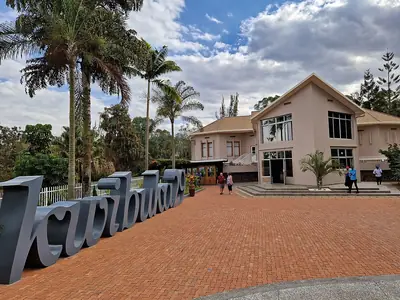
Kigali Genocide Memorial
The Kigali Genocide Memorial in Gisozi commemorates the 1994 Genocide against the Tutsi in Rwanda and preserves the memory of those who were killed. More than 250,000 people are interred here, and the site has also served bereaved families as a place to bury relatives and friends. It is both a place of remembrance and a place for learning about this permanent part of Rwanda’s history.
Campaign Against Genocide Museum
Housed in Rwanda’s Parliamentary building, formerly known as the Conseil National de Development, the Campaign Against Genocide Museum presents the history of Rwanda during the campaign against the genocide against the Tutsi. Its location connects the story with a building used for national public life.
The museum was inaugurated by Paul Kagame in 2017 and is one of eight museums managed by the Rwanda Cultural Heritage Academy. Allow time to explore its account of the campaign against the genocide.
Kandt House Museum
Kandt House Museum brings together Rwanda’s natural world and an important chapter in Kigali’s early history. The building is connected with Richard Kandt, a German administrator who selected the area as the German colonial capital of Rwanda in 1907. The place was then called Nyarugenge; in 1908, its name was changed to Kigali.
Built in 1908 as an administrative building, it is described as the only remaining historical building from that year. After renovation, it became a museum presenting Rwanda’s natural resources and history. Its exhibitions cover Rwanda before and during German colonization, the shared history of Germany and Rwanda, and Richard Kandt’s explorations and discoveries. A live reptile exhibit includes Nile crocodiles, black mambas, pythons, and cobras found in the Rwandan countryside.
Saint Michael Cathedral in Kigali
Saint Michael Cathedral is one of Kigali’s places of worship. It offers a quieter point of interest among the city’s historical and cultural sites, and is included in Neywo’s walking route through the capital.
Sainte-Famille Church
Sainte-Famille Church, also known as the Holy Family Church, stands on a hill overlooking Kigali. Built in 1913, it is one of the city’s important landmarks and one of its largest churches. The building is made entirely of red brick, with white trim highlighting the façade.
The church was the scene of killings during the genocide in April 1994. Its architectural presence and painful history give the site a solemn significance.
Rwanda Art Museum
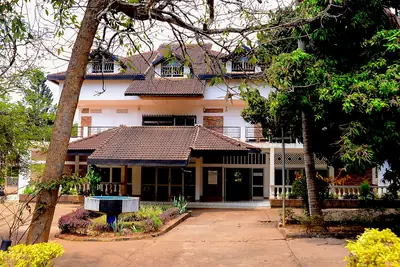
The Rwanda Art Museum occupies a former presidential residence, adding historical significance to its exhibitions. Founded in 2009, the museum was formerly known as the Presidential Palace Museum. Until 1994, the building was the residence of Juvénal Habyarimana, a former president of Rwanda.
Here, art and recent Rwandan history meet in a setting that connects the country’s cultural life with its political past.
Anti-corruption Monument of Rwanda
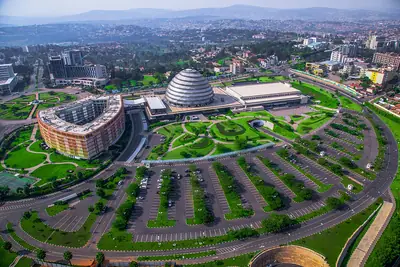
Near the Kigali Convention Center, the Anti-corruption Monument of Rwanda rises twelve meters high. Created in 2019 during the International Anti-Corruption Excellence Awards, it recognizes Rwanda’s anti-corruption policies. The monument was paid for by the government of Qatar as a tribute to Rwanda’s commitment to fighting corruption.
Umusambi Village
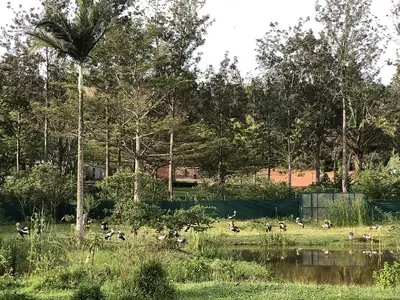
Umusambi Village is a restored marshland in Kigali that provides shelter for vulnerable grey crowned cranes rescued from the illicit pet trade. The village was founded by the Rwanda Wildlife Conservation Association under the leadership of veterinarian Olivier Nsengimana. It now protects more than 50 of these birds.
The site offers a different perspective on the capital, showing how restored urban wetlands can support wildlife conservation.
Onatracom Masjid Al Fat’h Mosque
Onatracom Masjid Al Fat’h Mosque is one of Kigali’s religious landmarks. It represents another part of the city’s varied religious landscape and provides a place to pause while exploring the capital.
St Charles Lwanga Church
St Charles Lwanga Church is located in Nyamirambo, one of Kigali’s neighborhoods. The church adds a local place of worship to a visit through this part of the city.
Kigali International Airport
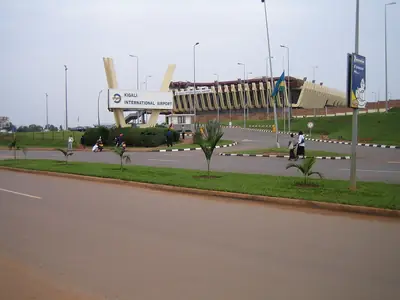
Kigali International Airport is Rwanda’s primary international airport. It is located in Kanombe, in the eastern suburb of the capital, and serves as an important arrival point for Kigali and the country. Its identifying codes are KGL and HRYR. The airport was formerly known as Grégoire Kayibanda International Airport, after Rwanda’s first elected president.
A Kigali Self-Guided Walking Tour with Neywo
Neywo’s Kigali self-guided walking tour, “Kigali: From Colonial Capital to Remembrance,” covers 4.37 km in 85 minutes and includes four narrated stops: Kandt House Museum, Saint Michael Cathedral in Kigali, Sainte-Famille Church, and Kigali Genocide Memorial.
Download the free Neywo app and explore Kigali at your own pace. The app tells the story of each place as you reach it, so you can walk without a group and without a schedule.
Places with an audio guide in Kigali
8 places in Kigali with a Neywo audio guide. Each one starts telling its story as you reach it.

Walk Kigali with Neywo
Neywo turns Kigali into a self-guided audio tour. Stories arrive as you reach the place they belong to, and the route reshapes when you wander off it.

