What to See in Byblos, Lebanon: Free Audio Guide
Things to Do in Byblos: A Self-Guided Walk Through Ancient History
Looking for things to do in Byblos? This historic coastal city in Lebanon brings together Phoenician archaeology, a Crusader castle, museums and Christian landmarks in a compact area that is well suited to exploring on foot. Its ancient remains reveal how Byblos developed across several different periods, from the Persian and Roman eras to the Crusader period and Lebanon’s more recent history.
Neywo has a free audio guide for Byblos with 5 narrated places, available in 11 languages.
What to See in Byblos
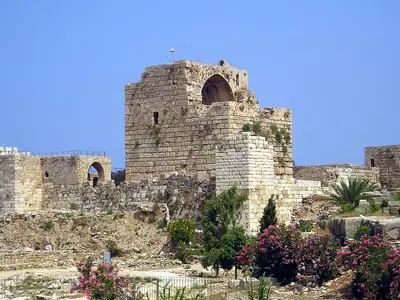
Byblos Castle and the Archaeological Site
Byblos Castle rises among the remains of the Byblos Archaeological Site, making it one of the clearest places to see the city’s layers of history together. Also known as the Castle of Gibelet or Giblet, the fortress was built by the Crusaders in the twelfth century, when Byblos was known as Gibelet.
The castle belonged to the Genoese Embriaco family, the lords of the city, and became the centre of the Lordship of Gibelet, one of the fiefs of the County of Tripoli. Its Crusader walls stand over earlier Phoenician and Roman foundations. Beside the old wall, the remains of an older Persian fortress dating from 550 to 330 BCE point to Byblos’s role in the Persian defensive system of the eastern Mediterranean.
The fortress also records the changing fortunes of the town. Saladin took control of Byblos in 1188, and the town walls were removed in 1190. The Crusaders later regained the town and rebuilt the castle’s fortifications in 1197. In 1369, the fortress helped repel an attack from Cyprus.
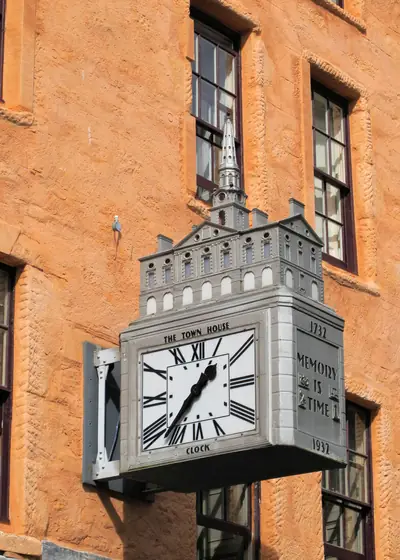
Byblos Fossil Museum
In the old souk, the Byblos Fossil Museum—also known as Memory of Time—explores the ancient marine life preserved in the rocks of the region. The museum opened in 1991 and contains fossils of sharks, eels, shrimps, squids, rays, coelacanths and flying fish.
The collection adds a natural-history perspective to a visit otherwise centred on human settlements, trade and architecture. It shows the variety of marine life that has been preserved in the area over time.
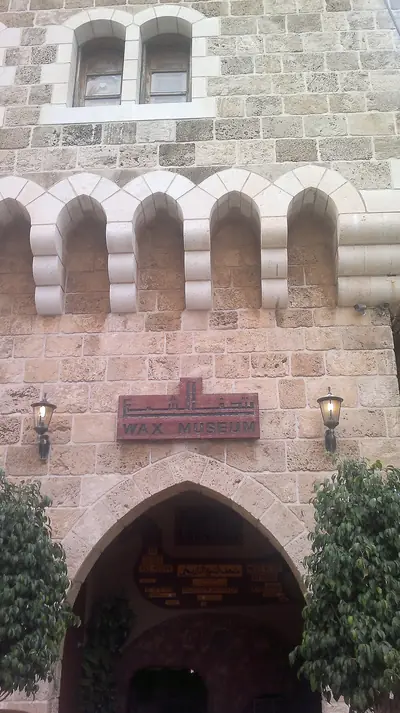
Byblos Wax Museum
The Byblos Wax Museum presents history through wax figures and carefully arranged scenes. Its displays move from the earliest human era through the Phoenician, Byzantine and Crusader periods before reaching more recent chapters of Lebanon’s history.
For anyone deciding what to see in Byblos, the museum offers a visual overview of the city and the country’s past. Instead of focusing on archaeological remains alone, it uses reconstructed scenes to present successive historical eras.
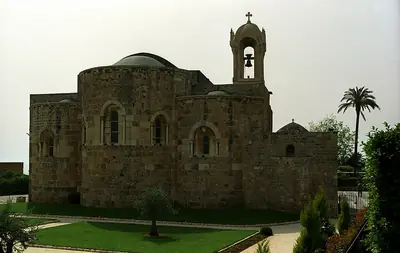
Cathedral of St. John Mark
The Cathedral of St. John Mark is one of Byblos’s important Christian landmarks. Built by the Crusaders, the church has a Romanesque form and is dedicated to Saint John Mark, regarded as Byblos’s patron saint and the founder of its first Christian community.
The building was once a bishop’s church and is now used as a parish church. Its presence adds another historical layer to the centre of Byblos, alongside the city’s Phoenician, Persian, Roman and Crusader remains.
Phoenician Byblos
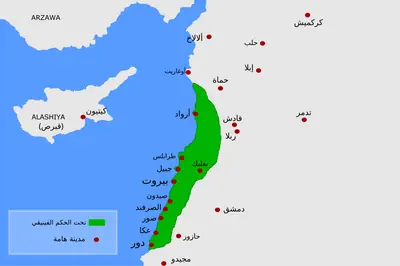
Byblos was one of the city-states associated with Phoenicia, an ancient maritime civilization rooted along the eastern Mediterranean coast. Phoenicia was not a single unified state: Greek writers used the name, while the people themselves referred to themselves as Canaanites and often identified themselves by their individual city.
For more than a thousand years, Phoenician sailors and merchants connected the Levant with Cyprus, North Africa, Iberia, Mesopotamia, Egypt and Greece. They also founded colonies and trading posts, including Carthage. Their commercial routes helped spread the Phoenician alphabet, which influenced the Greek alphabet and, through Greek, the Latin and Cyrillic scripts.
This wider context helps explain why Byblos is more than an archaeological site. The city belonged to a maritime network whose trade, writing and settlements shaped the history of the Mediterranean.
Exploring Byblos on Foot
The archaeological site, castle, old souk, museums and cathedral form a natural route through the historic centre. A walk between them reveals how different eras overlap: a Persian fortress beside older walls, a Crusader castle built over Phoenician and Roman foundations, and museums that explore both natural history and Lebanon’s historical periods.
A Byblos self-guided walking tour also makes it possible to explore the city without following a group. It is a useful stop on a wider trip through Lebanon, alongside the country’s major cities and historic sites. You can compare Byblos’s coastal heritage with Beirut or continue to the ancient monuments of Baalbek.
Explore Byblos with Neywo
Neywo’s free walking tour in Byblos, Crusaders, Fossils and Wax in Ancient Byblos, covers 0.44 km in about 33 minutes and includes 4 narrated stops:
- Byblos Castle
- Byblos Fossil Museum
- Byblos Wax Museum
- Cathedral of St. John Mark
There is 1 walking tour in Byblos. Download Neywo and use its free Byblos audio guide to explore at your own pace: the app tells the story of each place as you reach it, with no group and no schedule.
Places with an audio guide in Byblos
5 places in Byblos with a Neywo audio guide. Each one starts telling its story as you reach it.
Self-guided tours in Byblos
1 tour in Byblos, free in the Neywo app. Each stop tells its story as you reach it.
- Walk
Crusaders, Fossils and Wax in Ancient Byblos
Walk through one of the oldest continuously inhabited cities on Earth. Climb the Crusader castle built over Phoenician and Roman foundations, browse the souk's fossil museum of ancient sharks, rays and flying fish, meet Phoenician and Crusader figures in the wax museum, and finish at the Romanesque cathedral of the city's patron saint.
Byblos Castle · Byblos Fossil Museum · Byblos Wax Museum · Cathedral of St. John Mark
Open this tour: Crusaders, Fossils and Wax in Ancient Byblos
Walk Byblos with Neywo
Neywo turns Byblos into a self-guided audio tour. Stories arrive as you reach the place they belong to, and the route reshapes when you wander off it.

