Visiting Pokhara, Nepal: Top Sights on Foot
Things to do in Pokhara: what to see in Nepal’s lakeside city
The best things to do in Pokhara include looking across Phewa Lake, visiting temples and museums, and heading to Sarangkot for mountain views. With the Annapurna and Dhaulagiri ranges around it, Pokhara combines dramatic scenery with a slower lakeside atmosphere. Neywo has a free audio guide for Pokhara with 13 narrated places, available in 11 languages.
What to see in Pokhara
Phewa Lake and Tal Barahi Temple
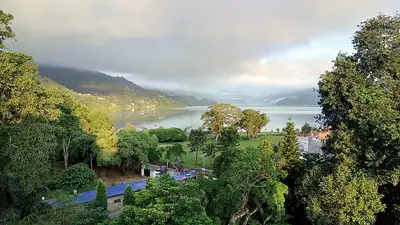
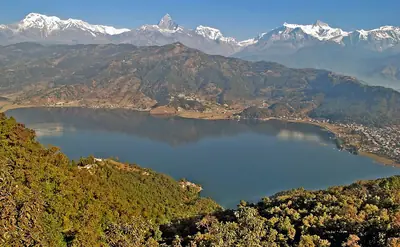
Phewa Lake, also known as Fewa Lake or Phewa Tal, lies in the southern part of the Pokhara Valley. Its calm surface is known for reflecting Mount Machhapuchhre and other peaks of the Annapurna and Dhaulagiri ranges.
A small island in the lake is home to Tal Barahi Temple, also called the Lake Temple or Barahi Temple. The temple can be reached by boat, turning the visit into a short journey across the water. From the island, the reflection of Machhapuchhre—Fishtail Mountain—can be seen across the lake. Tal Barahi remains both an important religious monument and a popular place to visit in Pokhara.
Sarangkot
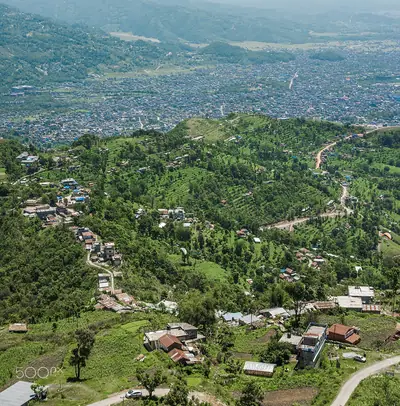
Sarangkot is one of Pokhara’s most memorable viewpoints. The hill rises about 1,600 metres above sea level and looks across the city and Phewa Lake. Sunrise is one of the main reasons visitors come: from the view tower at the top, the first light falls across the mountain panorama and the city below.
Sarangkot is also known for paragliding, with launch areas including Chandi’s Hill and Bahakot. Visitors who prefer to arrive on foot can hike from Miruwa on the Pokhara Baglung highway; the walk takes about 90 minutes. Sarangkot became part of Pokhara Metropolitan City in 2015 and is now Ward 18.
Ratna Mandir
Near Phewa Lake, Ratna Mandir offers a glimpse into Pokhara’s royal past. The former palace was built in 1956 by King Mahendra for his wife, Ratna, and is connected with Nepal’s royal family. Its complex covers 56,468 square metres, making it a substantial presence beside the lake.
Bindhyabasini Temple
Bindhyabasini Temple is one of Pokhara’s oldest and most prominent Hindu temples. Set on a small hill in Miruwa, it is dedicated to the goddess Bindhyabasini and remains an important place of worship for visitors from Nepal and beyond.
Stone staircases approach the temple from the east, north and southeast. Near the entrance, a statue of Lord Hanuman covered in sindoor stands beside the shrine of Lord Ganesha, creating a vivid welcome to the temple complex.
Bhadrakali Temple
In Kundahar, a little east of Pokhara, Bhadrakali Temple stands on a small green hill. Dedicated to the goddess Kali, the temple is associated with power and strength. It was founded in 1817, when the hill was known as Mudule Thumpko.
The climb to the shrine passes through greenery. The eastern approach has 292 steps, while the southern route has 265. The temple’s story tells how a statue of the goddess was found inside the hill after Bhadrakali instructed a priest to dig there. Since then, she has been worshipped as Bhadrakali, also known as Durga.
International Mountain Museum
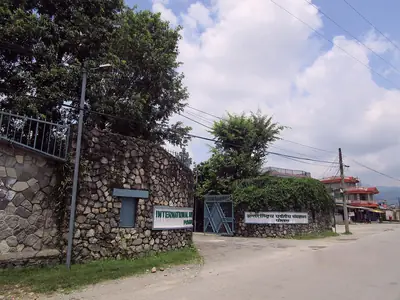
The International Mountain Museum explores the identity and activities of mountains and mountain regions. It offers a place to look, learn and reflect, adding a focused cultural and educational stop to Pokhara’s natural attractions.
Annapurna Natural History Museum
The Annapurna Natural History Museum is dedicated to the natural history of the Annapurna region. Its name reflects the museum’s focus and makes it a relevant stop for visitors interested in the landscapes and environment around Pokhara.
Prithvi Narayan Campus
In northern Pokhara, Prithvi Narayan Campus—also known as P.N. Campus—is a public, co-educational institution and one of the largest campuses affiliated with Tribhuvan University. It offers bachelor’s, master’s and doctorate programmes.
The campus is named after Prithvi Narayan Shah, described as the first king of modern Nepal. It provides a different perspective on the city, beyond its viewpoints, temples and lakeside scenery.
Pokhara and the landscapes around it
Pokhara is the capital of Gandaki Province, one of Nepal’s seven federal provinces. The province was created under Nepal’s current constitution, promulgated on September 20, 2015, and was initially known as Province No. 4. On April 27, 2023, the Provincial Assembly adopted Gandaki Province as its permanent name.
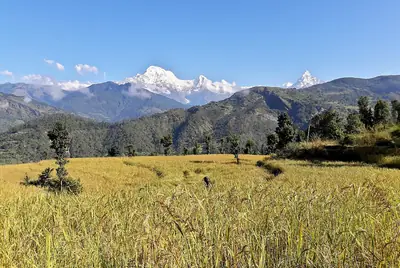
The city is also in Kaski District, where mountain and water landscapes meet. The district opens toward the Annapurna range and Machhapuchhre, also called Virgin Peak. Rivers including the Seti Gandaki, Modi and Madi flow through the area, while the Seti River gorge, Davis Falls, natural caves, and the lakes of Fewa, Begnas and Rupa are among its best-known natural attractions.
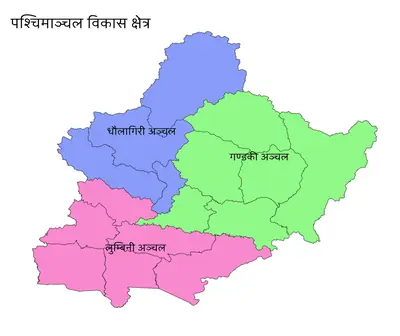
Pokhara served as the headquarters of Nepal’s former Western Development Region, one of the country’s five development regions. That region lay in west-central Nepal and was divided into the zones of Dhawalagiri, Gandaki and Lumbini.
For a wider trip through the country, you can also explore Nepal, or compare Pokhara with Tansen and Bandipur.
Explore Pokhara with Neywo
Neywo’s free audio guide for Pokhara includes 13 narrated places. The app tells the story of each place as you reach it, at your own pace, with no group and no schedule. Narration is available in 11 languages.
Download Neywo and turn your visit into a self-guided exploration of Pokhara: walk from the lake to its temples, viewpoints and museums while the stories play at the places they describe.
Places with an audio guide in Pokhara
8 places in Pokhara with a Neywo audio guide. Each one starts telling its story as you reach it.

Walk Pokhara with Neywo
Neywo turns Pokhara into a self-guided audio tour. Stories arrive as you reach the place they belong to, and the route reshapes when you wander off it.

