Visiting Olinda, Brazil: Top Sights on Foot
Things to do in Olinda
Olinda is a historic hillside city just north of Recife, famous for its well‑preserved colonial centre, vibrant arts scene and legendary Carnival. Its colorful streets, ocean views and rich cultural layers make it a rewarding stop for anyone exploring northeastern Brazil. Neywo offers a free audio guide for Olinda with 21 narrated places, letting you hear the story of each site as you walk at your own pace.
Exploring Olinda’s Historic Highlights
The city’s most compelling attractions are clustered in the historic centre, also known as Cidade Alta. Walking through this area reveals layers of architecture, religion and everyday life that have shaped Olinda for centuries.
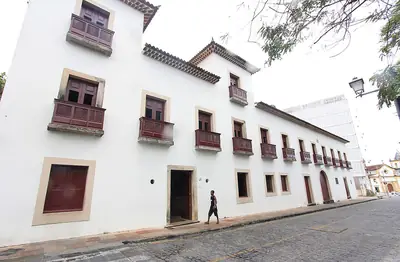
Pernambuco Museum of Sacred Art
Housed in a historic building, the museum connects directly with Olinda’s colonial character. Its setting invites you to look around and appreciate the surrounding streetscape as you explore the exhibits.
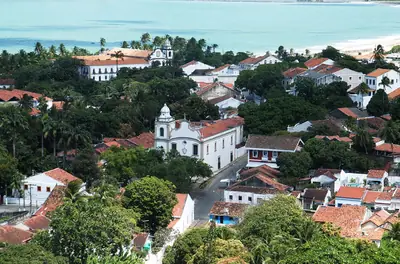
Historic Centre of Olinda (Cidade Alta)
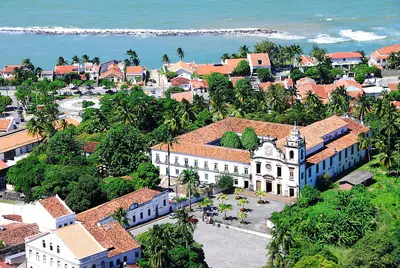
The centre preserves an irregular street pattern that follows the natural hillside, with church towers punctuating the skyline. From the 16th to early 17th century Olinda was described as a “small Lisbon” because of its extraordinary wealth, rivaling the Portuguese court. During the first Dutch invasion (1624‑1625) it served as the seat of colonial Brazil under Governor General Matias de Albuquerque. The Dutch later stripped valuable materials from Olinda’s buildings to build Recife and then burned the city. Although Olinda regained administrative status, it never recovered its former influence and ceased to be the capital of Pernambuco by the mid‑19th century.
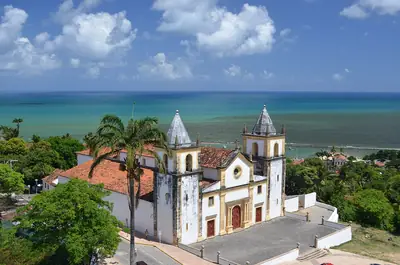
Olinda Cathedral
As the oldest church in Olinda and the largest sixteenth‑century church in Brazil, the Cathedral of the Holy Saviour of the World has been the seat of the Archdiocese of Olinda and Recife since 1676. Its origins trace back to a simple mud chapel built between 1537 and 1540, which was replaced by a more durable temple in 1584. Side chapels added later were initiated by Frei Antonio Barreiro, identified as Brazil’s third bishop.
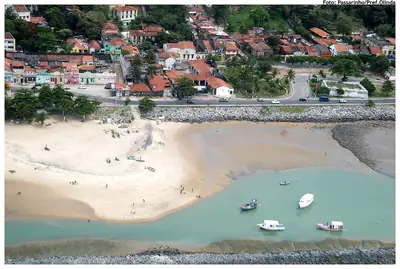
Fort of Saint Francis
Situated on São Francisco Beach, this coastal fortification is also known as Fortim de São Francisco de Olinda, Forte Montenegro or Fortim do Queijo. It offers a tangible reminder of the city’s defensive past and provides pleasant views of the Atlantic shoreline.
Basilica and Monastery of St. Benedict
Part of the UNESCO World Heritage Site, this Baroque complex began as the first Benedictine monastery in Brazil (1597‑1599). After the Dutch burned the earlier structures, the present church took shape around 1660 and was completed in 1761. Its ornate Baroque design gives the monastery and basilica a distinctive architectural presence in Olinda.
Church and Convent of Saint Teresa
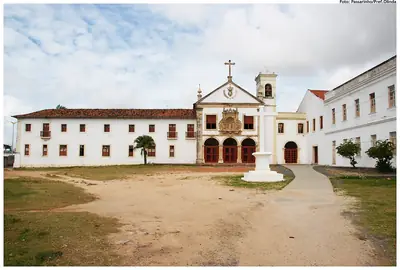
Built in 1661 by General João Fernandes Vieira to fulfil a vow after his victory over the Dutch at Montes dos Tabocas, the church was handed to the Teresian friars in 1686. The adjoining convent was later enlarged and, after the friars departed, housed an orphanage run by the Santa Casa de Misericórdia. The façade mixes dressed stone, an ornamented niche and a three‑arched galilee with Franciscan influences, while the interior displays Rococo‑style gilded altars and period tiles.
Church of Our Lady of Grace of the Jesuits’ College
Perched on Seminary Hill, this church offers an elevated viewpoint over the city. Its Jesuit college origins are reflected in the quiet, scholarly atmosphere that still surrounds the building.
Church of Our Lady of Misericórdia
Founded by the Brotherhood of Santa Casa de Misericórdia of Olinda—the first confraternity created in Brazil—this church is a key landmark in the city’s religious history. Its story is tightly bound to the charitable mission of the brotherhood that established it.
Church of Our Lady of Protection
Located at Largo do Amparo, the church dates to 1613. After suffering fire damage from the Dutch in 1644, it was rebuilt and continued to evolve until the late 18th century, when it acquired its definitive Baroque form—though it was never fully finished. Inside, the altars showcase richly gilded woodcarving that highlights its Baroque character.
Church of Our Lady of the Mount
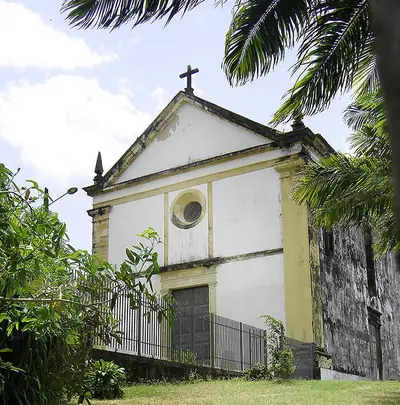
This modest hillside chapel is considered one of the oldest churches in colonial Brazil. When Duarte Coelho, Olinda’s first donee, issued the city’s charter, he preserved the hill’s lands for the church’s inhabitants, marking the territory that still belongs to the Mount’s congregation.
Church of Our Lady of the Rosary of the Black People
Known as Igreja de Nossa Senhora do Rosário dos Homens Pretos, this church holds a special place in Brazil’s religious history as the first church to belong to a brotherhood of Black people. Its presence underscores the diverse spiritual life that has long existed in Olinda.
Church of Saint John the Baptist of the Military
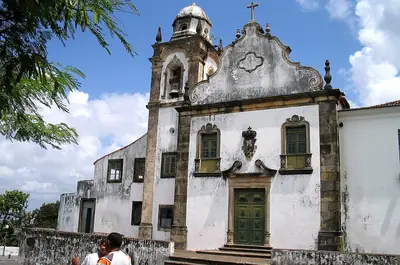
Dating from the second half of the 16th century, this small church survived the Dutch fire of 1631, likely because it lay outside the urban centre. It served as the city’s main parish church while the cathedral was being rebuilt (1656‑1669) and later received a Baroque façade renovation in the early 18th century, including a curved pediment and two extra entrances that remained until the mid‑20th century.
Church of Saint Peter
A simple yet useful point of orientation, this church helps visitors navigate the winding streets of the historic centre.
Convent of San Francisco
The oldest Franciscan convent in Brazil, construction began in 1585. Although part of the complex was destroyed by the Dutch in 1631, it was rebuilt during the 17th century. Today it forms part of Olinda’s UNESCO‑listed historic centre and is noted for its Portuguese tile panels and richly carved wooden ceilings bearing 18th‑century paintings.
Convento e Igreja de Nossa Senhora do Carmo (Igreja do Carmo de Olinda)
Recognized as the oldest temple of the Carmelite Order in the Americas—and the order’s first church on the continent—this site remains a significant religious landmark in Olinda.
Experience Olinda with Neywo
To make the most of your visit, download the Neywo app and choose from two self‑guided walking tours. The “Hilltop Baroque: Olinda’s Cathedral and Oldest Churches” route covers 3.3 km in about 102 minutes with 11 narrated stops, including the Convent of San Francisco, the Olinda Cathedral and the Pernambuco Museum of Sacred Art. The “Carmelites, Benedictines and the Puppet Museum” tour spans 3.24 km in roughly 86 minutes, guiding you through eight stops such as the Fort of Saint Francis, the Basilica and Monastery of St. Benedict and the Church and Convent of Saint Teresa. Each story plays automatically as you reach the site, allowing you to explore at your own pace—no group, no schedule. Narration is available in 11 languages, and the app’s catalogue includes all 21 narrated places in Olinda.
Ready to Explore More?
If you enjoyed learning about Olinda, consider checking out other Brazilian destinations on Neywo, such as the historic streets of Recife or the colonial charm of Ouro Preto. For broader context, the country page on Brazil provides an overview of the nation’s rich cultural tapestry. Happy travels!
Places with an audio guide in Olinda
8 places in Olinda with a Neywo audio guide. Each one starts telling its story as you reach it.
Self-guided tours in Olinda
2 tours in Olinda, free in the Neywo app. Each stop tells its story as you reach it.
- Walk
Hilltop Baroque: Olinda's Cathedral and Oldest Churches
Climb the cobbled streets of Olinda's Upper Town, a UNESCO World Heritage Site, from the oldest Franciscan convent in Brazil to the cathedral on the hilltop. Along the way you will pass the first church of a Black brotherhood, the first hospital in the country and churches burned by the Dutch and rebuilt in gold.
Convent of San Francisco · Church of Our Lady of Grace of the Jesuits’ College · Olinda Cathedral · Pernambuco Museum of Sacred Art · Igreja do Senhor do Bonfim · Church of Our Lady of Misericórdia …
Open this tour: Hilltop Baroque: Olinda's Cathedral and Oldest Churches - Walk
Carmelites, Benedictines and the Puppet Museum
A southern loop through Olinda's quieter lanes: the oldest Carmelite church in the Americas, the first Benedictine monastery in Brazil with its Baroque basilica, a small museum of Mamulengo puppets and the Mannerist church of Saint Teresa at the edge of the old town.
Fort of Saint Francis · Convento e Igreja de Nossa Senhora do Carmo · Church of Saint Peter · Mamulengo Museum · Basilica and Monastery of St. Benedict, Olinda · Igreja de São Sebastião …
Open this tour: Carmelites, Benedictines and the Puppet Museum
Walk Olinda with Neywo
Neywo turns Olinda into a self-guided audio tour. Stories arrive as you reach the place they belong to, and the route reshapes when you wander off it.

