Visiting Hachioji, Japan: Top Sights on Foot
Things to Do in Hachioji: What to See in Tokyo’s Western City
Hachioji is a city in western Tokyo known for its mountain landscapes, temples, shrines, universities and museums. From the forests of Mount Takao to collections of Western paintings and the history of the silk trade, there are plenty of things to do in Hachioji beyond central Tokyo. Neywo has a free audio guide for Hachioji with 33 narrated places, available in 11 languages.
Hachioji is part of the wider Tokyo region and offers a different perspective on the capital: quieter, greener and closely connected to the surrounding mountains. Its attractions range from natural-history museums and art collections to historic religious sites and viewpoints along old travel routes.
What to See in Hachioji
Mount Takao and the Takao 599 Museum
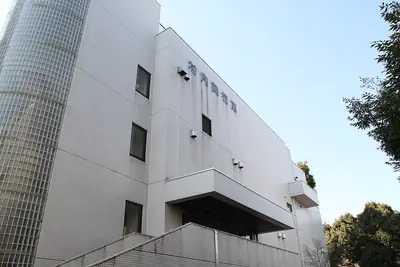
Mount Takao is one of Hachioji’s defining natural landmarks. Its wooded slopes provide a setting for walking and exploring the landscape around the city. The Takao 599 Museum, a municipal natural-history museum in the Takao area, serves as an introduction to the natural environment of Mount Takao and its surroundings.
Together, the mountain and museum offer two ways to understand the area: by experiencing its forested setting and by learning about the environment that surrounds it.
Kōraku-ji Temple and the Cherry Princess
Kōraku-ji is a quiet temple belonging to the Chizan branch of Shingon Buddhism. Its main image is Fudō Myōō, the Immovable Wisdom King, a protector traditionally shown surrounded by flames.
The temple’s most distinctive feature is Sakurahime, or the Cherry Princess, a weeping cherry tree said to be about two hundred years old. When it blooms, its branches cascade downwards, creating a striking display in the temple grounds.
Yakuoin Temple
Mount Takao’s religious character is represented by Takao-san Yakuō-in Temple. The temple is one of the important cultural stops on the mountain, adding a spiritual dimension to a visit focused otherwise on walking and nature.
Kobotoke Pass
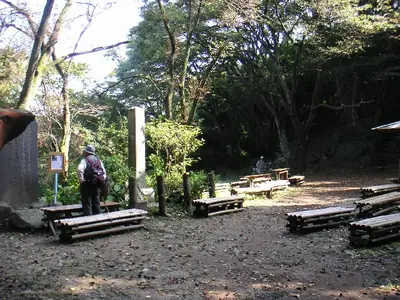
Kobotoke Pass is a mountain saddle where Tokyo meets Kanagawa. At 548 metres, it lies on the border between Hachioji and Sagamihara, near the northern foot of Mount Takao.
The pass was crossed for centuries by travellers using the Old Koshu Kaido. Near the end of the road on the Tokyo side, a stone benchmark marks 369.51 metres, providing a visible reminder of the surveying and travel history of the area.
Hachiōji Yume Art Museum
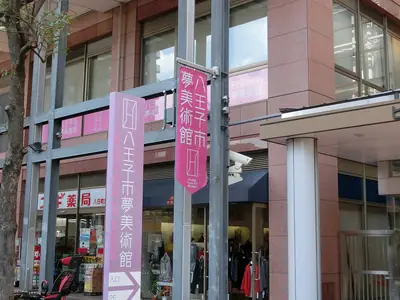
Located in the Yokkaichi-cho district, Hachiōji Yume Art Museum is a municipal art museum and one of the city’s cultural highlights. Its exhibitions provide an opportunity to explore art in a setting within Hachioji’s urban centre.
Murauchi Art Museum
Murauchi Art Museum began in November 1982, when its founder opened it to share a collection of Western paintings. The museum moved to its current building in 1995, creating space for more works.
In 2013, it adopted a new approach that brought furniture and painting together. World-renowned furniture designs are displayed alongside Western and Japanese contemporary art, including large-scale pieces. Rather than treating the two forms separately, the museum arranges them to interact with and enhance one another.
Tokyo Fuji Art Museum
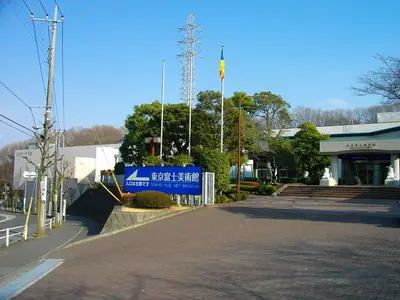
The Tokyo Fuji Art Museum brings together art and quiet contemplation in western Hachioji. Founded by Daisaku Ikeda, it opened on November 3, 1983, and added a new wing in 2008.
Its collection contains roughly three million works from around the world, making it one of the largest private art collections in Japan. The holdings cover Western paintings, Japanese art, photography, ceramics and historical documents.
Silk Road Museum
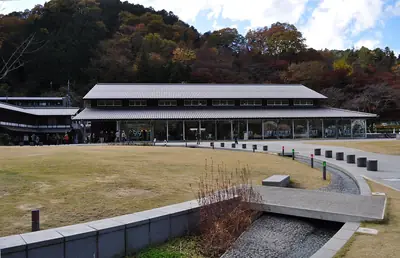
The Silk Road Museum, locally known as Kin no Michi Shiryokan, explores the history of the Silk Road through Yarimizu in Hachioji. After Japan opened its ports at the end of the Edo period, raw silk for export was transported from Hachioji through Yarimizu to Yokohama Port, in what is now Yokohama, Kanagawa.
The museum focuses on the merchants of Yarimizu and on the sericulture and silk-making industries that supported this trade. It offers a way to discover Hachioji’s connection to Japan’s silk economy and international commerce.
Kōon-ji Temple
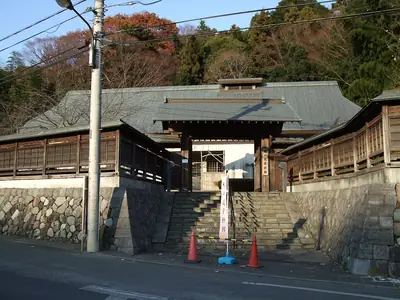
Kōon-ji is a Rinzai Zen temple belonging to the Nanzen-ji branch. Its mountain name is Tosotsu-zan, and its grounds have been designated as a Tokyo Metropolitan Historic Site because of their cultural and historical value.
The temple provides a calm setting within the city, with an atmosphere that feels removed from the surrounding urban environment.
Myōkyō-ji Temple
Myōkyō-ji is a Nichiren Buddhist temple in Hachioji’s Teramachi district. Its mountain name is Hōdenzan, and it was once connected to the lineage of Iitaka Myōfuku-ji, with dharma links to temples in Ikegami and Kagurazaka.
Its place in the Teramachi district makes it part of Hachioji’s concentration of religious sites.
Eirin-ji Temple
Eirin-ji, also known as Eirinji, is a Buddhist temple in Hachioji. It forms part of the city’s religious landscape and offers another opportunity to encounter the Buddhist traditions present across the area.
Kōjō-ji Temple
Kōjō-ji, also known as Kojoji, belongs to the Sōtō school of Buddhism. It is one of Hachioji’s temples and provides a quiet place to pause while exploring the city.
Tenmansha
Tenmansha is a Shinto shrine associated with the history of Kitano-cho. The surrounding neighbourhood takes its name from the shrine, which served for generations as the village shrine and a centre of local worship and community life.
The grounds also contain a smaller subordinate shrine dedicated to Shiogama, showing how additional enshrined deities can become part of a shrine complex over time.
Haruna Shrine
Haruna Shrine, or Haruna Jinja, is a Shinto shrine in Hachioji. It is one of the city’s religious sites and offers a simple place to pause while discovering the area beyond its museums and mountain attractions.
Tokyo Zokei University
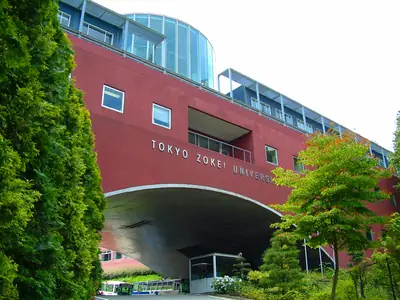
Tokyo Zokei University is a private art university founded in 1966 by Yoko Kuwasawa, the founder of Kuwasawa Design School. Its educational philosophy brings art and design together as forms of creative expression and social practice.
The campus is set in woodland in the Hachioji area. The university offers four-year art education and master’s programmes in studio arts, while a doctoral programme in Design Education and Research was added in 2016. The campus is within walking distance of Aihara Station on the JR Yokohama Line, with a university bus also running between the station and the campus.
Tokyo Metropolitan University
Tokyo Metropolitan University is a public research university established under the Tokyo Metropolitan Government. Its main campus is in Minami-Osawa, Hachioji, and it is commonly known as TMU.
The institution was established in 2005 under the name Shuto University Tokyo and adopted its current name in April 2020. Its Japanese abbreviation is Toritsu-dai.
Explore Hachioji with Neywo
If you are looking for an Hachioji self-guided walking tour, Neywo offers two walking tours in the city.
- Mount Takao: Cherry Princess to Tengu Peak covers 6.14 km in about 113 minutes and includes five narrated stops: Takao Station, Kōraku-ji Temple, Takao 599 Museum, Takao-san Yakuō-in Temple and Mount Takao.
- Hachioji City Centre: Temples, Art and Ginkgo Hall covers 5.62 km in about 110 minutes and includes six narrated stops, including Hachiōji Station, Myōkyō-ji Temple and Kōon-ji Temple.
Download Neywo and explore Hachioji at your own pace. The app tells the story of each place as you reach it, with no group and no schedule, turning a walk through the city into a flexible audio-guided experience. Hachioji is one destination within Japan, whose cities also include places such as Nara.
Places with an audio guide in Hachioji
8 places in Hachioji with a Neywo audio guide. Each one starts telling its story as you reach it.

Walk Hachioji with Neywo
Neywo turns Hachioji into a self-guided audio tour. Stories arrive as you reach the place they belong to, and the route reshapes when you wander off it.

