What to See in Aomori, Japan: Free Audio Guide
Things to do in Aomori: museums, Jōmon heritage and northern landscapes
Aomori is a city in northern Honshu where Jōmon archaeology, contemporary art, maritime history and mountain landscapes meet. The city is worth visiting for its distinctive museums and cultural sites, as well as its connection to the wider scenery and traditions of Aomori Prefecture. Neywo’s free audio guide for Aomori narrates 17 places as you explore.
What to see in Aomori
Aomori Bay Bridge
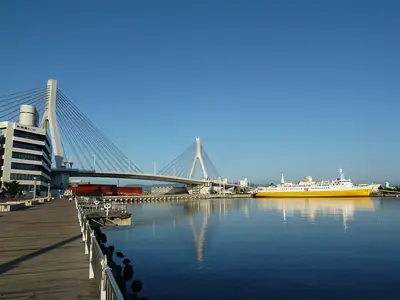
The Aomori Bay Bridge is one of the city’s most recognizable landmarks, stretching 1,219 metres across the waterfront. It is a cable-stayed bridge and the longest bridge in Aomori. Its construction helped relieve congestion caused by cargo-ship traffic at Aomori Port, giving the structure both a practical role and a striking presence on the city skyline.
The bridge is included in the Aomori waterfront walking tour offered by Neywo.
Aomori City Forestry Museum
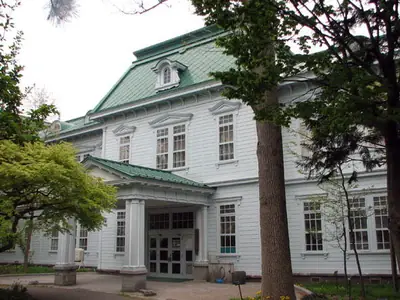
The Aomori City Forestry Museum occupies a Renaissance-style wooden building constructed in 1908 as the Forestry Agency’s Aomori Regional Office. It is a rare surviving example of Western-style wooden architecture from the Meiji period.
The building later served as a city hall annex before becoming a museum. Inside, the former Forestry Director’s office has been preserved, while the rest of the museum explores the relationship between forests and people, including forest ecology, wood science and the ways communities have depended on woodland resources. Another part of the museum focuses on mountain skiing, an appropriate subject in a region known for heavy snowfall.
The building also appeared in the 1977 film Mount Hakkoda, which depicts a tragic military training exercise in the mountains.
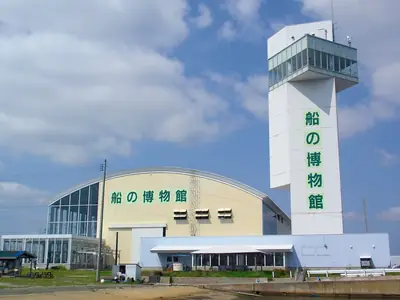
Michinoku Traditional Wooden Boat Museum
The Michinoku Traditional Wooden Boat Museum introduces the traditional wooden boats of Aomori Prefecture. It is one of the places included in Neywo’s waterfront route, alongside the Aomori City Forestry Museum and Aomori Bay Bridge.
Utō Shrine
Utō Shrine is a Shinto shrine in Aomori City’s Yasukata district. It once held the rank of a prefectural shrine, reflecting its importance in the surrounding region. Its urban setting makes it a useful stop for seeing a quieter side of the city’s religious heritage.
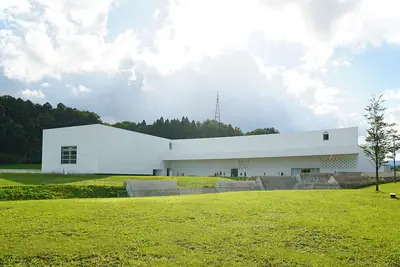
Aomori Museum of Art
Opened in 2006 beside the Sannai-Maruyama archaeological site, the Aomori Museum of Art is known for its unusual architecture. Its white geometric volumes are partially buried in the ground, creating the impression that the museum has been excavated from the same soil as the nearby Jōmon settlement.
The building’s design creates a direct relationship between ancient history and contemporary art. One of its best-known works is Yoshitomo Nara’s Aomori Dog, a large sculpture originally created for a 2005 exhibition. Its popularity led the museum to make it a permanent installation.
Jōmon Jiyūkan and the Sannai-Maruyama Site
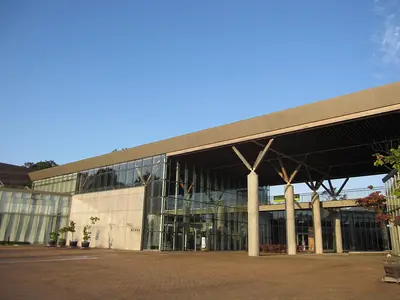
Jōmon Jiyūkan, also known as the Jomon Big Wall or Jomon Theater, is located at the Sannai-Maruyama Site. The site preserves the remains of a settlement from the Jōmon period, one of the most important archaeological windows into Aomori’s distant past.
The settlement dates back roughly 5,000 years. Reconstructed dwellings, archaeological exhibits and dogū figurines help illustrate the artistic and social traditions of the people who lived there. The site is an essential stop for anyone interested in what to see in Aomori beyond the modern city.
Komakino Site
The Komakino Site dates to the late Jōmon period, roughly between 2000 and 1500 BC. It preserves evidence of a settled hunter-gatherer community that lived in northern Japan long before rice agriculture arrived.
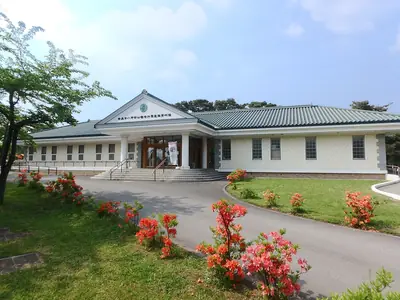
Since 2015, visitors have been able to learn more at the Komakino Site Protection Center, also called the Jōmon Learning Center. The center occupies a renovated former elementary school, giving the building a new role as an introduction to this ancient settlement.
Mt. Hakkōda Snow March Memorial Museum
The Mt. Hakkōda Snow March Memorial Museum stands in the Yukihata area of Aomori City, within the grounds of Yukihata Cemetery and beside the Army cemetery. It commemorates the Hakkōda Mountains Snow March of 1902, when a Japanese Army regiment was caught in a severe blizzard during a training exercise.
Nearly 200 soldiers died. The museum presents the events day by day through original artifacts recovered from the mountain, including personal belongings, equipment and documents. The nearby cemetery adds a quiet, solemn dimension to the visit and provides a reminder of the human cost of the disaster.
Tamoyachi Dake
Tamoyachi Dake is a 1,314-metre mountain in the Hakkōda range. The surrounding landscape is heavily forested and mountainous, with the highest nearby peak reaching 1,503 metres.
The area is also known as the Alpine Plant Overlook or Wetland Overlook, names that point to the distinctive high-altitude flora and wetland habitats found on the slopes. The scenery here is shaped mainly by forest and ridge rather than waterfalls, which are rare in this part of the range.
Aomori Prefecture and Mount Iwaki
Aomori City is the capital of Aomori Prefecture, at the northern end of Honshu and beside Mutsu Bay. The prefecture forms a gateway to the Tōhoku region, with the Pacific Ocean, the Sea of Japan and the Tsugaru Strait shaping its geography.
The area has been inhabited for at least 15,000 years. Aomori is particularly associated with Jōmon heritage, including the discovery of the world’s oldest known pottery at the Ōdai Yamamoto I Site. On a clear day, Mount Iwaki can be seen on the western horizon. The active stratovolcano rises above 1,600 metres and is known locally as Tsugaru Fuji because of its graceful cone.
For a broader introduction to the country, see the Japan destination guide. Nearby Hirosaki offers another way to explore northern Japan.
Other city landmarks
Aomori’s smaller urban sights include Nitta Inari Shrine, a Shinto shrine in the city, and Link Station Hall Aomori, a multipurpose venue that hosts concerts, theatre performances, conferences and exhibitions. The Aomori City Library occupies the sixth through ninth floors of the Auga complex in Shinmachi, providing a modern public space in the heart of the city.
The Asamushi River is another local feature, flowing through Aomori Prefecture before emptying into the Pacific Ocean.
Explore Aomori with a free audio guide
Neywo’s Aomori self-guided walking tour, Aomori Waterfront: Love Bridge, Cypress and Wooden Boats, covers 4.36 km in about 90 minutes and includes five narrated stops:
- Link Station Hall Aomori
- Utō Shrine
- Aomori Bay Bridge
- Aomori City Forestry Museum
- Michinoku Traditional Wooden Boat Museum
Download Neywo to explore Aomori with the stories of each place playing as you reach it. Go at your own pace, with no group and no schedule. The narration is available in 11 languages, making this a simple free walking tour of Aomori for discovering the waterfront independently.
Places with an audio guide in Aomori
8 places in Aomori with a Neywo audio guide. Each one starts telling its story as you reach it.

Self-guided tours in Aomori
1 tour in Aomori, free in the Neywo app. Each stop tells its story as you reach it.
- Walk
Aomori Waterfront: Love Bridge, Cypress and Wooden Boats
A relaxed stroll along Aomori's bay. Start at the city's arts hall, pass a quiet Shinto shrine, walk beneath the cable-stayed Bay Bridge and visit a Meiji-era wooden office turned forestry museum, before ending at the museum of traditional Michinoku boats.
Utō Shrine · Aomori Bay Bridge · Aomori City Forestry Museum · Michinoku Traditional Wooden Boat Museum
Open this tour: Aomori Waterfront: Love Bridge, Cypress and Wooden Boats
Walk Aomori with Neywo
Neywo turns Aomori into a self-guided audio tour. Stories arrive as you reach the place they belong to, and the route reshapes when you wander off it.

