Acapulco, Mexico: Self-Guided Walking Tour
Things to Do in Acapulco: What to See in the Pacific Port
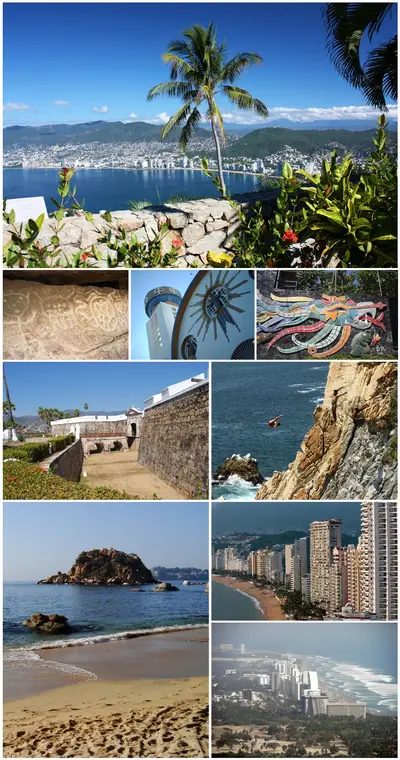
The best things to do in Acapulco combine Pacific scenery, colonial history, lively public spaces and remarkable cultural landmarks. Curving around a natural bay on Mexico’s southwest coast, Acapulco is a city of contrasts: beach resorts and working-class barrios, cliff divers and container ships, historic fortifications and modern nightlife. Neywo’s free audio guide for Acapulco covers 26 narrated places, helping you discover the city as you walk.
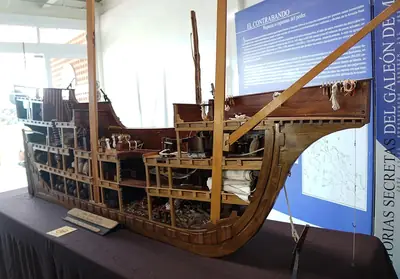
Acapulco is the municipal seat of Guerrero and one of the country’s major tourist destinations. Mountains rise to the northeast, while the Pacific reaches the city along its southwestern edge. Its history is closely tied to the sea: Acapulco served as the American endpoint of the Manila Galleon trade, the transpacific route that brought silk, porcelain, spices and other luxury goods between Asia and the Americas.
What to see in Acapulco
Plaza Álvarez
Plaza Álvarez is the historic heart of Acapulco. The square dates from the nineteenth century and was named after General Juan Álvarez, a figure in Mexico’s independence who later became president of the Republic.
Mature trees shade its fountains and benches, while craft stalls, cafés and street-food vendors bring the square into everyday life. In the mid-twentieth century, it was also a favorite meeting place for Hollywood stars visiting Acapulco. Today, its northern side is lined with cafés, including Mi Piacci Italian Café.
Our Lady of Solitude Cathedral
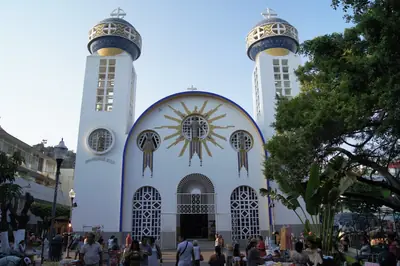
The Cathedral of Our Lady of Solitude is one of Acapulco’s most distinctive buildings. It began as a film set before becoming a church, and it was officially designated as the city’s cathedral in 1958.
Its blue-tiled dome is crowned by a star-shaped lantern, while two Byzantine-style towers frame the façade. Blue and gold mosaics continue inside, appearing around the main altar, beneath the dome and on the decorative panels. The building combines Moorish, Spanish and local influences, creating a silhouette that can initially seem closer to Mediterranean or Islamic architecture than to a typical Mexican parish.
Fort San Diego
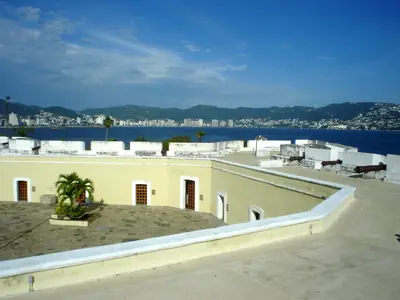
Fort San Diego has guarded Acapulco Bay for centuries. The seventeenth-century fortress was built to defend the port and protect the valuable cargo carried by the Manila Galleons. Because Acapulco was the route’s final stop, the harbor was a target for pirates and foreign fleets.
A Dutch fleet attacked the town and fort in 1615, and an earthquake severely damaged the structure in 1776. The fort was rebuilt and fully restored by 1783, giving it the pentagonal form visible today. Five bastions project from its corners, creating defensive lines designed for the age of cannons and sailing ships.
Today, Fort San Diego houses the Acapulco Historical Museum. Its 15 exhibition rooms explore the city’s layered past, with information in both Spanish and English.
Fortín Álvarez
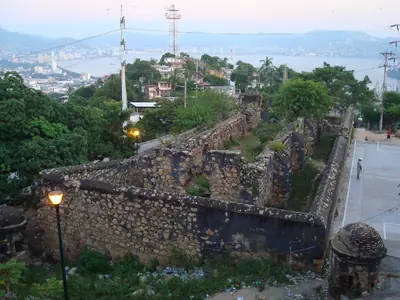
High above the bay, Fortín Álvarez was built during the colonial period as a munition storehouse and protective outpost for Fort San Diego. Its elevated position provided a broad view over the harbor, city and surrounding hills, allowing defenders to identify approaching threats.
The small quadrangular fort has walls up to 80 centimeters thick. Four corner watchtowers once stood on the structure, but only two remain. Fortín Álvarez also recalls the Second French Intervention: French naval ships bombarded Acapulco in January 1863, and the fort was one of the strongholds that survived.
La Quebrada and its cliff divers
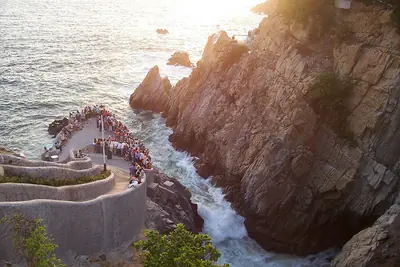
La Quebrada is one of Acapulco’s most famous sights: a narrow ocean inlet enclosed by cliffs where professional divers have performed for nearly a century. The tradition began in 1934 and became internationally known after the divers appeared in the 1963 Elvis Presley film Fun in Acapulco.
The divers leap from cliffs about 35 meters high, timing each jump with the incoming waves. The challenge is intensified by the changing depth of the water, which can range from six to 16 feet depending on the swell. The roadside viewpoint offers free viewing, while a lower platform and La Perla restaurant provide other ways to watch the performance.
Casa de los Vientos and Diego Rivera’s mural
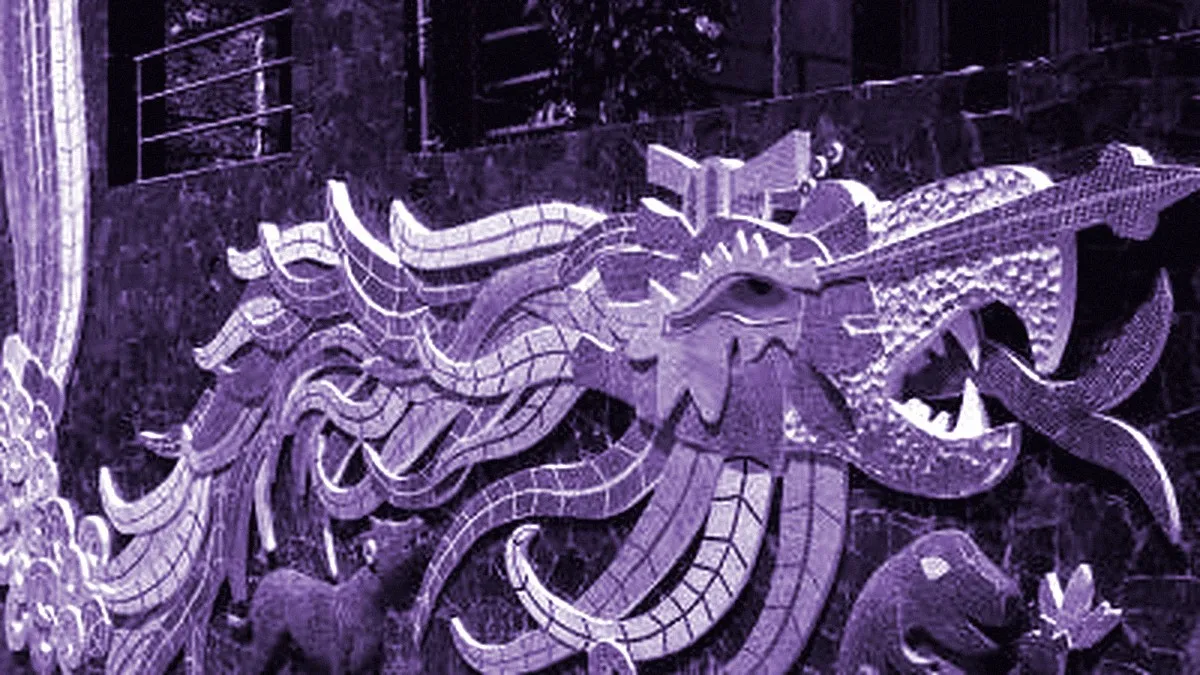
In the traditional neighborhood of La Quebrada, Casa de los Vientos carries one of Acapulco’s most memorable works of public art. Created in 1956, Diego Rivera’s mural covers the curved façade with thousands of stones, seashells and multicolored mosaics.
At its center, Quetzalcóatl—the Feathered Serpent—appears in vivid colors, representing wisdom, creativity and the renewal of life. Rivera also included a sphinx, combining Mesoamerican and Mediterranean imagery. The mural can be admired directly from the street.
Chapel of Peace
The Ecumenical Chapel of Peace stands on El Guitarrón hill, 402 meters above sea level, overlooking the entire bay. Its silhouette is visible from much of Acapulco, making it one of the city’s most recognizable landmarks.
The chapel is open to couples of all faiths for wedding ceremonies. Its design is deliberately simple, with no artificial lighting inside. Ceremonies must end by six in the evening so that natural light and sunset form part of the experience. The chapel was commissioned by Carlos Trouyet after the deaths of his wife, Milly Hauss de Trouyet, and later his sons, Jorge and Carlos Junior.
Papagayo Park
Papagayo Park is Acapulco’s largest green space and is often described as the city’s green lung. Its nearly 22 hectares include landscaped grounds, artificial lakes, shaded trails and small bridges.
Ducks, turtles and iguanas inhabit the park, while its facilities include a skating rink, sports courts and a public library. Open-air theater areas can also host cultural events and local music. It is a useful change of pace from the beachfront, offering room for a slower walk beneath the trees.
Botanical Garden of Acapulco
Set on the slopes of the Sierra Madre del Sur, the Botanical Garden of Acapulco protects a six-hectare area of deciduous subtropical jungle. It was created by members of Acapulco’s First Gardening Club together with Loyola Pacific University and opened on March 2, 2002.
The garden contains nearly 3,000 specimens representing 18 different species. Granite rocks, a descending stream, ponds and aquatic plants shape the landscape, while the garden’s elevation—between 200 and 400 meters—gives it a distinct microclimate.
Museo de las 7 Regiones
Museo de las 7 Regiones focuses on masks and the traditions surrounding them. Housed in a former traditional Mexican residence, it contains more than 500 masks made from materials including wood, leather, clay, layered paper and animal hair.
The collection includes ceremonial masks connected with pre-Hispanic rites, festival characters and pieces used in regional dances. Some come from communities where the traditions remain active, including the Dance of the Concheros, the Dance of the Little Old Men and the Devils’ Dance. Together, they show how art, identity and storytelling continue to intersect in Mexican culture.
Explore Acapulco with Neywo
Neywo offers one Acapulco walking tour: a 5.94-kilometre route lasting 116 minutes, with seven narrated stops. The walk, “Galleons, Divers and a Blue-Domed Cathedral,” includes Papagayo Park, Fort San Diego, Puerto Internacional de Acapulco Teniente José Azueta, Playa Tlacopanocha, Our Lady of Solitude Cathedral, Acapulco, La Quebrada and Fortín Álvarez.
Download Neywo and explore at your own pace. The app tells the story of each place as you reach it, with no group and no schedule. Narration is available in 11 languages, so your Acapulco self-guided walking tour can follow the city’s history and landmarks at the rhythm that suits you. After Acapulco, continue discovering Mexico or explore nearby Ixtapa-Zihuatanejo.
Places with an audio guide in Acapulco
8 places in Acapulco with a Neywo audio guide. Each one starts telling its story as you reach it.

Self-guided tours in Acapulco
1 tour in Acapulco, free in the Neywo app. Each stop tells its story as you reach it.
- Walk
Galleons, Divers and a Blue-Domed Cathedral
Start in Acapulco's green lung, then walk the old port from the five-bastioned fort that guarded the Manila galleons to a cathedral that began life as a film set. Follow the working waterfront, then end above the gulch where cliff divers have leapt for nearly a century and at a small hilltop outpost over the bay.
Papagayo Park · Fort San Diego · Puerto Internacional de Acapulco Teniente José Azueta · Playa Tlacopanocha · Our Lady of Solitude Cathedral, Acapulco · La Quebrada, Mexico …
Open this tour: Galleons, Divers and a Blue-Domed Cathedral
Walk Acapulco with Neywo
Neywo turns Acapulco into a self-guided audio tour. Stories arrive as you reach the place they belong to, and the route reshapes when you wander off it.

