Things to Do in Progreso, Mexico: Walking Guide
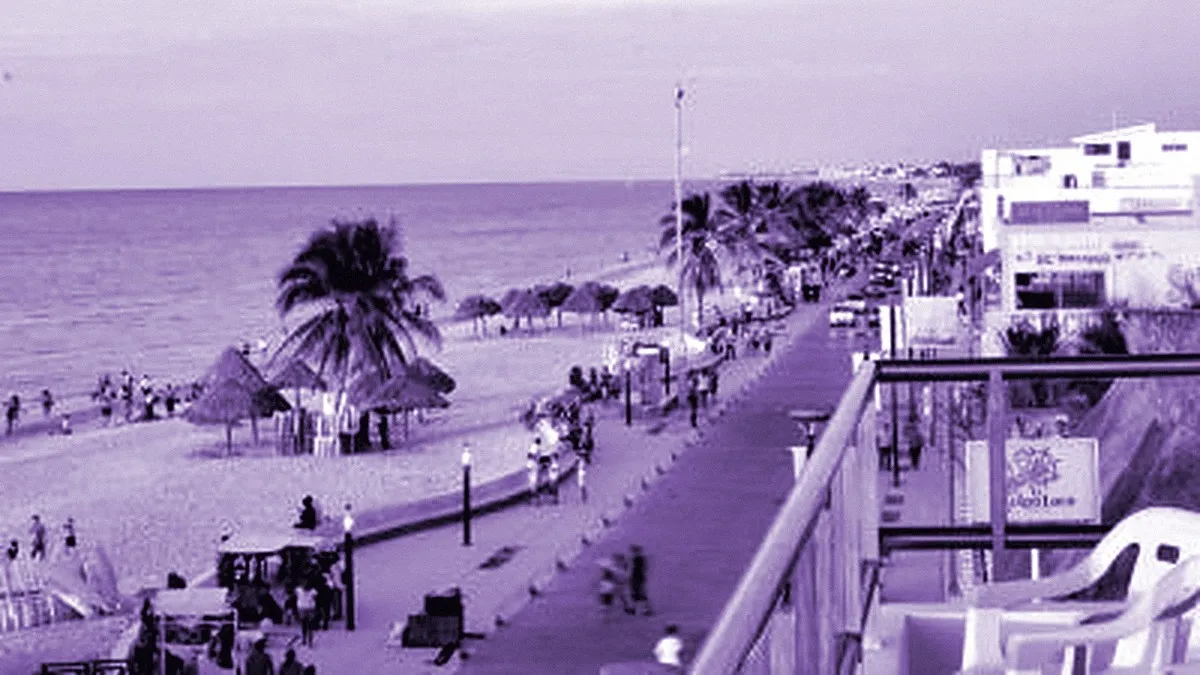
Things to Do in Progreso: Five Places to See by the Sea
Looking for things to do in Progreso? This coastal city in Yucatán combines maritime history, civic landmarks, lively public spaces, and a museum exploring the Chicxulub meteorite impact. Its waterfront also makes it easy to discover several attractions while walking through the city.
Progreso was founded in 1872 to provide Mérida with a more accessible port. Henequén exports later made it an important commercial center, linking Yucatán with markets in North America and Europe. Today, fishing, salt production, tourism, and cruise-ship arrivals are part of its identity. Neywo has a free audio guide for Progreso with five narrated places, available in 11 languages.
If you are planning a wider trip through the state, you can also explore Yucatán and nearby Mérida.
What to see in Progreso
These five places reveal different sides of the city, from the history of the Earth to Progreso’s civic life and enduring relationship with the sea.
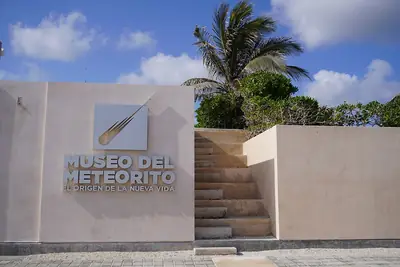
Museo del Meteorito: El origen de la nueva vida
The Museo del Meteorito, officially known as El origen de la nueva vida, explores the history of the planet through science, immersive technology, and displays about the five mass extinctions in Earth’s history.
Its central subject is the Chicxulub meteorite, which struck the Yucatán Peninsula 66 million years ago and has been identified as the cause of the dinosaurs’ extinction. The museum also connects the impact with the formation of Yucatán’s cenote system.
Opened on July 22, 2022, the museum includes themed spaces such as the Big Bang Room, the Meteorite Room, Minute Zero, and Walking with Dinosaurs. Video mapping, augmented reality, robotics, digital displays, and interactive tablets make the story accessible and vivid. Visitors can encounter animatronic versions of a T Rex, Triceratops, Spinosaurus, and Dilophosaurus, as well as fossil evidence and ancient rocks.
A digital activity lets visitors create their own dinosaur. The paleontology camp and laboratory areas add hands-on activities using replicas and other materials. The experience is designed as a guided visit lasting thirty minutes for groups of up to twenty-five people.
Callejón del Amor
Callejón del Amor is a colorful pedestrian walkway with a playful, relaxed atmosphere. Bright murals depict local fauna, while the other side has local handicrafts and food stands.
Benches beneath umbrellas and trees decorated with hanging hearts provide places to pause. A floral display made from hundreds of red flowers spells “Fall in love with Progress,” and a large heart sculpture decorated with symbols of the area creates a popular photo setting.
The alley also has interactive light bars that change color when touched. In the evening, string lights illuminate the walkway, giving it a softer atmosphere as families, friends, and couples gather.
Progreso Lighthouse
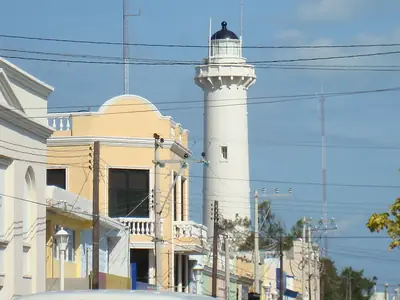
The Progreso Lighthouse is one of the city’s most recognizable maritime landmarks. It was inaugurated on May 5, 1893, when Progreso was developing as a major port for henequén, the agave fiber known as Yucatán’s “green gold.”
Built under the direction of Vicente Solís, the lighthouse helped guide ships toward the port. It stands 36 meters tall and was fitted with a 750-millimeter optical lamp whose light could reach about 33 nautical miles.
The structure was made with cement and seashells, a combination that helped it withstand severe weather, including Hurricanes Gilberto in 1988 and Isidoro in 2002. Its equipment changed over time, from petroleum vapor lighting to electric light, while radio communication equipment was later added.
A newer lighthouse was installed in 1967, but the original remains standing as a reminder of Progreso’s port history. Public access has been restricted since 2005, so the lighthouse is best appreciated as an exterior landmark.
Parque de la Independencia
Parque de la Independencia offers a look at Progreso’s civic identity. One of its important landmarks is City Hall, which has served as the administrative center of the city since its early days.
Established in the late nineteenth century, City Hall houses the offices of the municipal president and council. Its façade and structural details reflect nineteenth-century Mexican civic design, while its role connects the city’s present-day government with the period when the henequén trade was transforming Yucatán.
The park and its surroundings provide a different perspective on Progreso. Alongside the port and waterfront, they show how the city developed not only as a maritime and commercial center but also as an established civic community.
Progreso’s maritime heritage
The sea remains central to understanding Progreso. The city was created to strengthen Mérida’s connection with international markets, and its docks, customs buildings, and warehouses once handled henequén shipments bound for North America and Europe.
The Chocolate Pier, constructed in 1942, is another recognizable landmark connected with the city’s port infrastructure. As henequén exports declined, fishing, salt production, and tourism became increasingly important. The shoreline gradually evolved from a working waterfront into a destination known for its beach, seafood, and cruise-ship arrivals.
Explore Progreso with Neywo
Neywo’s free Progreso audio guide includes five narrated places. There are no separate walking, bus, or bike routes listed for this destination, so there is no tour length in kilometres or minutes to report.
The app tells the story of each place as you reach it, at your own pace, with no group and no schedule. It is a simple way to turn a walk through Progreso into a self-guided experience, with narration available in 11 languages.
Download Neywo and explore Progreso while the city’s history unfolds around you. You can also continue discovering destinations across Mexico, including Izamal.
Places with an audio guide in Progreso
2 places in Progreso with a Neywo audio guide. Each one starts telling its story as you reach it.
Walk Progreso with Neywo
Neywo turns Progreso into a self-guided audio tour. Stories arrive as you reach the place they belong to, and the route reshapes when you wander off it.

