What to See in Mérida, Mexico: Free Audio Guide
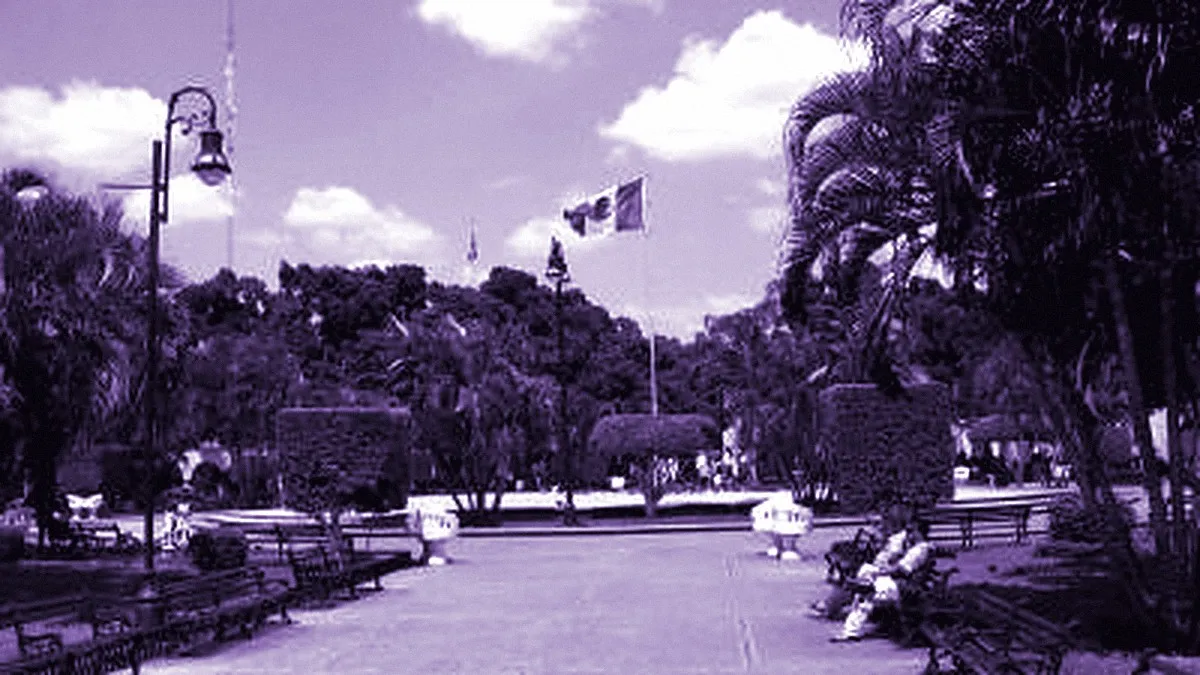
Things to do in Mérida: museums, monuments and Yucatecan culture
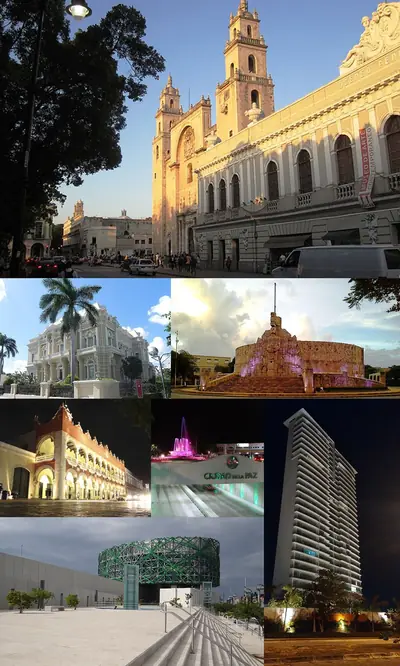
The best things to do in Mérida include exploring the historic centre, visiting museums about Maya heritage and Yucatecan music, and walking along Paseo de Montejo. Founded in 1542 over the Maya settlement of T’Hó, Mérida combines colonial architecture with the living cultural influences of Maya, Spanish, African, French and Lebanese communities. Neywo has a free audio guide for Mérida with 20 narrated places, so you can discover the city while you walk.
Mérida is the capital and main social, cultural, educational and financial centre of Yucatán. It is often called the “White City”, a name associated with its white stone buildings and the traditional cotton clothing worn by its residents. The city has also been named American Capital of Culture twice and belongs to UNESCO’s Creative Cities Network for gastronomy and the Global Network of Learning Cities.
What to see in Mérida
The most important sights are concentrated around the historic centre and Paseo de Montejo, but Mérida’s museums also reveal the region’s natural environment, Maya history and musical traditions.
Casa de Montejo
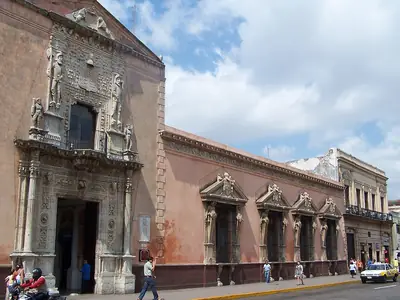
Casa de Montejo is a sixteenth-century mansion in Mérida’s historic centre. Built between 1542 and 1549 by Francisco de Montejo, his son known as “el mozo”, and his nephew Francisco de Montejo, it was intended as the residence of the Montejo family.
The house is possibly the only civilian building in Mexico constructed in the sixteenth-century Plateresco style. It has been modified and restored over the centuries, but parts of the original building remain. Today, the former family residence is a cultural space open to visitors.
Mérida Cathedral and Plaza Grande
Mérida Cathedral, or Catedral de San Ildefonso, faces Plaza Grande in the centre of the city. It is the oldest cathedral in Mexico and the first cathedral built on the continental Americas. Its construction used stones from nearby Maya ruins, another visible reminder of the layers of history beneath Mérida’s colonial buildings.
The surrounding historic district is the third largest on the American continent. Its streets bring together the cathedral, public buildings, colonial homes and the central square.
Palacio de la Música
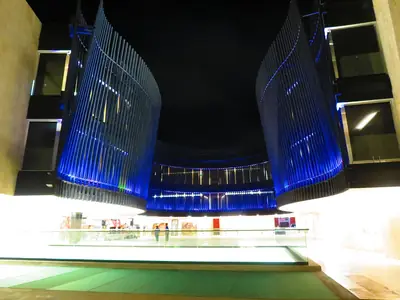
The Palacio de la Música is a modern museum in the historic centre dedicated to preserving and sharing Mexican and Indigenous music. It contains the National Center of Mexican Music, a concert hall and a virtual museum.
The building opened in 2018 and received the Obra del Año award from Revista Obras the following year, recognising its architecture and construction.
Museo de la Canción Yucateca
In the historic La Mejorada neighbourhood, the Museo de la Canción Yucateca explores the musical heritage of Yucatán. Founded in 1978, it was created by Rosario Cáceres Baqueiro, granddaughter of the Yucatecan trovador Cirilo Baqueiro Preve, known as Chan Cil.
The museum occupies a colonial-style mansion built at the end of the nineteenth century. Its thematic rooms trace the history of Yucatecan song, while a conference hall and an outdoor stage with an acoustic shell provide spaces for musical events.
Museo Regional de Antropología Palacio Cantón
The Museo Regional de Antropología Palacio Cantón is one of Mérida’s key places for learning about the ancient Maya world of Yucatán. Its permanent and temporary exhibitions present an important collection of Yucatecan Maya artefacts.
The museum occupies Palacio Cantón, a Porfirian palace built during the first decade of the twentieth century. Originally the private residence of the Cantón Rosado family, the building still displays the striking façade of its early-twentieth-century architecture.
El Pinar
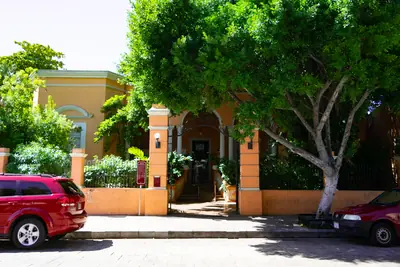
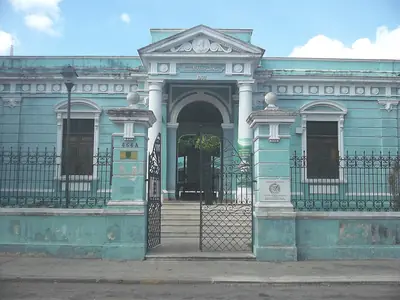
El Pinar is a stately European-style mansion built during the Porfiriato era in the early twentieth century. Its design reflects the architectural tastes of the period and makes it a notable example of the mansions that line Mérida’s historic streets.
It is one of the city’s emblematic homes and adds a different architectural layer to the route between the historic centre and Paseo de Montejo.
Paseo de Montejo
Paseo de Montejo is an elegant avenue associated with the wealth of Yucatán’s henequen industry. Its mansions reflect the prosperity and European architectural influences that shaped Mérida during the period.
That prosperity also depended heavily on exploited Maya labour. The agave fibre known as “green gold” was used to make rope, and the social tensions surrounding the henequen economy contributed to the upheaval known as the Caste War of Yucatán. Paseo de Montejo is therefore not only an architectural showcase, but also a place to consider the unequal history behind the city’s grand residences.
Gran Museo del Mundo Maya
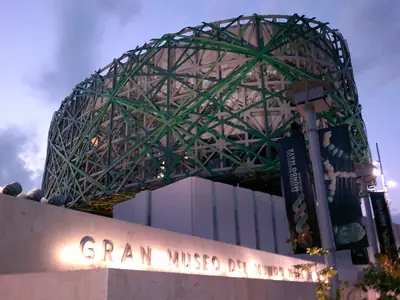
The Gran Museo del Mundo Maya presents the historical and living cultures of the Maya. It was inaugurated on 21 December 2012, a symbolic date marking the end of the Maya Long Count calendar.
The museum’s contemporary design received the 2013 Iberoamerican CIDI award for excellence in architecture, interior design, museography, lighting and construction. Its creation also generated debate about its finances and the care taken when artefacts were moved into the collection.
Korean Immigration Museum
The Korean Immigration Museum, also known as the Museo Conmemorativo Inmigración Coreana, preserves and shares the history of Korean immigration to the Yucatán Peninsula.
It adds another perspective to Mérida’s multicultural identity, alongside the city’s Maya, Spanish, African, French, Lebanese and other influences.
Museo de Historia Natural
The Museo de Historia Natural focuses on the natural heritage of Yucatán. Its exhibitions explore the region’s distinctive flora, fauna and ecosystems, offering a complement to Mérida’s museums of history, anthropology and culture.
The museum first opened in the 1980s and has since been renovated and reopened three times to keep its displays up to date.
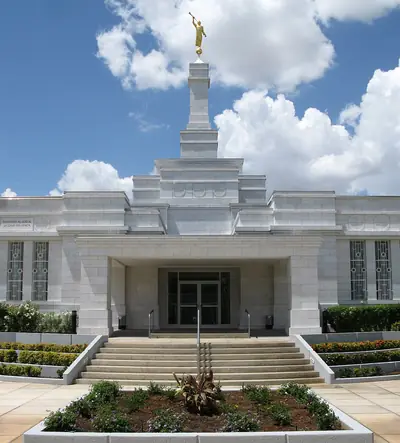
Mérida México Temple
The Mérida México Temple is a house of worship for the Latter-day Saints community in Colonia Centro. It is the ninety-second operating temple of The Church of Jesus Christ of Latter-day Saints worldwide and the eleventh temple built by the church in Mexico.
Before its construction, members from the Yucatán region had to travel west to the Mexico City Temple to attend their religious ordinances.
Teatro Daniel Ayala Pérez and Coliseo Yucatán
Mérida’s cultural scene also includes performance venues. Teatro Daniel Ayala Pérez is a theatre in the city, while Coliseo Yucatán is a multi-use auditorium for concerts, shows and large gatherings. Coliseo Yucatán opened on 8 February 2014 with a concert by the Mexican band Maná.
Discover Mérida with a self-guided audio tour
Neywo offers three ways to explore Mérida: one walking tour, one bus route and one bike route. Each story plays as you reach the place, at your own pace, with no group and no schedule. Narration is available in 11 languages.
- Walking tour: 5 km, 111 minutes and 8 narrated stops, from Casa de Montejo to Paseo de Montejo. It includes Mérida Cathedral, Teatro Peón Contreras, Palacio de la Música, Museo de la Canción Yucateca, Museo Regional de Antropología Palacio Cantón, El Pinar and Monumento a la Patria.
- Bus route: 9.8 km, 42 minutes and 6 narrated stops along Paseo de Montejo. It includes Gran Museo del Mundo Maya, the Korean migration to Mexico centennial monument, Monumento a la Patria, Museo Regional de Antropología Palacio Cantón, Palacio de la Música and Museo de la Canción Yucateca.
- Bike route: 1.4 km, 7 minutes and 2 narrated stops, connecting Museo Regional de Antropología Palacio Cantón with Monumento a la Patria.
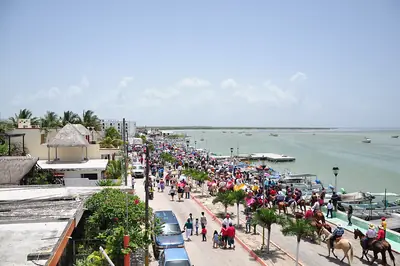
Download Neywo and explore Mérida with its free audio guide, listening to the story of each place as you arrive. For more destinations in Mexico, continue through Yucatán to Progreso or Izamal.
Places with an audio guide in Mérida
8 places in Mérida with a Neywo audio guide. Each one starts telling its story as you reach it.
Self-guided tours in Mérida
3 tours in Mérida, free in the Neywo app. Each stop tells its story as you reach it.
- Bike ride
Paseo de Montejo by Bike
Pedal Mérida's grand boulevard on its marked bike lane, from the Palacio Cantón to the hand-carved Monumento a la Patria. On Sunday mornings the avenue is also closed to cars for the Biciruta.
Museo Regional de Antropología Palacio Cantón · Monumento a la Patria
Open this tour: Paseo de Montejo by Bike - Bus ride
IE-TRAM R-903: Museums and Monuments along Paseo de Montejo
The electric IE-TRAM R-903 runs north to south along Paseo de Montejo and Calle 50. Ride it from the Gran Museo del Mundo Maya past the Monumento a la Patria and the Palacio Cantón down to the music museums of the historic centre.
Gran Museo del Mundo Maya · Korean migration to Mexico centennial monument · Monumento a la Patria · Museo Regional de Antropología Palacio Cantón · Palacio de la Música · Museo de la Canción Yucateca
Open this tour: IE-TRAM R-903: Museums and Monuments along Paseo de Montejo - Walk
From Plaza Grande to Paseo de Montejo
Start where the Montejo conquistadors built their Plateresque mansion beside the oldest cathedral on the American mainland. Pass the opera house that hosted Mexico's first feminist congress, the new music palace and the only museum devoted to Yucatecan song, then stroll north along the Parisian-style Paseo de Montejo to a Porfirian palace, a stately mansion and a monument carved entirely by hand.
Casa de Montejo · Mérida Cathedral · Teatro Peón Contreras · Palacio de la Música · Museo de la Canción Yucateca · Museo Regional de Antropología Palacio Cantón …
Open this tour: From Plaza Grande to Paseo de Montejo
Walk Mérida with Neywo
Neywo turns Mérida into a self-guided audio tour. Stories arrive as you reach the place they belong to, and the route reshapes when you wander off it.

