What to See in Cividale del Friuli, Italy: Free Audio Guide
Things to do in Cividale del Friuli: a journey through Lombard history
The best things to do in Cividale del Friuli are concentrated around its archaeological sites, historic churches and museums, where Roman, Lombard and later Venetian history meet. The town’s most important landmarks include the Oratorio di Santa Maria in Valle, the National Archaeological Museum and the Cathedral of Santa Maria Assunta. Neywo offers a free audio guide for Cividale del Friuli with 18 narrated places, available in 11 languages.
What to see in Cividale del Friuli
Oratorio di Santa Maria in Valle and the Lombard heritage
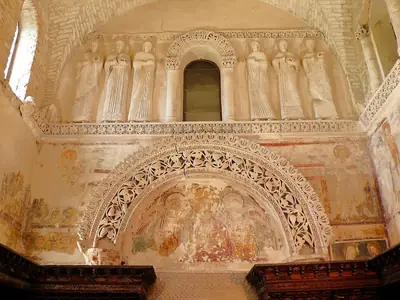
The Oratorio di Santa Maria in Valle, also known as the Tempietto Longobardo or Lombard Temple, is one of Cividale del Friuli’s most remarkable monuments. It stands within the former monastery of the Ursulines and is reached through an old wooden doorway from the cloister.
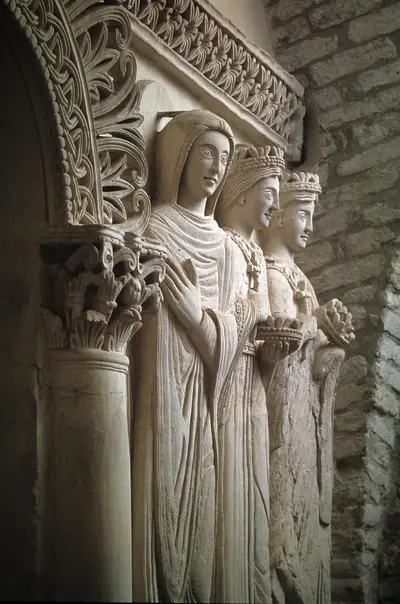
The oratory is considered the most important and best-preserved architectural testimony of the Longobard era. Its decoration combines distinctly Longobard motifs, particularly in the friezes, with a revival of classical models. The building is also part of “Longobards in Italy, Places of Power”, a UNESCO World Heritage site made up of seven places preserving the artistic and monumental legacy of the Lombards in Italy.
Cividale represents the Gastaldaga area. The complex includes the remains of the patriarchal palace of Patriarch Callistus, a basilica and the baptistery of Saint John the Baptist, as well as the Lombard temple. The friezes of the temple are especially significant: their decorative language forms a link between the art of antiquity and the Carolingian Renaissance.
Santi Pietro e Biagio
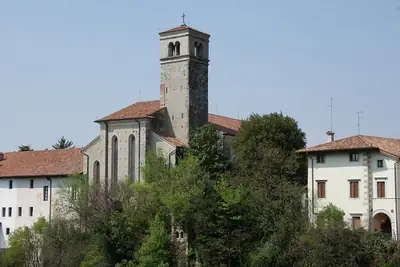
A short distance from the Tempietto Longobardo, the Church of Saints Peter and Blaise stands in the small Piazza San Biagio. Known in Italian as Chiesa dei Santi Pietro e Biagio, it adds another religious landmark to this part of Cividale’s historic center.
Cathedral of Santa Maria Assunta and its museum
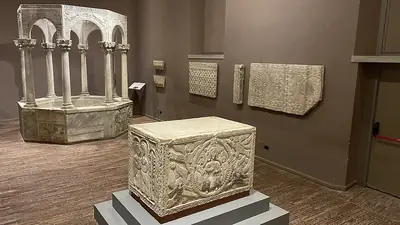
Beside the Cathedral of Santa Maria Assunta is the Christian Diocesan Museum and Treasure of the Cathedral of Cividale del Friuli. Inaugurated in 1946, the museum preserves representative examples of early medieval sculpture, with particular emphasis on works from the Lombard period.
The cathedral is the principal church of Cividale del Friuli. It is known locally in Friulian as the Domo di Sante Marie Assunte and in the local Slovene dialect as Velika cierku, meaning “Great Church”. Visiting the museum and cathedral together offers a focused introduction to the religious and artistic heritage of the city.
National Archaeological Museum of Cividale del Friuli
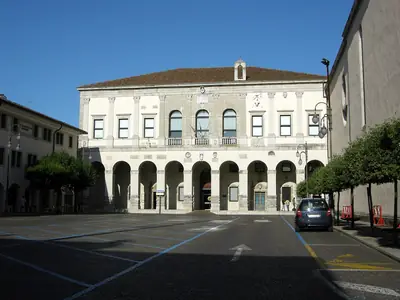
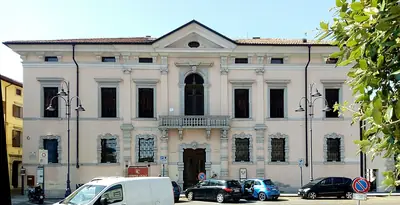
The National Archaeological Museum of Cividale del Friuli traces the town’s history from the Roman-era municipium to the period of Venetian rule. Founded in 1817, it is a long-standing center for preserving and presenting the archaeological heritage of the area.
Since 1990, the museum has been housed in the sixteenth-century Palazzo dei Provveditori Veneti. The building’s Venetian character provides the setting for collections spanning several centuries, connecting the city’s Roman past with its later history.
Palazzo De Nordis and Galleria Famiglia De Martiis
Palazzo De Nordis is another historic building to notice while exploring Cividale del Friuli. The visit also includes the Galleria Famiglia De Martiis, making this a stop for travellers interested in the city’s cultural spaces as well as its older architecture.
Church of San Francesco
The former Church of San Francesco, or Chiesa di San Francesco, is now deconsecrated. Rather than serving as a religious building, it is used as a venue for temporary exhibitions and singing events, giving the historic structure a continuing cultural role.
San Giovanni in Xenodochio
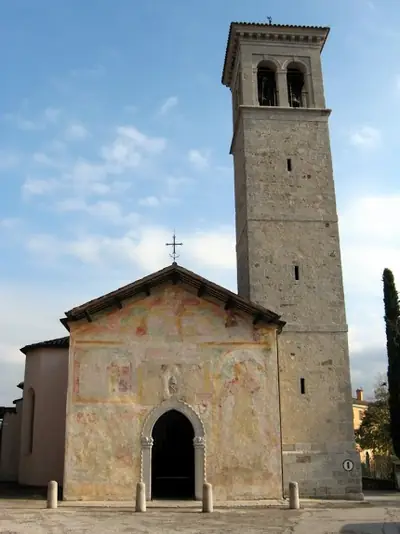
The Church of San Giovanni in Xenodochio faces the square that bears its name. It stands along the road leading out of the town center toward Sanguarzo and offers another example of Cividale’s network of historic religious buildings.
Chiesa dei Santi Silvestro e Valentino
The Church of Saints Silvester and Valentine, known in Italian as Chiesa dei Santi Silvestro e Valentino, is a quieter religious landmark in the city. It is worth including when exploring the wider set of churches connected with Cividale del Friuli.
Churches and historic places beyond the center
Several further sites show how Cividale’s history extends into its surrounding localities. In Gagliano, within Cividale del Friuli, the Church of San Floriano Martire is one of the area’s parish churches. In Rubignacco, the Church of Sant’Elena provides another quiet stop, while Grupignano is home to the Church of Saints Dorotea and Apollonia, also known as Santa Dorotea.
In Rualis, Chiesa di San Pantaleone, or Santa Maria de La Salette, stands along a route with Roman and late antique origins. The road connected Forum Iulii with Cormones, now Cormons, and continued towards the Via Aquileia and Iulia Emona. Archaeological research found the remains of a building interpreted as a small temple dedicated to Mars, late antique burials and traces associated with a rural villa. Tradition also identifies the church as the place where Saint Paulinus blessed Charlemagne’s army before its campaign against the Avars.
The former Church of San Giorgio in Vado, also in Rualis, is linked to an ancient ford across the Natisone River. Its name recalls this crossing point, and the church once stood beside a monastic complex.
Castle of Gronumbergo
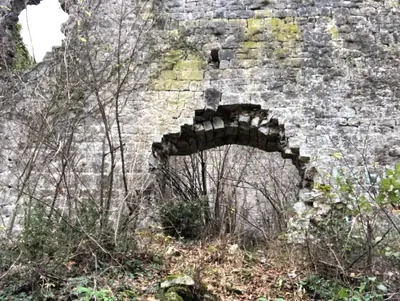
The Castle of Gronumbergo, or Castello di Gronumbergo, is another historic place to discover in Cividale del Friuli. It adds a castle to an itinerary otherwise shaped by churches, museums and early medieval monuments.
Explore Cividale with a self-guided walking tour
Neywo’s Cividale del Friuli self-guided walking tour, “The Lombard Capital of Friuli: From the Devil’s Bridge to the Tempietto,” covers 1.46 km in 74 minutes and includes 10 narrated stops. The route includes San Martino, the Church of San Francesco, Palazzo De Nordis, the Christian Diocesan Museum and Cathedral Treasure, the National Archaeological Museum, the Oratorio di Santa Maria in Valle, Santi Pietro e Biagio, Santa Maria di Corte, San Giovanni in Xenodochio and the Church of Saints Silvester and Valentine.
It works like a free walking tour Cividale del Friuli travellers can follow independently: the app tells the story of each place as you reach it, at your own pace, with no group and no schedule. Download Neywo to explore Cividale del Friuli with its free audio guide and discover the city’s Lombard, religious and archaeological heritage while you walk.
Cividale del Friuli is part of Friuli-Venezia Giulia in Italy, with Udine and Trieste among the other cities to explore in the region.
Places with an audio guide in Cividale del Friuli
8 places in Cividale del Friuli with a Neywo audio guide. Each one starts telling its story as you reach it.
Self-guided tours in Cividale del Friuli
1 tour in Cividale del Friuli, free in the Neywo app. Each stop tells its story as you reach it.
- Walk
The Lombard Capital of Friuli: From the Devil's Bridge to the Tempietto
Cross the Natisone by the Devil's Bridge and climb into Cividale, the first Lombard duchy in Italy and a UNESCO World Heritage town. Pass the cathedral and its treasure, the archaeological museum in a Venetian palace, and the mysterious 8th-century Lombard Temple hidden inside an Ursuline convent.
San Martino · Church of San Francesco · Palazzo De Nordis · Christian Diocesan Museum and Treasure of the Cathedral of Cividale del Friuli · National Archaeological Museum of Cividale del Friuli · Oratorio di Santa Maria in Valle …
Open this tour: The Lombard Capital of Friuli: From the Devil's Bridge to the Tempietto
Walk Cividale del Friuli with Neywo
Neywo turns Cividale del Friuli into a self-guided audio tour. Stories arrive as you reach the place they belong to, and the route reshapes when you wander off it.

