Gujo, Japan: Self-Guided Walking Tour
Things to Do in Gujo: Castles, Museums and Local Heritage
Gujo is a city in Gifu known for mountain landscapes, historic religious sites and museums devoted to local culture. The main things to do in Gujo include visiting Gujō Hachiman Castle, exploring museums in different parts of the city and discovering the heritage of the former Mino Province. Neywo offers a free audio guide for Gujo with 13 narrated places.
What to See in Gujo
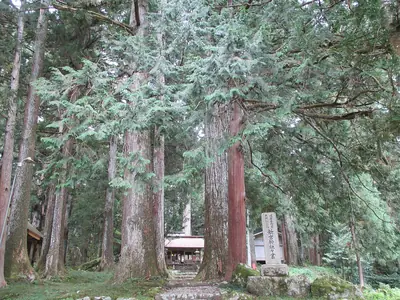
Nabi Shingū Shrine
In the Hachiman area of Gujo City, Nabi Shingū Shrine offers an opportunity to encounter Shinto traditions connected with the surrounding area. The shrine is in Gifu Prefecture and is presented as a museum destination as well as a religious site.
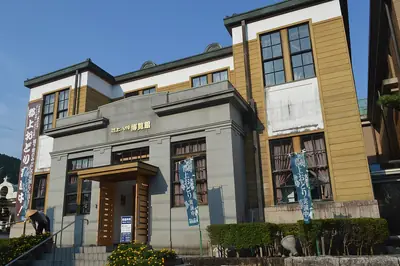
Gujo-Hachiman Hakurankan
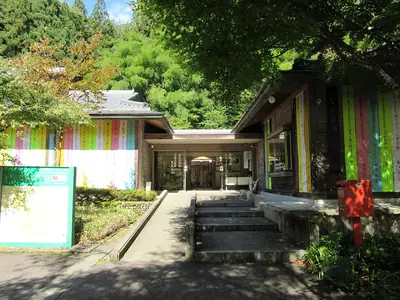
Gujo-Hachiman Hakurankan, also known by its Japanese name 郡上八幡博覧館, is a museum in Gujo-Hachiman. It is one of the places where visitors can explore the cultural heritage of this historic part of Gujo.
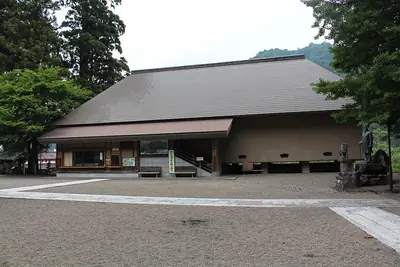
Hakusan Ryūhōden
Hakusan Ryūhōden is a museum located within the grounds of Nagataki Hakusan Shrine in Shirotori Town, Gujo City. Its setting inside the shrine precinct connects the museum closely with the religious site around it.
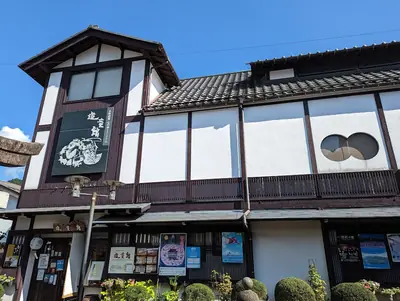
Kokoro no Mori Museum Yūdōkan
Also known simply as Yūdōkan, Kokoro no Mori Museum Yūdōkan is a private museum in Gujo City. It is also associated with the name Sample Kobo, making it a distinctive local stop for visitors exploring the city’s cultural places.
Field Museums of Kokindenju no Sato
The Field Museums of Kokindenju no Sato are an open-air museum dedicated to the culture of waka poetry. Rather than presenting its subject in a single enclosed space, the site offers a field-based setting for discovering this part of Japanese literary culture.
Meihou Rekishiminzokushiryoukan
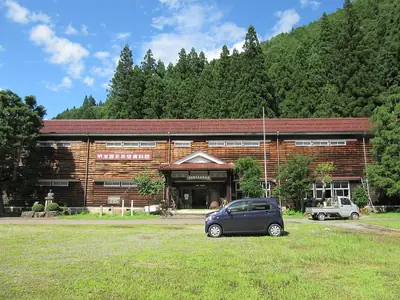
Meihou Rekishiminzokushiryoukan is devoted to the history and folk culture of the Meihou area in Gujo City. The museum presents the way local heritage has been researched, preserved and interpreted.
Hakusan Culture Museum
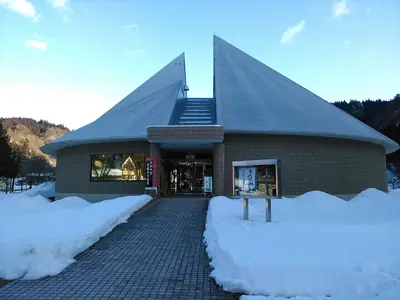
Located in Shiratori Town, Gujo City, the Hakusan Culture Museum is also known in Japanese as Hakusan Bunka Hakubutsukan. It adds another perspective on the cultural history of this part of Gifu.
Gujō Hachiman Castle
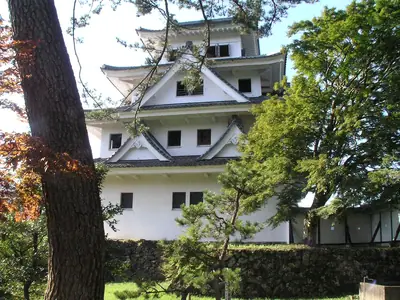
Gujō Hachiman Castle stands on Hachiman Mountain as a yamashiro, or mountain castle. Endō Morikazu built the castle in 1559, and it later came under the control of the Inoue and Kanamori families. In 1758, the Aoyama family became its lords and governed a domain valued at forty-eight thousand koku.
The castle ruins were designated a Gifu Prefecture Historic Site in 1955. The reconstructed keep is recognized as a tangible cultural property by Gujō City, and the castle has been selected as number 141 in the Continued List of Japan’s Top 100 Castles. Its elevated position gives the site a strong sense of both history and place.
Minami-furusatokan
In Minami Town, Gujo City, Minami-furusatokan is a museum presenting another local place of interest within Gifu. It can be included in a wider exploration of the city’s museums and regional heritage.
Saitō Museum
Saitō Museum, or Saitō Bijutsukan, is a private art museum in Gujō. It provides a dedicated setting for encountering art within the city and is one of the museums included in Neywo’s walking route.
Gujo’s Historical Setting
Gujo also forms part of the legacy of Mino Province, one of Japan’s old provinces. Mino corresponded broadly to what is now southern Gifu Prefecture and belonged to the Tōsandō, one of Japan’s traditional geographic regions. It was also known by the shorter names Nōshū and Jōshū.
Under the Engishiki classification system, Mino was ranked among the thirteen great provinces in importance. It was considered a near province because of its distance from the capital. This historical background helps place Gujo’s castles, shrines and museums within the wider story of central Japan.
Other Memorial Sites in Gujo
Two additional entries connect Gujo with places associated with local memory. 星宮神社 is linked in the source material with the former Japan Clay Bell Museum, also known as Nihon Dorēkan, a private museum that displayed clay bells and regional folk toys.
The same name is also connected with the Takasu Development Memorial Museum, a museum in Takasu Town, Gujo City, dedicated to the history and memory associated with Takasu.
Explore Gujo with a Self-Guided Walking Tour
Neywo’s Gujo self-guided walking tour is designed for exploring the city independently. The app has one walking tour in Gujo:
- Beneath the Mountain Castle of Gujo Hachiman: 1.42 km, 43 minutes and 4 narrated stops
The route includes Kokoro no Mori Museum Yūdōkan, Saitō Museum, Gujo-Hachiman Hakurankan and Gujō Hachiman Castle. Neywo has 13 narrated places in Gujo in total. Each story plays as you reach the place, at your own pace, with no group and no schedule. Narration is available in 11 languages.
Download Neywo and explore Gujo with an audio guide that follows your walk. It is a simple way to connect the city’s museums and castle with the stories of the places around you.
Gujo is part of Gifu, in Japan, and can also be considered alongside nearby Shirakawa and Takayama.
Places with an audio guide in Gujo
8 places in Gujo with a Neywo audio guide. Each one starts telling its story as you reach it.
Self-guided tours in Gujo
1 tour in Gujo, free in the Neywo app. Each stop tells its story as you reach it.
- Walk
Beneath the Mountain Castle of Gujo Hachiman
A short stroll through the old castle town of Gujo Hachiman. Pass three small museums on the quiet streets, then climb Hachiman Mountain to the reconstructed keep, built in 1559 and later held by the Inoue, Kanamori and Aoyama families, with views over the town and its rivers.
Kokoro no Mori Museum Yūdōkan · Saitō Museum · Gujo-Hachiman Hakurankan · Gujō Hachiman Castle
Open this tour: Beneath the Mountain Castle of Gujo Hachiman
Walk Gujo with Neywo
Neywo turns Gujo into a self-guided audio tour. Stories arrive as you reach the place they belong to, and the route reshapes when you wander off it.

