What to See in Otaru, Japan: Free Audio Guide
Things to Do in Otaru, Japan: Museums, Shrines and Coastal Views
Looking for things to do in Otaru? This historic port city in Hokkaido combines museums, religious sites, traditional crafts and coastal landmarks. Its compact collection of cultural stops makes it well suited to exploring on foot, while the surrounding parks, aquarium and lighthouse show another side of the city beyond its historic centre. Neywo has a free audio guide for Otaru, with 18 narrated places in 11 languages.
What to See in Otaru
The city’s museums and historic buildings are concentrated around several distinct areas. Together, they tell the story of Otaru’s financial history, artistic traditions, transport connections and relationship with the sea.
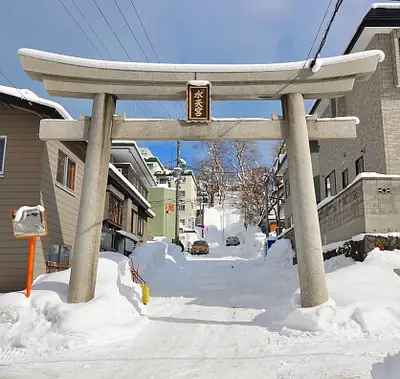
Suitengū Shrine
Suitengū Shrine stands above the city with a wide view over Otaru Port. Its setting also creates a deliberate visual connection with Otaru Park: a straight road links the shrine grounds and the park on the opposite side.
The route descending towards Sakaemachi on the sea side is known as Gaijin-zaka. Its steep stairs and sloping road make this a particularly distinctive part of the shrine’s setting.
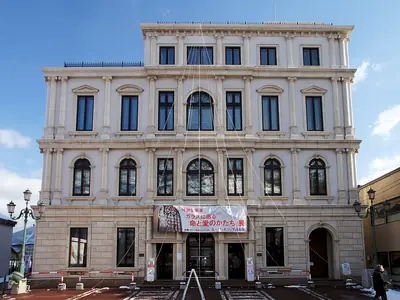
Bank of Japan Otaru Museum
The Bank of Japan Otaru Museum occupies the former Otaru branch of the Bank of Japan. The building offers an introduction to the city’s financial history and forms part of the Otaru Art Base.
It reopened in 2003 as a public information facility operated by the Bank of Japan. Otaru City has designated the building as a cultural property, and admission is free.
Kitaichi Venetian Art Museum
The Kitaichi Venetian Art Museum introduces Venetian culture through works of Venetian glass. It is one of Otaru’s cultural stops dedicated to the relationship between the city and glassmaking, and gives visitors a chance to see this tradition from an international perspective.
Nitori Museum of Art
The Nitori Museum of Art is another museum in Otaru’s cultural centre. It provides a further stop for visitors exploring the city’s museums and the Otaru Art Base.
Former Arata Trading Company
The Former Arata Trading Company is included in Otaru Art Base. Its preserved setting adds a historical dimension to the city’s artistic and commercial heritage.
Otaru Music Box Museum
The Otaru Music Box Museum, also known as Otaru Orgel-do, brings together about 25,000 music boxes. Its main building dates from 1902, while Hall Two is dedicated to antique music boxes.
The collection shows how many different forms this instrument can take. Alongside the displays, the museum also has CDs featuring music-box versions of a range of songs.
Otaru Museum
Also known as the Otaru City General Museum, the Otaru Museum covers the history and natural environment of Hokkaido, as well as transportation, railways and science. It offers a broad introduction to the region and to the ways people have explored and connected it.
The museum opened on July 14, 2007, after combining the functions of the former Otaru City Museum and the Otaru Youth Science and Technology Museum. It also uses facilities associated with the former Otaru Transportation Memorial Museum, which occupied the site of Temiya Station. The former Otaru City Museum was renamed the Canal Museum.
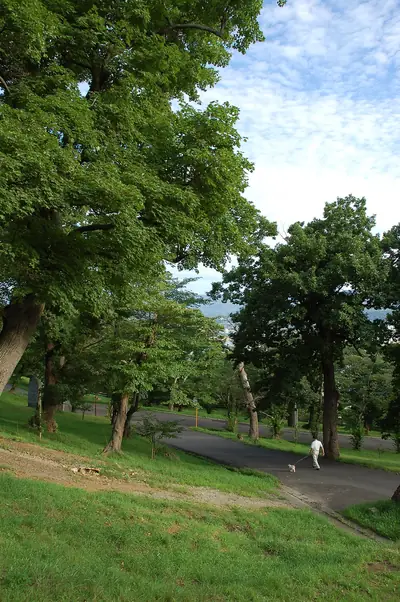
Temiya Park
Temiya Park is a public green space in Otaru and a natural complement to the nearby museum stops. It provides a quieter place to include in a walk focused on the city’s northern area.
Otaru Aquarium
Otaru Aquarium is one of the largest aquariums in Hokkaido. Its location in Otaru makes it a useful stop for exploring the city’s coastal side and extending a museum-focused visit beyond the historic centre.
Hiyoriyama Lighthouse
Hiyoriyama Lighthouse stands at Takashima Cape in Shukutsu. It is one of Hokkaido’s notable coastal landmarks and was the second lighthouse in Hokkaido to begin operating, after Nosappu Cape Lighthouse.
That place in the history of Hokkaido’s lighthouses gives the site a particular significance, in addition to its position on the cape.
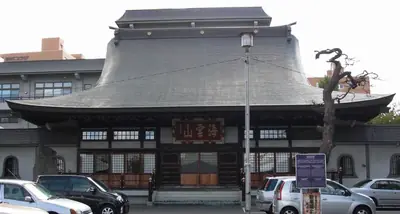
Ryūtoku-ji Temple
Ryūtoku-ji Temple, written 龍徳寺 in Japanese and pronounced Ryūtoku-ji, is a religious site in Otaru. It can be visited alongside several other temples and shrines in the city.
Honganji Otaru Betsu-in Temple
Honganji Otaru Betsu-in belongs to the Jōdo Shinshū tradition of Buddhism. Its presence adds a Buddhist site to Otaru’s varied collection of religious landmarks.
Sumiyoshi Shrine
Sumiyoshi Shrine, or Sumiyoshi Jinja, is a Shinto shrine in Otaru. Its Japanese name is 住吉神社, and it forms part of the city’s group of historic religious sites.
Toyotari Shrine
Toyotari Shrine is in Zenibako, Otaru. Within its grounds, near a memorial monument, are the damaged remains of a naval mine associated with the Russo-Japanese War.
The mine was laid by Russian forces and washed ashore around 1907. It was blown up during disposal, and the broken remains were later donated to the shrine by the person who had stored them for many years.
Kingoryū Shrine
Kingoryū Shrine, also known as Kingoryū Jinja, is in the Ranshima area of Otaru. It is associated with a dragon deity said to be the oldest in Japan and is also known as Arahabaki Shrine or Okumiya.
The area beyond the torii is normally enclosed by a fence and closed to visitors, so the shrine is best understood as a site to observe from the accessible area.
Explore Otaru with a Self-Guided Audio Tour
For an Otaru self-guided walking tour, download Neywo and choose the route that suits your visit. The app offers three walking tours in Otaru, with routes ranging from 1.65 to 4.45 km and lasting from 60 to 84 minutes.
- Otaru Art Base: Banks, Glass and Music Boxes — 1.65 km, 62 minutes and 7 narrated stops, including the Otaru City Museum of Art, Nitori Museum of Art, Bank of Japan Otaru Museum, Former Arata Trading Company, House of Western Art, Kitaichi Venetian Art Museum and Otaru Music Box Museum.
- Hilltop Shrine and Quiet Temples of Otaru — 2.56 km, 60 minutes and 4 narrated stops: Suitengū Shrine, Honganji Otaru Betsu-in Temple, Sumiyoshi Shrine and Ryūtoku-ji Temple.
- North Otaru: Railways, Aquarium and a Lighthouse on the Cape — 4.45 km, 84 minutes and 4 narrated stops: Otaru Museum, Temiya Park, Otaru Aquarium and Hiyoriyama Lighthouse.
Neywo tells the story of each place as you reach it, at your own pace, with no group and no schedule. It is a practical way to discover Otaru independently while keeping the city’s museums, shrines and coastal landmarks connected.
Download Neywo’s free Otaru audio guide and explore the city on foot. If you are continuing through northern Japan, you can also discover Sapporo, Hakodate, Biei and Asahikawa.
Places with an audio guide in Otaru
8 places in Otaru with a Neywo audio guide. Each one starts telling its story as you reach it.




Self-guided tours in Otaru
2 tours in Otaru, free in the Neywo app. Each stop tells its story as you reach it.
- Walk
Otaru Art Base: Banks, Glass and Music Boxes
Otaru was once Hokkaido's financial hub, and its old bank buildings now hold art. Walk from the city museum of art through the former Bank of Japan and the Art Base galleries to Venetian glass and finish among thousands of music boxes at the Orgel-do.
Otaru City Museum of Art · Nitori Museum of Art · Bank of Japan Otaru Museum · Former Arata Trading Company · House of Western Art · Kitaichi Venetian Art Museum …
Open this tour: Otaru Art Base: Banks, Glass and Music Boxes - Walk
Hilltop Shrine and Quiet Temples of Otaru
Climb to Suitengu Shrine for the view over Otaru Port, a cherry blossom spot with literary monuments. Then stroll south to a Jodo Shinshu temple, Sumiyoshi Shrine and the Soto Zen temple Ryutoku-ji away from the canal crowds.
Suitengū Shrine · Honganji otaru betsu-in Temple · Sumiyoshi Shrine · Ryūtoku-ji Temple
Open this tour: Hilltop Shrine and Quiet Temples of Otaru
Walk Otaru with Neywo
Neywo turns Otaru into a self-guided audio tour. Stories arrive as you reach the place they belong to, and the route reshapes when you wander off it.

