Hakone, Japan: Self-Guided Walking Tour
Things to Do in Hakone: Museums, Lake Ashi and Mountain Landscapes
Hakone is a mountain destination in Kanagawa, Japan, known for its volcanic scenery, Lake Ashi, cultural attractions and traditional temples. The best things to do in Hakone include exploring its many museums, visiting Hakone Shrine, crossing the historic Hayakawa Bridge and taking in the views from Mount Koma. Neywo has a free audio guide for Hakone with 20 narrated places, available in 11 languages.
What to See in Hakone
Hakone’s attractions are spread across a varied landscape of mountain slopes, forest and lakeshore. These are some of the most interesting places to include in a visit.
Hakone Open-Air Museum
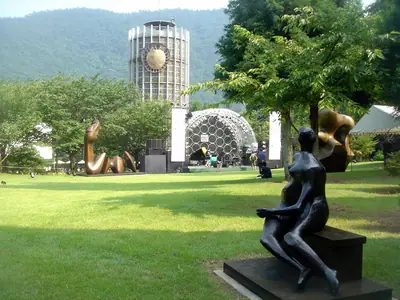
The Hakone Open-Air Museum brings sculpture together with the outdoors. Opened in 1969, it was Japan’s first open-air museum and holds more than 1,000 works, including around 120 sculptures permanently displayed across its grounds.
The setting is part of the experience: artworks appear among the landscape rather than in a series of enclosed galleries. Younger visitors can engage with outdoor interactive sculptures, while the naturally fed onsen footbath offers a place to pause.
Hakone Museum of Art
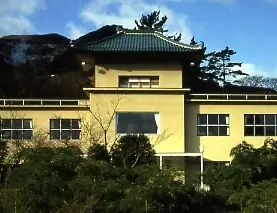
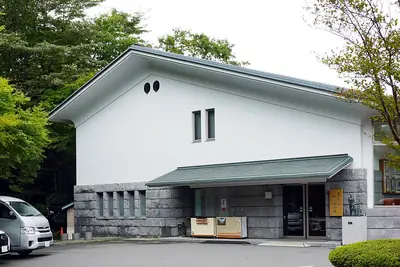
The Hakone Museum of Art is the oldest art museum in Hakone. Located in the Shinsen-kyo area, it focuses on ceramics from Eastern and Japanese art.
The museum opened on June 15, 1952. Its collection includes ceramics gathered during the lifetime of Mokichi Okada, the founder of Sekai Kyusei Kyo. Okada also designed the interior and display cases, creating a direct connection between the collection and the spaces in which it is shown.
Okada Museum of Art
Opened in 2013, the Okada Museum of Art occupies a five-floor building and presents around 450 works of Asian art. Its main focus is early modern and modern Japanese painting, alongside Chinese bronzes, lacquerware, ceramics and Buddhist sculpture.
With the largest indoor exhibition space in Hakone, the museum offers a broad introduction to several artistic traditions. It is one of the stops on the route between Gōra and Pola.
Pola Museum of Art
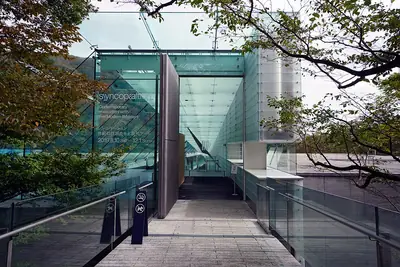
The Pola Museum of Art combines a major collection with a setting inside Fuji-Hakone-Izu National Park. Opened in September 2002, it holds more than 9,500 works, including paintings from French Impressionism and the École de Paris.
Its Impressionist collection is considered one of the largest in Japan. The building, designed by Nikken Sekkei, is also part of the visit: its architecture is intended to work with the artworks and the surrounding landscape.
Hakone Venetian Glass Museum
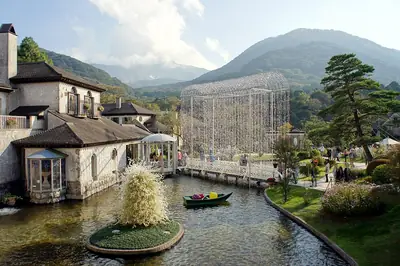
Located in Sengokuhara, the Hakone Venetian Glass Museum is dedicated to Venetian glass art. It adds a different kind of cultural stop to Hakone’s collection of museums, alongside institutions focused on Japanese painting, ceramics and sculpture.
Lake Ashi and Hakone Shrine
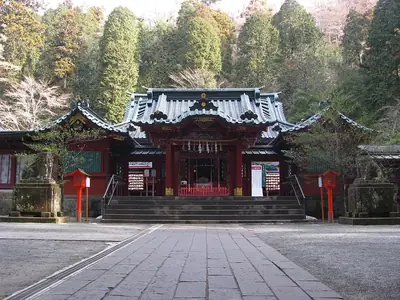
Lake Ashi is one of Hakone’s defining landscapes, and several attractions are located along its shores. Hakone Shrine, also known as Hakone Jinja and formerly Hakone Gongen, is a serene Shinto sanctuary beside the lake.
The shrine precincts include the Torii of Peace, Ebisu Shrine, the Soga Brothers 800th Anniversary Monument and the Treasure Hall. A new shrine building for Kuzuryu Shrine was added within the grounds in 2000.
The lakeside route also passes Hakone Yasuragi no Mori, a peaceful forest park associated with Omusubi Square, and the Narukawa Art Museum. Opened in 1988 in Moto-Hakone, the private museum holds more than 4,000 works by Japanese painters.
Hakone Ekiden Museum
Near the shores of Lake Ashi, the Hakone Ekiden Museum is dedicated to the Tokyo-Hakone Round-Trip University Ekiden Race, commonly known as the Hakone Ekiden. The museum opened in March 2005 and tells the story of this university relay race connecting Tokyo and Hakone.
It is a particularly relevant stop for visitors interested in Japanese sporting culture, and it can be combined with Hakone Shrine and the other lakeside attractions.
Hakone Mount Koma Ropeway
The Hakone Mount Koma Ropeway travels from the shores of Lake Ashi to the summit area of Mount Koma, a volcanic peak rising to 1,327 metres. Its route is 1,783 metres long and links Hakone-en beside the lake with the upper part of the mountain.
From the summit, views extend towards Mount Fuji and the surrounding towns. The line opened in 1963 and has been the only means of transport to the summit since the former eastern-side funicular was discontinued in 2005.
Hayakawa Bridge
Hayakawa Bridge, also known as the Deyama Railway Bridge, carries the Hakone Tozan Railway over the Hayakawa River between Tonosawa Station and Deyama Signal Station. It is recognized as the oldest existing railway bridge in Japan.
The bridge is especially striking when the surrounding foliage turns vivid in autumn. During a special sightseeing service, trains may pause there briefly, giving passengers a moment to appreciate the historic crossing.
Amida-ji Temple and Kōfuku-in
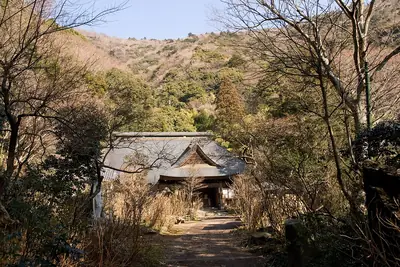
Amida-ji Temple is a Buddhist temple in Tōnosawa belonging to the Jōdo-shū sect. Kōfuku-in is another quiet Buddhist temple in Hakone, belonging to the Sōtō school of Buddhism.
Both temples offer a more contemplative side of Hakone, away from its museums and volcanic landscapes. They are included in routes linking Hakone’s old railway bridge with its historic religious sites.
Gōra Park
Gōra Park, also known as Hakone Gōra Park, is one of the named places to discover in Hakone. It fits naturally into an exploration of the Gōra area, where several of Hakone’s art museums are located.
Mount Maru
Mount Maru, or Marutake, lies in the northwestern part of the Hakone mountains. It rises to 1,156 metres and sits on the boundary between Hakone Town in Kanagawa Prefecture and Gotemba City in Shizuoka Prefecture.
Other volcanic landscapes
Hakone’s identity also comes from its volcanic terrain. Steaming valleys and mountain views form part of the region’s character, particularly around Ōwakudani and the Mount Koma area. The landscape provides a dramatic contrast with Lake Ashi, forest parks and the area’s temples.
Explore Hakone with a Self-Guided Audio Tour
A Hakone self-guided walking tour lets you explore the area independently while hearing the story of each place as you reach it. Neywo’s free audio guide includes three walking tours and one bus route:
- Gora to Pola: Hakone’s Art Mountain and the Boiling Valley — 5.93 km, 119 minutes and 5 narrated stops, including the Okada Museum of Art, Hakone Open-Air Museum, Hakone Museum of Art, Ōwakudani and Pola Museum of Art.
- Shrine on the Lake: A Walk Along Ashi’s Shore — 3.69 km, 84 minutes and 5 narrated stops, including Hakone Yasuragi no Mori, Hakone Ekiden Museum, Narukawa Art Museum, Kōfuku-in and Hakone Shrine.
- Yumoto’s Old Railway Bridge and Hōjō Temples — 5.89 km, 104 minutes and 4 narrated stops, including Hakone Daitengusan Shrine, Hayakawa Bridge, Amida-ji Temple and Sōun-ji Temple.
- Bus H: From Hayakawa Bridge to Lake Ashi — 17.4 km, 75 minutes and 4 narrated stops, including Hayakawa Bridge, Kōfuku-in, Narukawa Art Museum and Hakone Ekiden Museum.
The app tells the story of each place as you reach it, at your own pace, with no group and no schedule. Download Neywo and explore Hakone with its free audio guide, then continue discovering Japan and nearby destinations such as Kamakura or Yokohama.
Places with an audio guide in Hakone
8 places in Hakone with a Neywo audio guide. Each one starts telling its story as you reach it.

Self-guided tours in Hakone
2 tours in Hakone, free in the Neywo app. Each stop tells its story as you reach it.
- Bus ride
Bus H: From Hayakawa Bridge to Lake Ashi
The Hakone Tozan Bus line H climbs from Odawara past the old Hayakawa railway bridge and up to the Lake Ashi shore. Ride it to the temple of Kōfuku-in, the Narukawa Art Museum and the Hakone Ekiden Museum.
Hayakawa Bridge · Kōfuku-in · Narukawa Art Museum · Hakone Ekiden Museum
Open this tour: Bus H: From Hayakawa Bridge to Lake Ashi - Walk
Shrine on the Lake: A Walk Along Ashi's Shore
Follow the shore of Lake Ashi from the runners' museum to Hakone Shrine, dedicated to the three deities of Hakone. Pass a forest park, a painting museum and a quiet Zen temple, with the lake close by along the way.
Hakone Yasuragi no Mori · Hakone Ekiden Museum · Narukawa Art Museum · Kōfuku-in · Hakone Shrine
Open this tour: Shrine on the Lake: A Walk Along Ashi's Shore
Walk Hakone with Neywo
Neywo turns Hakone into a self-guided audio tour. Stories arrive as you reach the place they belong to, and the route reshapes when you wander off it.

