What to See in Dambulla, Sri Lanka: Free Audio Guide
Things to Do in Dambulla, Sri Lanka
The best things to do in Dambulla include visiting the Dambulla Cave Temple, exploring ancient archaeological sites, and using the city as a base for Sigiriya and other landmarks in Sri Lanka’s Central Province. Dambulla brings together Buddhist heritage, prehistoric history and dramatic landscapes in a city shaped by its position at a major junction. Neywo has a free audio guide for Dambulla with 7 narrated places, available in 11 languages.
What to See in Dambulla
Dambulla Cave Temple
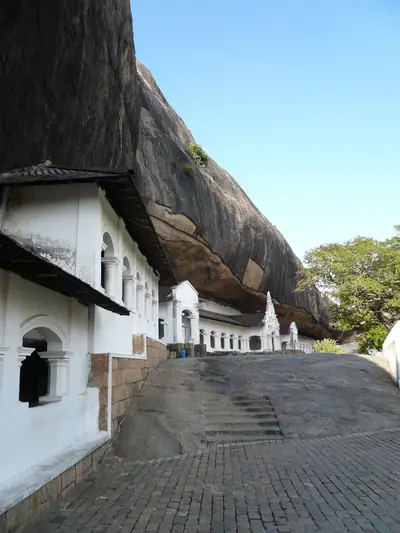
The Dambulla Cave Temple, also known as the Golden Temple of Dambulla, is the city’s defining sight. Built into a rock rising about 160 metres above the surrounding plains, it is the largest and best-preserved cave temple complex in Sri Lanka.
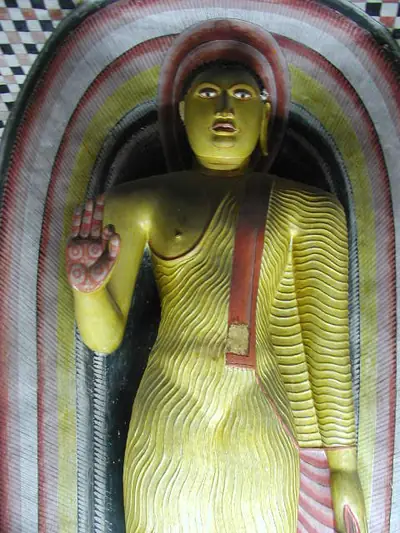
The main attractions are spread across five caves. Inside, murals cover about 2,100 square metres, alongside statues connected with Gautama Buddha and his life. Among the scenes depicted are the temptation of Buddha by the demon Mara and Buddha’s first sermon.
The wider area contains more than eighty documented caves, but the five principal caves form the heart of the temple complex. Its cultural importance has been recognised internationally: the Dambulla Cave Temple was inscribed as a UNESCO World Heritage Site in 1991.
The Golden Temple
The name Golden Temple of Dambulla is also used for the cave temple complex. At the base of the rock, this religious landmark forms a striking introduction to the sacred site above. Together, the caves, paintings and statues show the importance of Buddhist devotion in Dambulla’s history.
Sigiriya, or Lion Rock
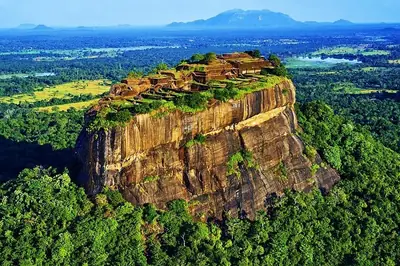
One of the most important places to visit near Dambulla is Sigiriya, an ancient rock fortress built on a massive granite column rising about 180 metres above the surrounding landscape. The site preserves the remains of an ancient capital and is one of Sri Lanka’s best-preserved examples of ancient urban planning.
According to the Cūḷavaṃsa, an ancient Sri Lankan chronicle, King Kashyapa chose the site for a new capital after the area had been transformed from forest into a hill by storms and landslides. He ruled from 477 to 495 CE and built his palace on top of the rock, decorating its sides with colourful frescoes.
About halfway up, a plateau held a gateway shaped like an enormous lion. The name Sinhagiri, or Lion Rock, comes from this entrance, which once formed the approach to the royal palace above. The rock, summit and surrounding area were all shaped into a royal complex.
Ibbankatuwa Megalithic Tombs
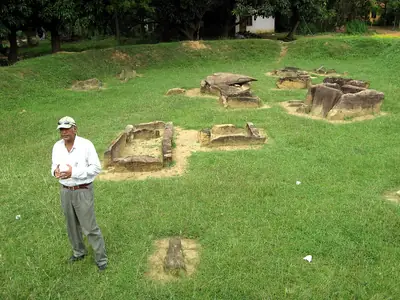
A few kilometres southwest of Dambulla, along the Kurunegala to Dambulla road, the Ibbankatuwa Megalithic Tombs offer a glimpse into Sri Lanka’s prehistoric past. The burial site lies near Ibbankatuwa Wewa and belongs to the island’s megalithic prehistoric and protohistoric periods.
The tombs are part of a wider group of ancient burial sites found across Sri Lanka. Today, the site is designated as an archaeological protected site. Its location within a few kilometres of the Dambulla cave temple complex makes it a useful addition for travellers interested in the region’s history before the arrival of Indian influence on the island.
Pidurangala Vihara
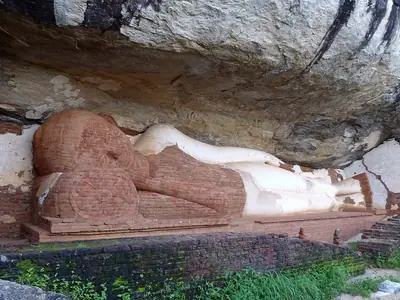
Pidurangala Vihara is an ancient Buddhist temple set on Pidurangala Rock. Located about one kilometre north of Sigiriya Rock, it provides a quieter counterpart to the more visited fortress.
The temple’s setting in Sri Lanka’s Matale District adds another dimension to the area around Sigiriya and Dambulla: Buddhist heritage, ancient royal history and striking rock landscapes appear within the same region.
St. Anthony’s Shrine in Wahakotte
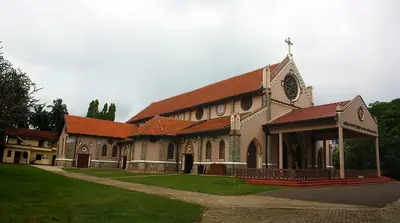
St. Anthony’s Shrine in Wahakotte is one of Sri Lanka’s sacred Catholic pilgrimage places. The national shrine is dedicated to Saint Anthony and serves as the cathedral church of the Diocese of Kandy.
It offers a different perspective on the religious heritage of the area, complementing Dambulla’s Buddhist cave temple and Pidurangala Vihara.
Explore the Central Province
Dambulla is the second largest populated and urbanised centre in Matale District after Matale, and its location has made it Sri Lanka’s centre for major vegetable distribution. It is also a starting point for several of the Central Province’s best-known attractions.
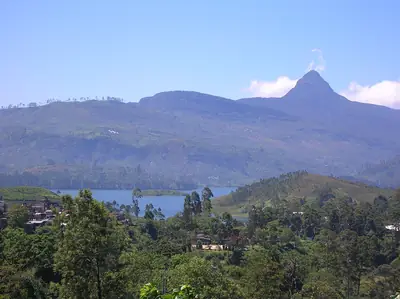
The surrounding region includes the Central Province, with its combination of archaeological sites, religious landmarks and mountain landscapes. The Central Highlands of Sri Lanka are a recognised World Heritage Site made up of the Peak Wilderness Protected Area, Horton Plains National Park and Knuckles Conservation Forest.
These protected areas contain rain forests and montane cloud forests, with elevations reaching as high as 2,500 metres above sea level. The Central Highlands were inscribed as a World Heritage Site on 31 July 2010, becoming Sri Lanka’s first new World Heritage Site in 22 years after the inscription of the Sinharaja Forest Reserve in 1988.
For a wider journey through the country, Dambulla is part of Sri Lanka, while Kandy and Nuwara Eliya are other destinations in the Central Province.
Explore Dambulla with Neywo
Neywo’s free Dambulla audio guide covers 7 narrated places. The app tells the story of each place as you reach it, at your own pace, with no group and no schedule. It is a simple way to turn a visit into a Dambulla self-guided walking tour, whether you are focusing on the cave temple or exploring several sites around the city.
Download Neywo and explore Dambulla with its free audio guide.
Places with an audio guide in Dambulla
7 places in Dambulla with a Neywo audio guide. Each one starts telling its story as you reach it.
Walk Dambulla with Neywo
Neywo turns Dambulla into a self-guided audio tour. Stories arrive as you reach the place they belong to, and the route reshapes when you wander off it.

