Salisbury, United Kingdom: Self-Guided Walking Tour
Things to do in Salisbury: a self-guided walk through cathedral history
Salisbury is a historic city in England, best known for its Early English Gothic cathedral, medieval streets and the ancient hilltop settlement of Old Sarum. The city combines major architectural landmarks with quieter churches, historic gateways and the open landscape around the River Avon. Neywo has a free audio guide for Salisbury with 74 narrated places.
What to see in Salisbury
Salisbury Cathedral
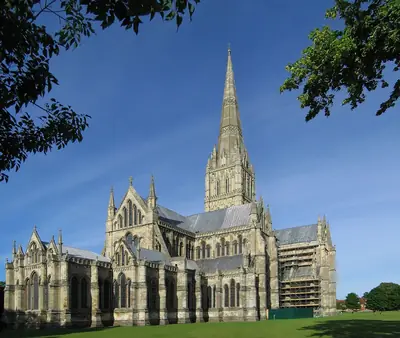
Salisbury Cathedral is the city’s defining landmark and one of England’s finest examples of Early English Gothic architecture. Built between 1220 and 1258, its main body was completed in just 38 years, giving the building an unusually unified appearance.
The cathedral’s spire rises 123 metres, making it the tallest church spire in the United Kingdom. Its great height created serious engineering challenges: the building stands on foundations only about 1.2 metres deep over waterlogged gravel, and the weight of the spire caused the central piers to bend. Hidden arches and iron tie bars added in 1668 helped stabilise the structure.
Salisbury Cathedral remains an active place of worship. Inside the Chapter House, visitors can see one of the four surviving original copies of Magna Carta. The cathedral also preserves one of the world’s oldest working clocks.
The Cathedral Close and Mompesson House
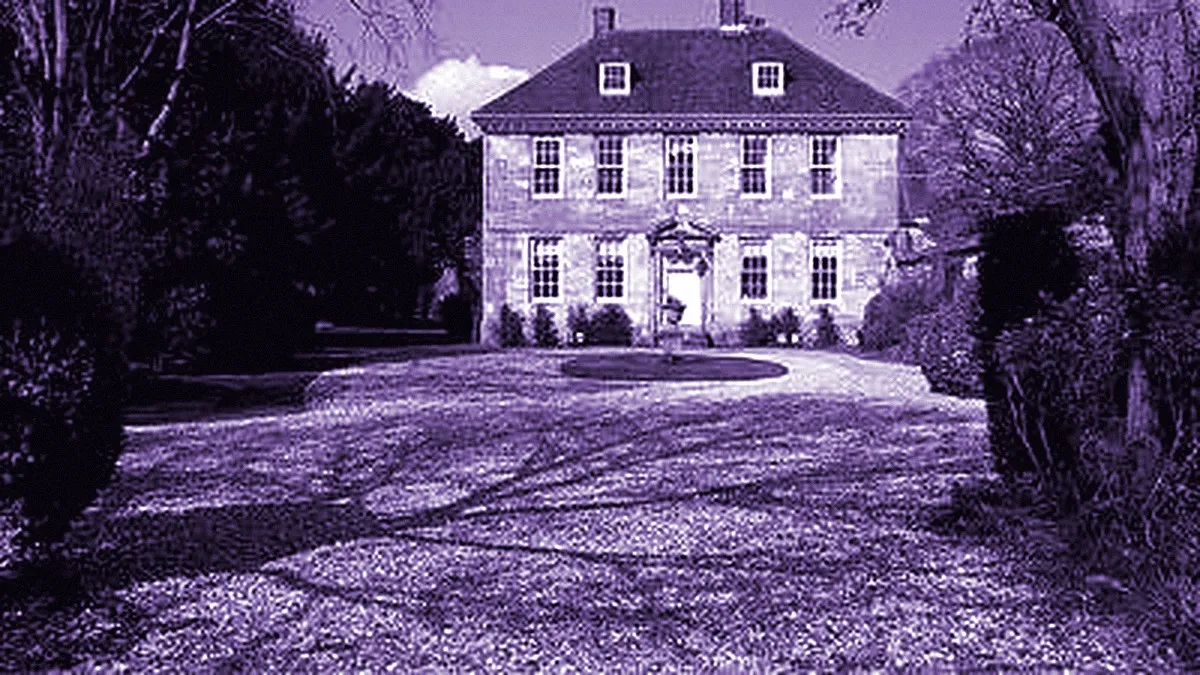
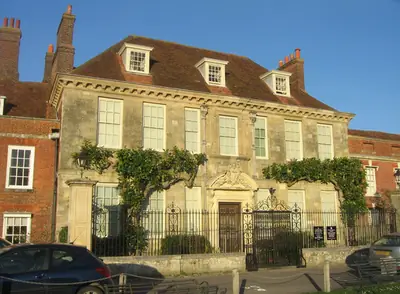
The Cathedral Close gives Salisbury some of its most distinctive historic surroundings. Its lawns and historic buildings form a spacious precinct around the cathedral, including Mompesson House, an elegant eighteenth-century house and Grade I listed building. The National Trust has owned it since 1975.
The Close is also home to several other historic buildings, including Arundells, The Wardrobe, Sarum College and St Annes Gate. Together, they make this one of the best areas for a relaxed walk through Salisbury’s architectural history.
North Gate
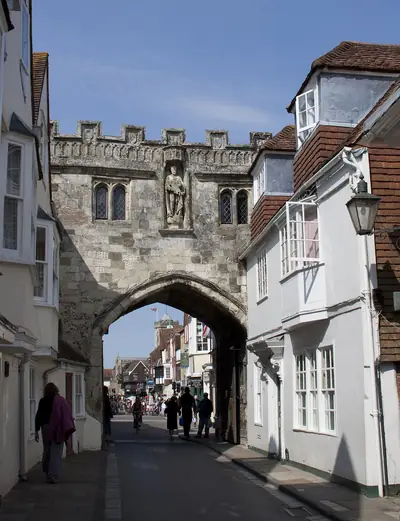
North Gate is one of Salisbury’s best-preserved medieval gateways and marks the entrance to the Cathedral Close. It was built between about 1327 and 1342 after Bishop Roger Martival received permission from King Edward III to fortify the precinct.
The gate formed part of a defensive wall and marked an important legal boundary. Outside lay the authority of the town; inside was the bishop’s jurisdiction. Its rough rubble stone, smoother ashlar dressings, pointed arch, flanking towers, battlements and statue niches reflect fourteenth-century Gothic design. The vertical slots for a later portcullis are still visible inside the archway.
St Thomas’s Church
St Thomas’s Church has served Salisbury since the city’s beginnings in the early thirteenth century. It began in 1219 as a modest wooden chapel for the growing community outside the Cathedral Close, including the craftsmen and labourers involved in the cathedral’s construction.
The present stone church developed mainly in the fifteenth century, when prosperous Salisbury merchants helped expand and enrich it. Its most striking feature is the medieval Doom Painting above the chancel arch. Dating from the late fifteenth or early sixteenth century, it depicts the Last Judgement and includes a damned bishop, a king and a cheating ale-wife. The painting was covered with whitewash after the Reformation, rediscovered in 1819, covered again and finally restored in the late nineteenth century.
The church’s timber roof is decorated with 238 carved angels, adding another remarkable detail to its interior.
St Osmund’s Church
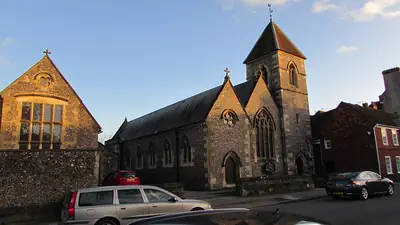
On Exeter Street, St Osmund’s Church is a Roman Catholic church built in 1847 and 1848. Designed by Augustus Welby Northmore Pugin in the fourteenth-century Decorated Gothic style, it is a Grade II listed building and remains an active place of worship.
The pointed arches, buttresses, stained glass, carved stonework and timber roof give the church a strong Gothic Revival character. Its asymmetrical layout is particularly distinctive. The church is dedicated to St Osmund, the eleventh-century Bishop of Old Sarum, and a north aisle was added in 1893 and 1894 as the parish expanded.
Old Sarum
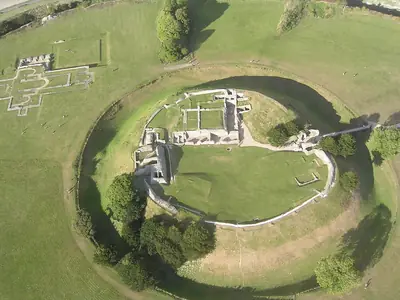
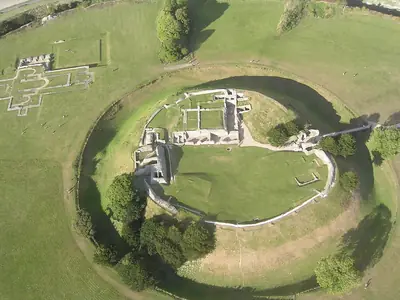
Old Sarum is the earliest settlement of Salisbury, occupying a hill that has been used and reshaped for more than five thousand years. The site developed from a prehistoric settlement into an Iron Age stronghold, a Roman settlement, a Norman castle and a medieval town.
The first major fortification appeared around 400 BC, when an Iron Age hillfort was built near the River Avon where two trade routes met. The Romans later occupied the site, while the Saxons used it as a stronghold. After the Norman Conquest, Old Sarum became a royal centre with a motte-and-bailey castle, a stone curtain wall and a cathedral.
The remains include the central motte, sections of the curtain wall, foundations of the royal apartments and the deep well that once supplied water during sieges. The settlement eventually moved down to the plain, creating modern Salisbury.
Old Sarum Cathedral
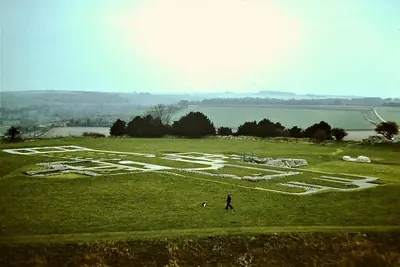
In the north-west quadrant of Old Sarum’s circular outer bailey are the foundations of the cathedral that stood here before the move to modern Salisbury. This Romanesque Norman building served as the seat of the bishops of Salisbury from 1092 until 1220.
Only the foundations remain, but they preserve the outline of the former cathedral and mark an earlier chapter in the city’s religious history. The building was also the original source of the Sarum Rite before it was replaced by Salisbury Cathedral, about two miles away.
Old Sarum Castle
Old Sarum Castle was built in the eleventh century as a motte-and-bailey castle, known formerly as Seresberi Castle. It was first constructed in timber and later rebuilt in stone. Today, the grassy mound and surviving foundations are the main reminders of the fortified site.
Harnham’s historic churches
South of Salisbury’s medieval centre, Harnham offers a different perspective on the area’s history. Church of St George, Harnham, dates back at least to 1115, with much of the existing building from the twelfth and thirteenth centuries. Its flint and limestone rubble construction, medieval stonework and historic memorials reflect the long history of the parish.
Inside, a rare thirteenth-century painting of the Noli me tangere survives above the chancel arch, although later alterations have partly cut through it. The church also contains a medieval squint in the Trinity Chapel and a square tower with two bells, including one cast in 1692.
Church of All Saints, Harnham, was consecrated in 1854 for the growing community of East Harnham. Designed by Thomas Henry Wyatt in the Decorated Gothic Revival style, it combines local stone with carefully cut and knapped flint. Its west end has a modest stone gable belfry rather than a tall tower, while the interior includes a 1959 east window designed by Christopher Webb.
Salisbury’s 2018 poisoning incident
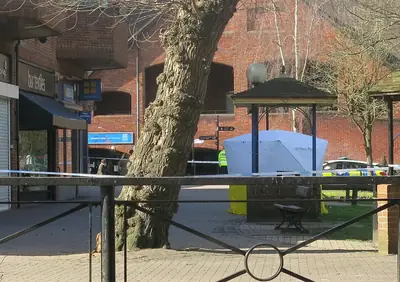
Salisbury was associated with a serious espionage incident on 4 March 2018, when former Russian military intelligence officer Sergei Skripal and his daughter, Yulia, were poisoned with Novichok. Both later recovered after spending several weeks in critical condition in hospital.
Police officer Nick Bailey was also treated after attending the incident. The story continued nearby in Amesbury, where Charlie Rowley found a perfume bottle containing the same nerve agent. He gave it to Dawn Sturgess, who became ill after spraying it on her wrist and died on 8 July 2018.
Explore Salisbury with Neywo
Neywo offers five walking tours, one bus route and one bike route in Salisbury, covering 74 narrated places in total. The walks range from 1.43 to 1.94 km and from 48 to 102 minutes:
- Inside the Cathedral Close: Gates, Houses and England’s Tallest Spire — 1.84 km, 102 minutes, 12 stops
- Market Salisbury: Inns, Crosses and Merchants’ Halls — 1.91 km, 77 minutes, 12 stops
- Fisherton Street: Trains, Theatre and a 2018 Mystery — 1.43 km, 60 minutes, 9 stops
- Harnham: Medieval Bridges, Hospitals and Water Meadows — 1.94 km, 58 minutes, 7 stops
- Old Sarum: Where Salisbury Began — 1.46 km, 48 minutes, 5 stops
The Red 5 bus route, from the Harnham villages into Salisbury, is 3.1 km long, takes 13 minutes and has 6 stops. The bike route, Two Medieval Landmarks on the Salisbury Cycle Lane, covers 2.2 km in 11 minutes and has 2 stops.
Download Neywo and explore Salisbury at your own pace. The app tells the story of each place as you reach it, with no group and no schedule. Narration is available in 11 languages.
Places with an audio guide in Salisbury
8 places in Salisbury with a Neywo audio guide. Each one starts telling its story as you reach it.
Self-guided tours in Salisbury
7 tours in Salisbury, free in the Neywo app. Each stop tells its story as you reach it.
- Bike ride
Two Medieval Landmarks on the Salisbury Cycle Lane
A short ride along dedicated cycle infrastructure through the east of Salisbury, from St Martin's, the city's oldest active parish church, south to St Nicholas's Hospital, one of the oldest almshouses in England.
Church of St Martin, Salisbury · St Nicholas's Hospital
Open this tour: Two Medieval Landmarks on the Salisbury Cycle Lane - Bus ride
Red 5: From the Harnham Villages into Salisbury
Ride Salisbury Reds route 5 from the churches of West Harnham to the city centre. It passes Harnham's medieval churches, an old coaching inn and St Nicholas's Hospital, then arrives at St Osmund's and St Thomas's in the old town.
Church of St George, Harnham · Church of All Saints, Harnham · The Rose and Crown Inn · St Nicholas's Hospital · Church of St Osmund (Roman Catholic) · St Thomas's Church, Salisbury
Open this tour: Red 5: From the Harnham Villages into Salisbury - Walk
Inside the Cathedral Close: Gates, Houses and England's Tallest Spire
Step through the medieval North Gate into Britain's largest cathedral close and circle the cathedral that has dominated the plain for more than 750 years. You pass a prime minister's home, a bishop's wardrobe, an almshouse for clergy widows and the gate where a king once held court during the plague, ending beside the gate that is still locked every night.
North Gate · College of Matrons · Mompesson House · The Wardrobe · Arundells · College Of Sarum St Michael The Old Deanery …
Open this tour: Inside the Cathedral Close: Gates, Houses and England's Tallest Spire - Walk
Market Salisbury: Inns, Crosses and Merchants' Halls
Follow the streets of New Sarum's medieval market town, from the old bridge to the Guildhall. Timbered inns, a market cross, a merchant's great hall and Salisbury's parish church tell how wool and trade built the city that the cathedral's founders laid out on a grid.
Crane Bridge · The Old George Inn · The New Inn · Poultry Cross · St Thomas's Church, Salisbury · Ox Row Inn …
Open this tour: Market Salisbury: Inns, Crosses and Merchants' Halls - Walk
Fisherton Street: Trains, Theatre and a 2018 Mystery
Leave the railway station for Salisbury's lively western side: a Victorian church, the theatre, the clock tower and the old infirmary. The walk ends at the spots tied to the 2018 Novichok poisoning that put this quiet cathedral city on the world's front pages.
Salisbury railway station · St Paul's Church, Salisbury · Salisbury Playhouse · Fisherton Street · Congregational Church · General Infirmary …
Open this tour: Fisherton Street: Trains, Theatre and a 2018 Mystery - Walk
Harnham: Medieval Bridges, Hospitals and Water Meadows
Cross the River Avon on the old Harnham bridge to the village where Constable found his views of the cathedral. You pass a medieval hospital, an old inn, parish churches and a mill on the way through the water meadows south of the city.
Harnham Gate · St Nicholas's Hospital · Ayleswade Bridge Old Harnham Bridge · The Rose and Crown Inn · Church of All Saints, Harnham · Mill House and Old Mill …
Open this tour: Harnham: Medieval Bridges, Hospitals and Water Meadows - Walk
Old Sarum: Where Salisbury Began
Climb the Iron Age hillfort that became a Norman castle and the first Salisbury cathedral, long before the city moved to the plain. Walk the earthworks and cathedral foundations, then drop to Stratford-sub-Castle and the manor of the Pitt family, who ran the rotten borough of a hill with no voters.
Old Sarum · Old Sarum Castle · Old Sarum Cathedral · Marwarden Court · St Lawrence, Stratford-sub-Castle
Open this tour: Old Sarum: Where Salisbury Began
Walk Salisbury with Neywo
Neywo turns Salisbury into a self-guided audio tour. Stories arrive as you reach the place they belong to, and the route reshapes when you wander off it.

