Visiting Falmouth, United States: Top Sights on Foot
Things to do in Falmouth, Massachusetts: history, science and the sea
The best things to do in Falmouth include exploring Woods Hole, visiting historic museums, seeing Nobska Light and spending time at Falmouth Heights Beach. On the southwestern edge of Cape Cod, Falmouth brings together maritime history, marine science, historic buildings and a strong connection with the surrounding water. Neywo offers a free Falmouth audio guide with 19 narrated places, available in 11 languages.
What to see in Falmouth
Start with Woods Hole
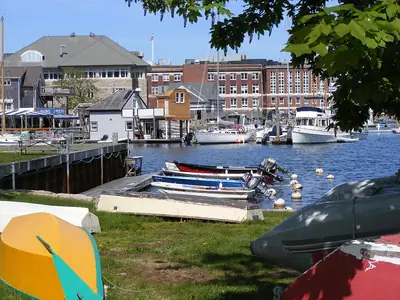
Woods Hole is a coastal community within the town of Falmouth, at the extreme southwestern corner of Cape Cod. Its identity has been shaped by the sea, ferry travel and marine research. The Steamship Authority ferry route to Martha’s Vineyard begins here, while the passage known as Woods Hole connects Vineyard Sound and Buzzards Bay.
The water is more than a scenic backdrop. The passage is known for an extremely strong current, approaching four knots, helping explain why navigation and marine science have long mattered in the community. NOAA began its presence in Woods Hole in 1871, and research and education remain central to the area.
Visit the Woods Hole Science Aquarium
The Woods Hole Science Aquarium was established in 1875 and claims to be the oldest public aquarium in the United States. Its self-guided exhibits present about 140 species of fish and invertebrates native to the Northeast and Mid-Atlantic waters of the United States.
Tanks and touch pools bring visitors close to lobsters, horseshoe crabs and starfish. Dry exhibits add whale bones, shells and baleen, while displays about aquarium operations explain how marine animals are cared for and how conservation work is connected to the institution. The aquarium’s history is closely linked to the development of marine science in the United States.
See the Woods Hole School
The Woods Hole School is a memorable nineteenth-century schoolhouse on School Street. Built in 1870 as a two-room structure, it was expanded to four classrooms in 1885 as enrollment grew. Its late Greek Revival design includes a gable roof, a projecting front section, a porch and a distinctive two-stage cupola with a belfry.
The building was listed on the National Register of Historic Places in 1982. Although it is no longer an active public school, it continues to have an educational role: in summer, it is home to the Children’s School of Science.
Stop at the Woods Hole Public Library
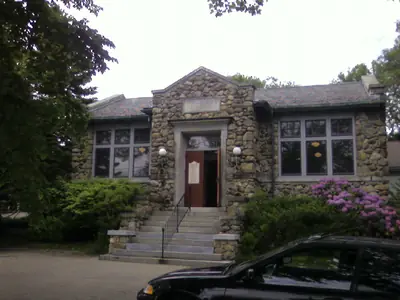
The Woods Hole Public Library is another local landmark to notice while exploring the village. It also connects with the history of the Woods Hole Historical Museum, which began in 1973 as the Woods Hole Historical Collection, a subcommittee of the local library.
Visit the Woods Hole Historical Museum
The Woods Hole Historical Museum explores the changing story of the community, from fishing and farming roots to a center of oceanographic research and a summer retreat. Its collection includes maritime artifacts and documents, while rotating exhibitions, multimedia presentations, publications and hands-on programs offer different ways into the area’s past.
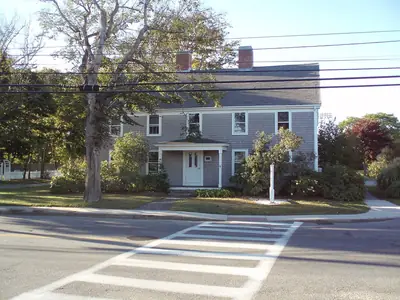
The museum expanded over time to include the Bradley House, the Yale Workshop and the Swift Barn. Some programs focus on wooden boat building and restoration, and a weekly walking tour offers another way to discover Woods Hole’s history.
Pause at the Church of the Messiah
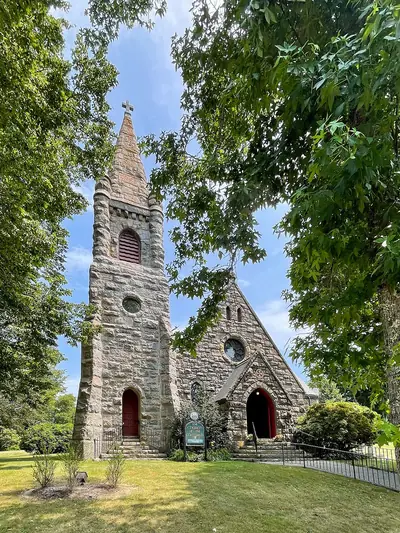
The Church of the Messiah is a distinctive place within Woods Hole. It makes a natural pause during a walk through the village, alongside the area’s library, school and museum.
Look for Rachel Carson in Waterfront Park
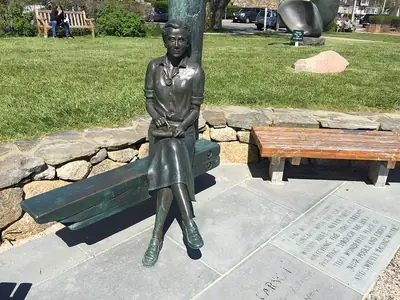
An outdoor sculpture of Rachel Carson stands in Waterfront Park. The statue is a quiet tribute to the biologist, conservationist and author whose work is remembered in Woods Hole.
See Nobska Light
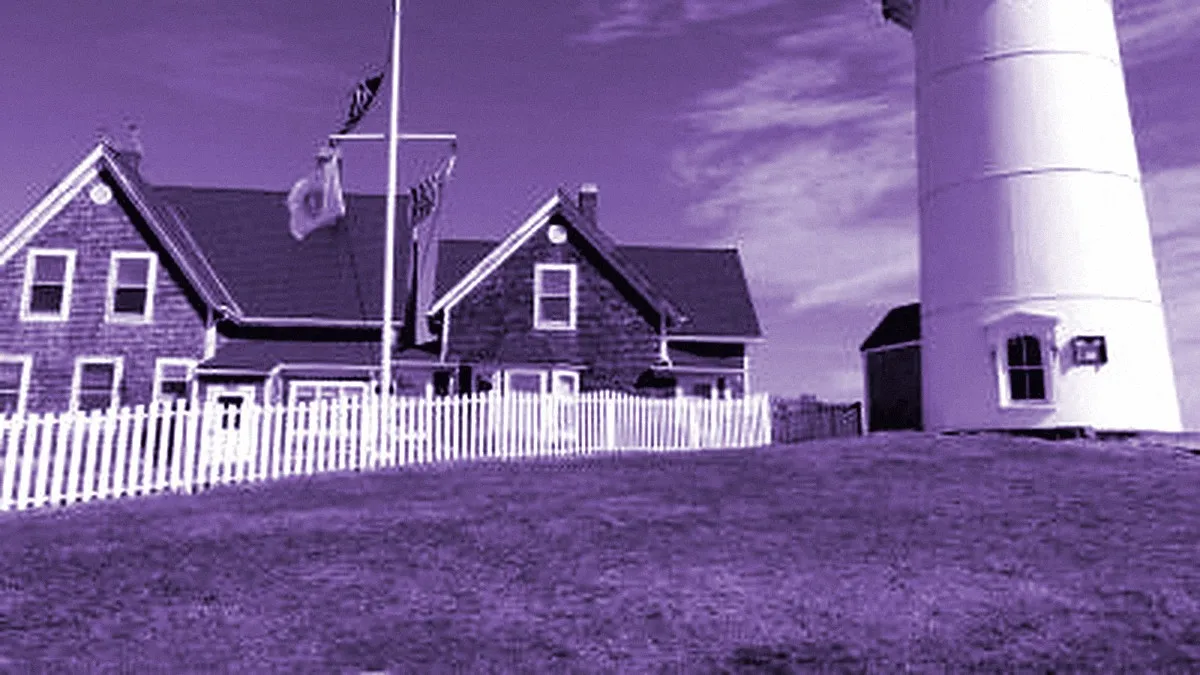
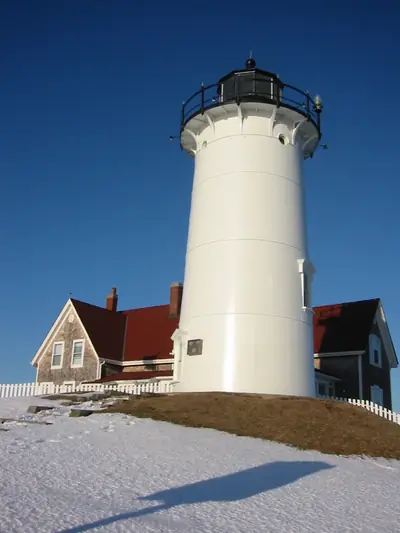
Nobska Light, also called Nobska Point Light or Nobska Lighthouse, stands at the southwestern tip of Cape Cod. The station overlooks Buzzards Bay, Nantucket Sound and Vineyard Sound, with views towards Martha’s Vineyard and Nonamesset Island.
The light station was established in 1828. The original light was mounted above the keeper’s house, before the present iron tower replaced that structure in 1876. The tower rises 42 feet and combines a brick interior with four rings of iron paneling on the outside. Italianate sash windows appear on the lower levels, while four porthole windows sit near the top beneath a ten-sided lantern house and iron balcony.
Nobska Point Light Station was added to the National Register of Historic Places in 1987. The station includes the tower, a keeper’s house, a radio beacon house and a small oil house. The Cape-style keeper’s house was built in stages between 1876 and 1905.
Explore Falmouth Museums on the Green
At the historic Village Green, where colonial militia once practiced and sea captains built their homes, the Falmouth Museums on the Green present local history across a two-acre campus.
Two eighteenth-century houses contain period furnishings, fine art, textiles and changing exhibitions. The 1790 Dr. Francis Wicks House presents the lifestyle of an affluent doctor in the late eighteenth and early nineteenth centuries. The 1730 Conant House serves as exhibition space and headquarters for the Falmouth Historical Society.
The campus also includes the Hallett Barn Visitors’ Center, the Whaling Wives Gift Shop, Colonial Gardens and Memorial Park. The gardens feature plants dating from before the American Revolution and are maintained by the Falmouth Garden Club.
Reflect at the Poor House and Methodist Cemetery
The Poor House and Methodist Cemetery brings together a former town institution and the Methodist Society Burying Ground beside it. Established in 1809, the Poor House served poor and mentally ill residents from 1812 until 1963. The site is also known as the Falmouth Poor House Burial Ground, Old Methodist Cemetery, Poor Farm and Town Infirmary.
After the Poor House closed, the building served several community roles, including housing the Falmouth Retirement System, the Falmouth Historical Commission and the Falmouth Artists Guild. The building is currently vacant, while the cemetery remains a reminder of the people connected with the institution.
Discover the Falmouth Pumping Station
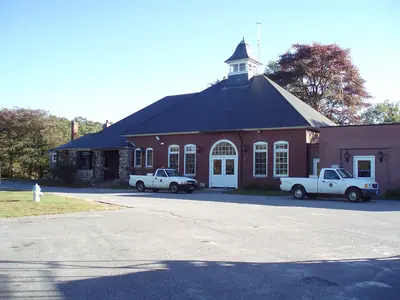
The Falmouth Pumping Station is a historic waterworks complex that remains part of the town’s water system. Its history began in 1898, when demand from vacation properties and the need for fire suppression called for a larger water supply.
The main pumphouse is a three-section masonry building. Its central section, completed in 1898 and designed by Ernest N. Boyden, originally held a steam engine, boiler room and pump. Queen Anne details include a hip roof, a bell-cast cupola, segmented-arch windows and a round-arched entrance. Later additions include an engineer’s dwelling from 1903 and a newer pump building added in 1953.
Visit Falmouth Heights Beach
Near the finish line of the Falmouth Road Race, Falmouth Heights Beach faces Nantucket Sound. Its wide stretch of golden sand, gentle surf, grassy area and benches overlooking the water give it a relaxed seaside character.
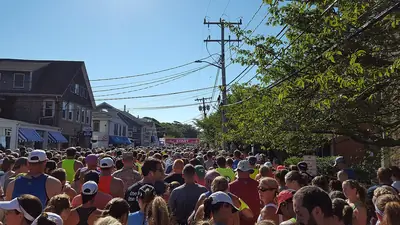
The beach is associated with swimming, sunbathing, walking along the shore and looking out across the water. Restaurants, concessions and summer food trucks are across the street. The Falmouth Road Race covers seven miles, or 11.3 kilometers, from Woods Hole to Falmouth Heights.
Find North Falmouth station’s rail-trail history
North Falmouth station no longer stands, but its history remains connected with one of Cape Cod’s best-known rail trails. The station served the Old Colony Railroad from 1872 until 1964 and burned down in 1969.
After Falmouth acquired the rail corridor in the early 1970s and the tracks were removed, the bikeway opened in stages. Its first 3.3-mile section opened in 1975, followed by a 7.4-mile extension in 2009. It is described as Massachusetts’ oldest rail trail and the first in the United States created through eminent domain.
Explore Falmouth with a free audio guide
A Falmouth self-guided walking tour makes it easy to explore Woods Hole without joining a group or following a fixed timetable. Neywo’s free audio guide tells the story of each place as you reach it, at your own pace, with no group and no schedule.
The Falmouth tour is:
- One walking tour: “Woods Hole: Science, Strong Currents and a Lighthouse at the Tip of Cape Cod”
- Length: 3.43 km
- Duration: 81 minutes
- Narrated stops: 7
- Stops include: Woods Hole Science Aquarium, Rachel Carson, Woods Hole School, Woods Hole Public Library, Woods Hole, Church of the Messiah and Nobska Light
Download Neywo and explore Falmouth while the app narrates the places around you. You can also continue discovering Massachusetts, from the coast to inland cities, or explore more of the United States.
Places with an audio guide in Falmouth
8 places in Falmouth with a Neywo audio guide. Each one starts telling its story as you reach it.
Self-guided tours in Falmouth
1 tour in Falmouth, free in the Neywo app. Each stop tells its story as you reach it.
- Walk
Woods Hole: Science, Strong Currents and a Lighthouse at the Tip of Cape Cod
Stroll through the village where American marine science began. See the oldest public aquarium in the United States, the sculpture of Rachel Carson on the waterfront, a Victorian schoolhouse and the village library, feel the strong tides of the channel that gives Woods Hole its name, then walk on past the Church of the Messiah to Nobska Light, the iron lighthouse guarding Vineyard Sound.
Woods Hole Science Aquarium · Rachel Carson · Woods Hole School · Woods Hole Public Library · Woods Hole · Church of the Messiah …
Open this tour: Woods Hole: Science, Strong Currents and a Lighthouse at the Tip of Cape Cod
Walk Falmouth with Neywo
Neywo turns Falmouth into a self-guided audio tour. Stories arrive as you reach the place they belong to, and the route reshapes when you wander off it.

