Things to Do in Teotihuacan, Mexico: Walking Guide
Things to do in Teotihuacan: what to see in Mexico’s ancient city
Teotihuacan is one of the greatest archaeological sites in the ancient Americas and one of the most important places to visit in Mexico. Its monumental pyramids, ceremonial avenue and surviving murals reveal the scale and sophistication of a civilization whose identity remains largely unknown. Neywo offers a free audio guide for Teotihuacan with 10 narrated places, available in 11 languages.
What to see in Teotihuacan
The archaeological zone is a vast ancient city that flourished roughly between 100 BC and 650 AD. During its heyday, it was one of the largest urban centers in Mesoamerica. The Mexica, often called the Aztecs, encountered its ruins centuries after the city had fallen and gave it the name Teotihuacan. The name comes from Nahuatl and is commonly translated as “the place of the gods” or “the place where men become gods.”
In 1987, UNESCO declared the archaeological monument zone a World Heritage Site. The following places help explain why the site remains so significant.
Avenue of the Dead
The Avenue of the Dead is the central axis of Teotihuacan and connects many of its most important monuments. Walking along it gives a clear sense of the city’s careful planning and monumental scale, from the Pyramid of the Moon in the north to the Citadel and the Temple of the Feathered Serpent farther south.
The avenue is also the natural route for exploring the archaeological zone. Along the way, it leads to palaces, pyramids, plazas and residential compounds that show how ceremonial and everyday spaces were organized.
Pyramid of the Sun
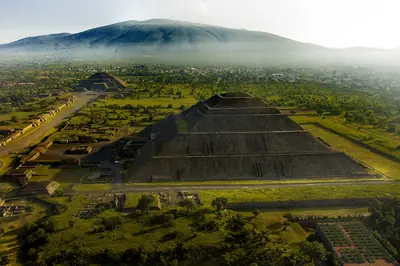
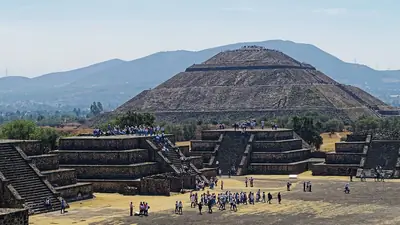
The Pyramid of the Sun is the largest building in Teotihuacan and one of the largest pyramids in the region. Built around 100 CE, it measures about 225 metres long and roughly 75 metres high. Its position along the Avenue of the Dead, between the Pyramid of the Moon and the Citadel, made it a dominant feature of the ancient city.
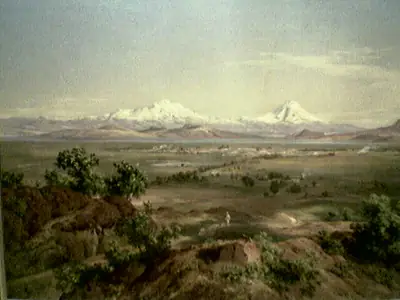
Cerro Gordo rises behind the pyramid, adding to the imposing setting. A temple is thought to have stood at the top, although it was later destroyed through erosion or deliberate damage. The name “Pyramid of the Sun” was given by the Aztecs long after Teotihuacan’s original builders had abandoned the city.
Pyramid of the Moon
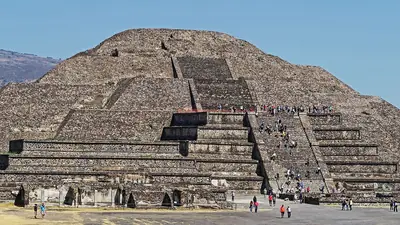
At the northern end of the Avenue of the Dead stands the Pyramid of the Moon, the second largest pyramid in Teotihuacan. It rises approximately 43 to 45 metres and faces the Plaza de la Luna, a square surrounded by thirteen smaller pyramid platforms.
The pyramid’s outline probably imitates Cerro Gordo, the mountain to the north. The mountain was known in Nahuatl as tenan, meaning “stone mother.” Construction began between the 2nd century BC and the 1st century AD, during the Tzacualli phase, which lasted roughly from 1 to 150 AD.
Quetzalpapálotl Palace
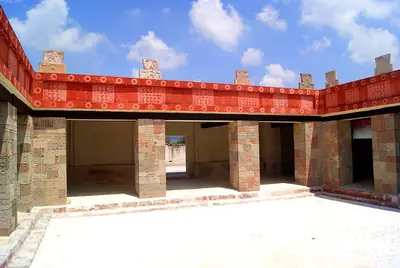
Just southwest of the Pyramid of the Moon, the Palace of Quetzalpapálotl opens directly onto the Avenue of the Dead. This well-preserved complex offers a glimpse into the spaces used by Teotihuacan’s ancient elite.
Its surviving murals are among the highlights. The name Quetzalpapálotl combines the words for quetzal bird and butterfly, reflecting the symbolism associated with this sacred complex.
Temple of the Feathered Serpent
The Temple of the Feathered Serpent is the third largest building in Teotihuacan and stands within the Citadel. It was dedicated to the Feathered Serpent, a deity later known as Quetzalcoatl.
The pyramid has seven bodies built in the talud-tablero style, with sloping sections and vertical panels. Sculptures of the Feathered Serpent once covered its western façade. The temple was discovered in 1918 during excavations led by Manuel Gamio.
Around 700 to 750 AD, an attached platform was built in front of the temple. The visible sculptures were deliberately destroyed and the façade was covered, an intervention that unexpectedly helped preserve parts of the monument.
Tepantitla
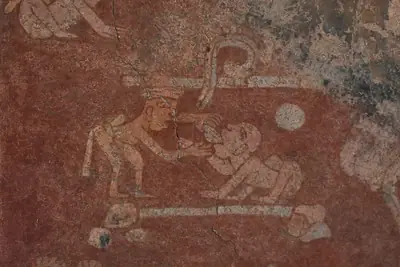
Tepantitla is a residential compound known for its exceptional murals, painted between the 6th and 7th centuries. Unlike artworks focused only on gods or rulers, these paintings include scenes of everyday activities, rituals and the natural world.
They offer an unusually intimate view of life in Teotihuacan and provide some of the clearest evidence of the city’s artistic tradition and daily experience.
Museo de Sitio de Teotihuacán
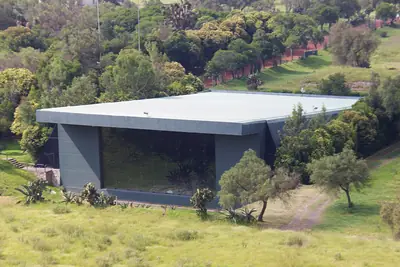
The Museo de Sitio de Teotihuacán is the archaeological site’s on-site museum. Its artifacts and exhibits provide context for the civilization that built and inhabited the city.
Visiting the museum adds another layer to the ruins: instead of seeing only the surviving architecture, you can learn more about the objects and archaeological evidence that help reconstruct Teotihuacan’s history.
Teatro al aire libre
The open-air theatre is a modern addition to the archaeological site. It opened in 1924, contrasting with the pyramids, avenues and plazas that date back more than a thousand years.
Its presence reflects the continued use of Teotihuacan as a cultural setting long after the ancient city disappeared.
Cathedral of the Holy Redeemer
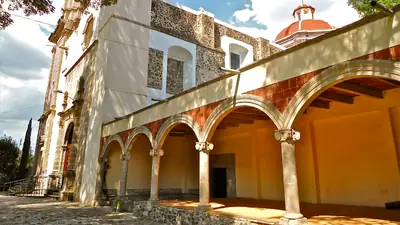
In the nearby city of Teotihuacán de Arista, the Cathedral of the Holy Redeemer is the main Catholic church and the seat of the Diocese of Teotihuacán. Its full name is the Cathedral Sanctuary of the Divine Redeemer.
The cathedral represents a different chapter in the area’s history, connecting the ancient archaeological landscape with the region’s continuing religious life.
Explore Teotihuacan with a self-guided walking tour
Neywo’s Teotihuacan audio guide includes one walking tour: Along the Avenue of the Dead. The route covers 4.51 km, takes approximately 115 minutes and includes 7 narrated stops. Its stops include the Museo de Sitio de Teotihuacán, the Temple of the Feathered Serpent, the Pyramid of the Sun, Tepantitla, Quetzalpapálotl and the Pyramid of the Moon.
The app tells the story of each place as you reach it, at your own pace, with no group and no schedule. Download Neywo and explore Teotihuacan with a free audio guide that turns the walk along the Avenue of the Dead into a narrated journey through the city’s history.
Places with an audio guide in Teotihuacan
8 places in Teotihuacan with a Neywo audio guide. Each one starts telling its story as you reach it.
Self-guided tours in Teotihuacan
1 tour in Teotihuacan, free in the Neywo app. Each stop tells its story as you reach it.
- Walk
Along the Avenue of the Dead
Walk the great ceremonial axis of Teotihuacan, the city of the gods, from the Feathered Serpent temple with its buried warriors to the Pyramid of the Moon. On the way you pass the Pyramid of the Sun, the painted halls of Tepantitla and the Palace of Quetzalpapalotl.
Museo de Sitio de Teotihuacán · Temple of the Feathered Serpent, Teotihuacan · Teotihuacan · Pyramid of the Sun · Tepantitla · Quetzalpapálotl …
Open this tour: Along the Avenue of the Dead
Walk Teotihuacan with Neywo
Neywo turns Teotihuacan into a self-guided audio tour. Stories arrive as you reach the place they belong to, and the route reshapes when you wander off it.

