Visiting Condeixa-a-Nova, Portugal: Top Sights on Foot
Things to do in Condeixa-a-Nova: Roman ruins, museums and historic palaces
The best things to do in Condeixa-a-Nova include exploring the Roman ruins of Conímbriga, visiting museums and discovering historic palaces in the town and surrounding parishes. This municipality near Coimbra brings together ancient archaeology, local history and distinctive limestone landscapes. Neywo has a free audio guide for Condeixa-a-Nova, with 19 narrated places available in 11 languages.
What to see in Condeixa-a-Nova
Conímbriga
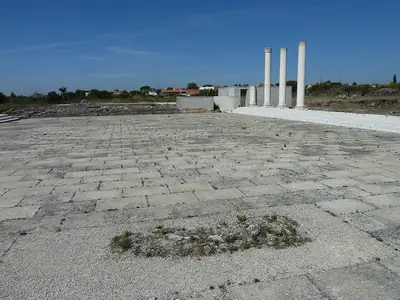
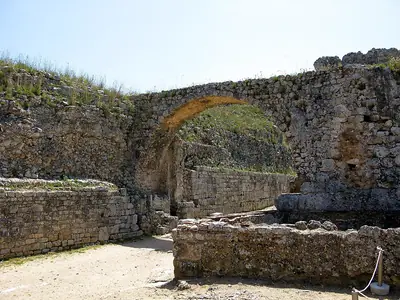
Conímbriga is the defining historic site of Condeixa-a-Nova and one of the important Roman cities of Lusitania. The area was occupied as early as the twelfth to ninth centuries BCE, probably as a fortified settlement, and became a city towards the end of the first century BCE, after the rise of Augustus.
The archaeological site preserves streets, defensive walls, public buildings, houses and richly decorated mosaics. Its Roman road connected Conímbriga with Olissipo, Escálabis and Brácara Augusta. The defensive circuit extends for about 1,500 metres in an almost triangular layout. A north-to-south section divides the city into two areas, while the walls, built near the end of the fourth century, reflect a period of tension and the threat of attacks. In 468, the Suebi captured the city and destroyed part of its fortifications.
Look especially for the large urban villa north of the road, with its central peristyle and richly decorated remains. The site reveals how Conímbriga developed over many centuries, from its pre-Roman origins to its role as a substantial Roman city.
Museu Monográfico de Conimbriga
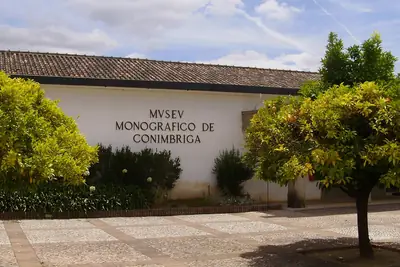
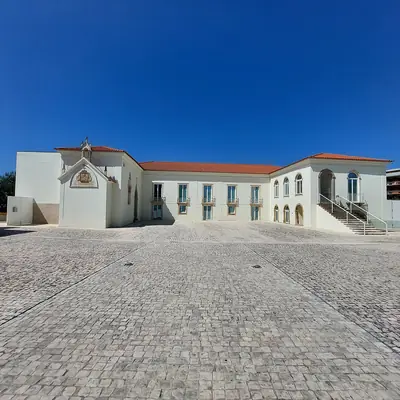
The Museu Monográfico de Conimbriga is an archaeological museum devoted to the ancient city. It oversees the ruins as well as preserving discoveries from the site, bringing the museum and archaeological remains together as one historical experience.
The ruins were declared an archaeological site and a National Monument in 1910. The museum provides the setting for understanding the relics uncovered during excavation. It underwent renovation works after the summer of 2024, with completion expected in the first months of 2026.
Casa Museu Fernando Namora
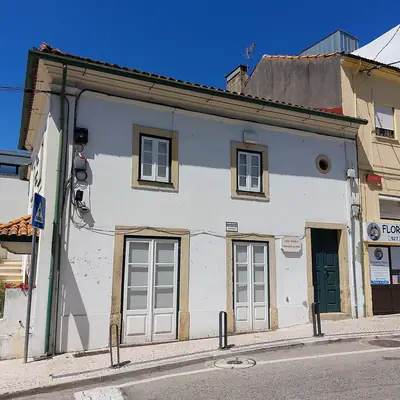
In Largo Artur Barreto, number 24, the Casa Museu Fernando Namora occupies the house associated with the writer Fernando Namora. It is the place where he was born and adds a literary dimension to a visit focused otherwise on Roman and civic history.
Palácio dos Figueiredos
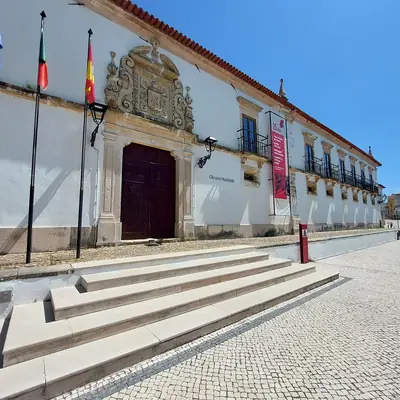
Palácio dos Figueiredos, also known as the Paço dos Figueiredos or Paço do Capitão-Mor, now serves as the Municipal Chamber of Condeixa-a-Nova. Built in the middle of the seventeenth century, its main façade faces Largo Artur Barreto and its rear looks onto Praça do Município.
The palace was looted and set on fire in 1811 during the French army’s retreat, then rebuilt in 1857. In the 1920s, it and the surrounding property were donated to the town hospital and the Dona Ana Laboreiro d’Eça Foundation. Until 1986, the building housed several local services, including the district court, public library, parish council headquarters and a place of worship while the parish church was repaired. It has been classified as a property of public interest since 1974.
The palaces of Condeixa-a-Nova
Several historic residences give the town its architectural character. Palácio Conde de Podentes, also known as the Hospício de Podentes, stands on Rua Dr. Simão da Cunha. Palácio dos Matos and Palácio Lemos are two further landmarks to notice while walking through Condeixa-a-Nova.
Palácio dos Almadas is also known as the Pousada de Condeixa-a-Nova and Pousada de Santa Cristina. It began as a sixteenth-century manor house before being completely renovated and incorporated into the Pousadas de Portugal hotel network, where it is classified as a Pousada de Charme.
Paço dos Comendadores da Ega
In Ega, the Paço dos Comendadores da Ega is also called Castelo da Ega, Paço da Ordem de Cristo or simply Paço da Ega. These names reflect the building’s place within the historic heritage of the parish and the wider municipality.
Pelourinho de Ega
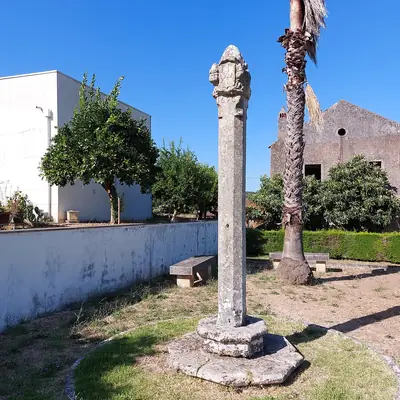
The Pelourinho de Ega is a pale-limestone Manueline monument on an octagonal base of three steps. Its plain column has chamfered edges, while the capital carries relief decoration including the arms of the kingdom and an armillary sphere.
Portuguese pillories were closely connected with the granting of a foral, a charter that gave local inhabitants political, social and legal privileges. The monument therefore illustrates both the artistic and civic history of the area. The Pelourinho de Ega has been classified as a Property of Public Interest since 1933.
Aqueduto romano de Conímbriga
The Roman Aqueduct of Conímbriga was built in the first century AD during the urban development of the city under Augustus. It carried water towards Conímbriga, with much of its roughly three-kilometre conduit running underground.
By the time of Claudius, the system was already functioning as a sewer, before two cisterns were built. Water was collected in the agricultural area by a dam and a tower known as the Castellum de Alcabideque. The castellum has a rectangular plan and formed part of the system used to capture and direct the water.
Casa de São Tomé
Casa de São Tomé, also known as Museu Portugal Romano em Sicó, is another museum stop in Condeixa-a-Nova. Its focus connects the municipality with the Roman heritage of the Sicó area.
Villa Romana do Rabaçal
Villa Romana do Rabaçal is an archaeological site in Penela, Portugal, included among the places associated with a visit around Condeixa-a-Nova. It offers another point of interest for exploring the Roman heritage of the surrounding region.
Buracas do Casmilo
Near the village of Casmilo, the Buracas do Casmilo, also known as the Vale das Buracas, form one of Condeixa-a-Nova’s most distinctive geological landscapes. The formations lie among the limestone escarpments of the Zambujal area.
The Buracas are the exposed remains of several chambers from a cave inside the hill. The central section of an underground passage collapsed, leaving its outer side chambers visible. The result is a striking landscape shaped by the interaction of rock, cavities and collapse.
Churches in Ega and Condeixa-a-Nova
The Igreja de Nossa Senhora da Graça, also called the Igreja Matriz de Ega, is a historic church in Ega and part of the municipality’s local heritage. The Igreja Matriz de Condeixa-a-Velha and the Igreja Paroquial de Condeixa-a-Nova are also included on Neywo’s walking route through the area.
Explore Condeixa-a-Nova with Neywo
A Condeixa-a-Nova self-guided walking tour is an easy way to connect the Roman ruins with the town’s palaces and churches. Neywo’s one walking tour, “Roman Ruins and Palace Courtyards: Condeixa from Conímbriga to the Town Square,” covers 3.88 km in 109 minutes and includes 9 narrated stops.
The route includes Conímbriga, the Museu Monográfico de Conimbriga, the Igreja Matriz de Condeixa-a-Velha, Palácio Conde de Podentes, the Casa Museu Fernando Namora, the Igreja Paroquial de Condeixa-a-Nova, Palácio dos Figueiredos, Palácio Lemos and Palácio dos Almadas.
Download Neywo and explore Condeixa-a-Nova at your own pace. The app tells the story of each place as you reach it, with no group and no schedule.
Places with an audio guide in Condeixa-a-Nova
8 places in Condeixa-a-Nova with a Neywo audio guide. Each one starts telling its story as you reach it.
Self-guided tours in Condeixa-a-Nova
1 tour in Condeixa-a-Nova, free in the Neywo app. Each stop tells its story as you reach it.
- Walk
Roman Ruins and Palace Courtyards: Condeixa from Conímbriga to the Town Square
Start among the mosaics, baths and walls of Conímbriga, one of the best-preserved Roman cities in Portugal, then follow the road north to the village church of Condeixa-a-Velha. The walk ends in Condeixa-a-Nova's old centre, where manor houses, the writer Fernando Namora's birthplace and a palace turned inn sit within a few minutes of each other.
Conímbriga · Museu Monográfico de Conimbriga · Igreja Matriz de Condeixa-a-Velha · Palácio Conde de Podentes · Casa onde nasceu Fernando Namora / Casa Museu Fernando Namora · Igreja Paroquial de Condeixa-a-Nova …
Open this tour: Roman Ruins and Palace Courtyards: Condeixa from Conímbriga to the Town Square
Walk Condeixa-a-Nova with Neywo
Neywo turns Condeixa-a-Nova into a self-guided audio tour. Stories arrive as you reach the place they belong to, and the route reshapes when you wander off it.

