What to See in Røros, Norway: Free Audio Guide
Things to Do in Røros: Historic Churches, Printing Heritage and Mountain Landscapes
Røros is a historic copper-mining town in Trøndelag, Norway, known for its preserved character and distinctive buildings. The town is worth visiting for its mining heritage, church architecture, local history and the landscapes surrounding this inland community. Neywo has a free audio guide for Røros with 9 narrated places, available in 11 languages.
What to See in Røros
Røros Church
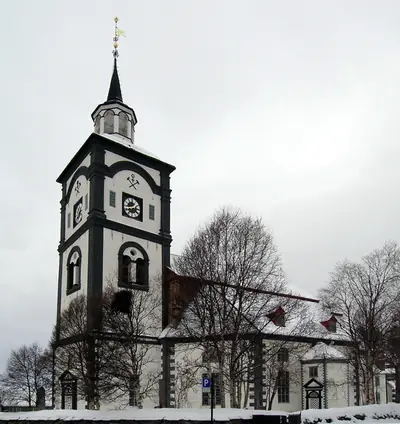
Røros Church, also known as Bergstadens Ziir, rises above Kjerkgata and dominates the town. Built in 1784, it was the first stone church constructed in Trøndelag after the Reformation. The Røros Copper Works paid for the building, and the mining company’s mark appears on all four sides of the tower.
The church has an elongated octagonal design made from whitewashed stone and seats around 1,600 people. Its name, Bergstadens Ziir, means “adornment of the mining town”—an appropriate description for a building intended to give the mining community a grand landmark. Inside, a wide barrel-vaulted ceiling and tall windows with small panes create a bright, spacious interior.
Press Museum Fjeld-Ljom
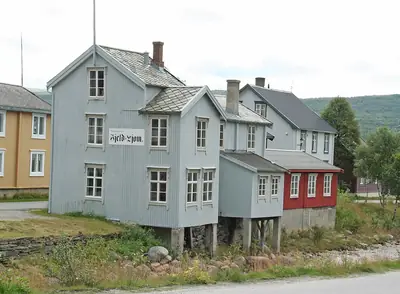
The Press Museum Fjeld-Ljom occupies the former editorial offices and printing works of the newspaper Fjell-Ljom, beside the Hitterelva river. The newspaper was produced here for 88 years, beginning in 1891.
The museum’s main attraction is its printing equipment: it is described as the only complete printing press of its era in the Nordic region. The machinery is kept in working order, and demonstrations can show how newspapers were produced in the past. It offers a focused look at the communications and industrial history of Røros.
Røros Chapel
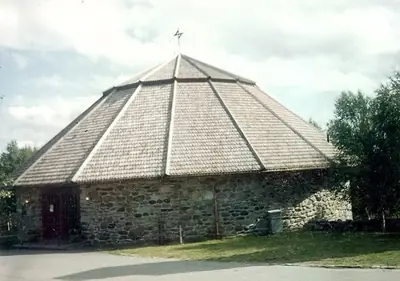
At the northern end of the Røros churchyard stands Røros Chapel, or gravkapell. Built in 1962 and designed by Erik Guldahl, it is primarily used for funerals and burials.
The chapel’s circular floor plan makes it stand out from the more traditional church buildings in the area. Its form was inspired by the goahti, a traditional Sami dwelling. The concrete building seats around 220 people and includes a ceremony room that is neutral with respect to religious belief. A crematorium is located in the basement, and upgrades to the chapel and cremation facility were completed in 2016.
Glomma
The Glomma, also known as Glåma, begins near Lake Aursunden, just northeast of Røros, and flows south to the Oslofjord at Fredrikstad. At roughly 620 kilometres long, it is Norway’s longest and most voluminous river, as well as the second-longest river in Scandinavia.
Around Røros, the river is part of the wider landscape that connects the town with the surrounding highlands. Its basin covers about 13 percent of Norway’s surface area. The river is known for its gently winding course, particularly across the flatter areas around Solør. In 1995, it experienced the worst flooding in more than a century, an event known as Vesleofsen.
Ulvstugguhaugen
Ulvstugguhaugen is a hill just outside Røros, less than a kilometre from the town. It rises to 650 metres above sea level, offering a nearby natural feature to notice alongside the historic streets and buildings.
Røros fjellkirke
About five and a half kilometres from the centre of Røros, Røros fjellkirke sits on Enarvola. The small mountain chapel was originally a military structure before being taken over by the local congregation in 2004. It was consecrated as a sports chapel on 24 August 2005.
The church room is simple and intimate, with seating for around 30 people. There is no cemetery at the site, so the chapel stands alone in the mountain landscape.
Churches Around Røros
The wider Røros area includes several small wooden churches that reflect the character of local communities beyond the town itself.
Brekken Church
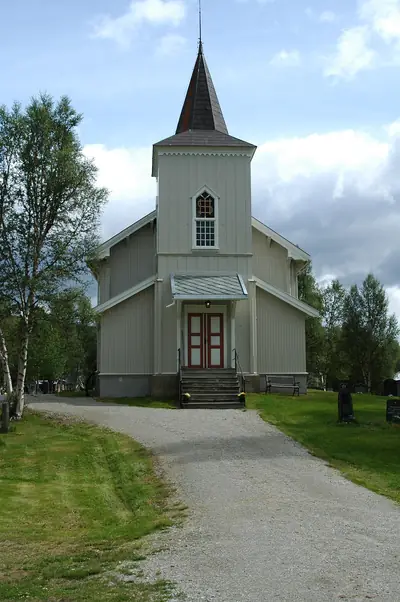
At the eastern end of Lake Aursunden, Brekken Church has served its parish since 1878. Designed by architect Jacob Wilhelm Nordan, it is a grey-painted timber building in the traditional long church style, with seating for about 200 people.
Glåmos Church
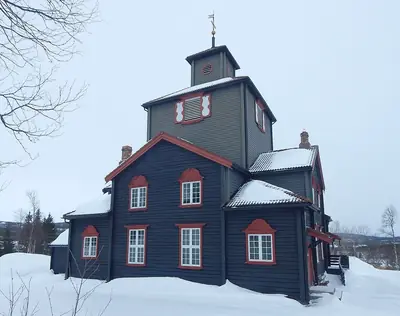
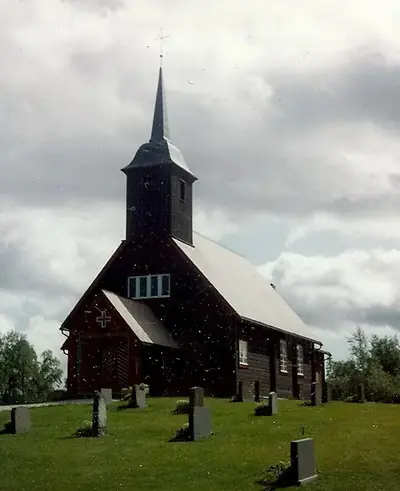
Glåmos Church was built in 1926 to designs by architect Claus Hjelte. The timber building has a cruciform plan and warm brown and red wooden cladding that blends with the surrounding landscape. It seats around 300 people.
The churchyard was already in use several decades before the present church was built, giving the site a longer history as a place of gathering and remembrance.
Hitterdal Chapel
Around 15 kilometres northeast of Røros, Hitterdal Chapel is a small brown timber building in the village of Hitterdalen. Built in 1959 in the traditional long church style, it was designed from plans by architect John Egil Tverdahl. The chapel seats around 130 people and serves as the parish church for Hitterdalen.
Explore Røros with Neywo
There are no scheduled tours or group walks to join. Neywo’s free Røros audio guide includes 9 narrated places, and each story plays as you reach the place, at your own pace, with no group and no schedule. Narration is available in 11 languages.
Download Neywo to explore Røros independently: the app tells the story of each place as you arrive, making it easy to connect the town’s churches, printing heritage and surrounding landscapes. Røros is one destination in Norway, and you can continue discovering the region with Trondheim or explore more destinations in Trøndelag.
Places with an audio guide in Røros
8 places in Røros with a Neywo audio guide. Each one starts telling its story as you reach it.
Walk Røros with Neywo
Neywo turns Røros into a self-guided audio tour. Stories arrive as you reach the place they belong to, and the route reshapes when you wander off it.

