What to See in Jeju, South Korea: Free Audio Guide
Things to do in Jeju: the island’s history, culture and volcanic landscapes
The best things to do in Jeju range from exploring traditional markets and museums in Jeju City to discovering Hallasan National Park, coastal islands and the landscapes created by volcanic activity. Jeju Island combines a distinctive maritime culture with important historical sites, creative museums and dramatic natural scenery. Neywo offers a free audio guide for Jeju with 18 narrated places.
What to see in Jeju
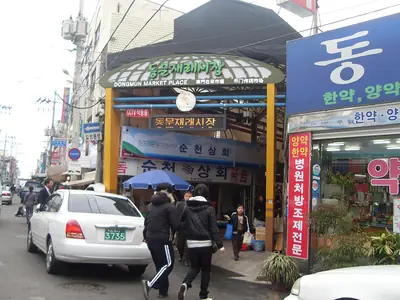
Jeju Dongmun Traditional Market
Jeju Dongmun Traditional Market is one of the city’s best-known places for everyday food, local products and a lively market atmosphere. It is the largest and oldest permanent traditional market still operating in Jeju, with stalls selling fresh seafood, street food, souvenirs and hallabong mandarins.
The market was established after the end of the Japanese colonial period. A fire destroyed it in March 1954, after which it was rebuilt at its present location under the same name. Today, it remains a useful place to experience the variety of products associated with Jeju.
Gwandeokjeong
Gwandeokjeong is a historic pavilion beside the Jeju Mokgwana facilities, in the heart of Jeju City. Dating from the Joseon era, it is considered one of the oldest buildings in Jeju and was designated Treasure Number 322 in 1963.
For many years, the pavilion served as a symbol of Jeju and as a setting for the island’s public-square culture. It is also the starting point of Neywo’s self-guided walking route through old Jeju City.
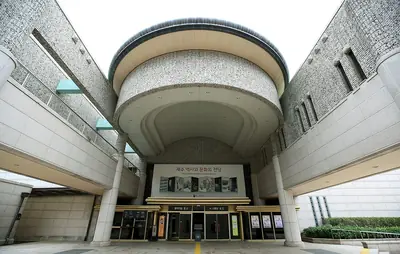
Jeju National Museum
The Jeju National Museum introduces the archaeology and local history of the island, with particular attention to Tamna and Jeju’s maritime culture. The museum was established on March 20, 1997, opened to visitors on June 15, 2001, and brings together material that helps explain the island’s long relationship with the sea.
Hallasan National Park
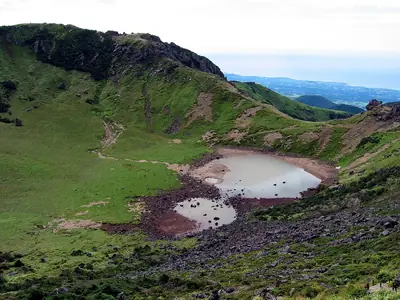
Hallasan National Park surrounds Hallasan, a shield volcano and the highest mountain in South Korea. The mountain rises to 1,947.06 metres in the centre of Jeju, with smaller volcanic cones known as oreum or ak appearing on its slopes and across the island.
At the summit is Baengnokdam, a volcanic crater lake. Its name is said to mean a place where white deer come to drink. The area became a protected natural zone and National Monument Number 182. Hallasan National Park was established in 1970, later becoming a UNESCO Biosphere Reserve in 2002 and part of the Jeju Volcanic Island and Lava Tubes World Heritage Site in 2007.
Hallasan is central to understanding Jeju’s landscape. The island itself was formed by an underwater volcanic eruption approximately two million years ago, and its volcanic origins remain visible in the mountain, oreum and lava formations.
Jeju Island and Jeju Province
Jeju Island is South Korea’s largest island and lies south of the Korean Peninsula. It forms most of Jeju Special Autonomous Province, whose territory also includes eight inhabited islands and 55 uninhabited ones, including Udo, Marado and the Chuja Archipelago.
Jeju Province is administered through Jeju City in the north and Seogwipo in the south. Its natural identity comes from Hallasan, the surrounding sea and the volcanic island and lava-tube landscapes listed as a UNESCO World Natural Heritage site. Its human history reaches back between 8,000 and 10,000 years, including the history of the Tamna Kingdom.
For a broader journey through the country, see the South Korea destination guide. On Jeju itself, Seogwipo offers another base for exploring the island.
Udo
Udo is one of Jeju Province’s popular island destinations. Its scenery includes beaches, sheer rocky cliffs and sea caves, while its mostly flat interior contrasts with the rugged coastline. The name Udo means “Cow Island”, referring to the shape the island is said to have when viewed from a distance.
Udo can be reached by ferry, and bikes and public transit are available for exploring it. Its combination of open landscapes and volcanic coastal formations makes it a distinct excursion from the main island.
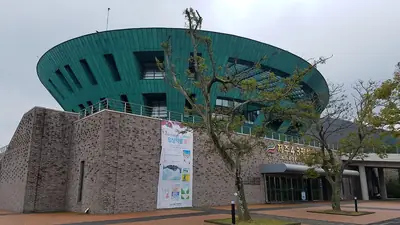
Haenyeo Museum
The Haenyeo Museum is dedicated to Jeju’s haenyeo culture, the island’s distinctive maritime tradition. The museum preserves and passes on the history and importance of these women divers, offering context for Jeju’s relationship with the sea and seafood.
Jeju April 3 Peace Park
The April 3 Jeju Peace Park and museum commemorate the victims of the Jeju 4.3 events, which took place from 1948 to 1949. Located in Bonggae-dong, Jeju City, the memorial was created to honor those who lost their lives, restore their dignity and promote peace and human rights.
This is a place for remembrance and reflection rather than a conventional sightseeing stop, and it provides important context for understanding Jeju’s modern history.
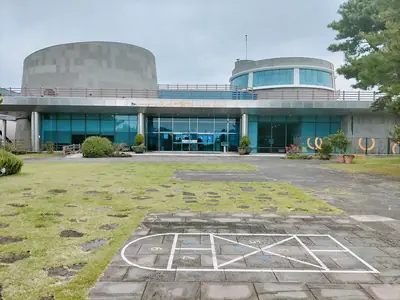
Jeju Museum of Art
Cheju Torip Misulgwan, also known as the Jeju Museum of Art, is dedicated to art and the cultural life of Jeju. Its work focuses on helping local residents deepen their appreciation of art and supporting the development of the island’s regional art culture.
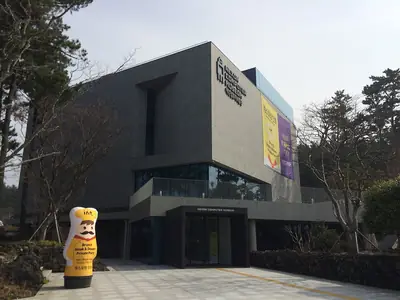
Nexon Computer Museum
The Nexon Computer Museum explores the history of computers and video games. It opened in Jeju City on July 27, 2013, and is described as Asia’s first computer museum and one of Korea’s earliest permanent museums devoted to this subject.
Its collection includes historic computers, consoles, arcade machines, software and other digital artefacts. Among the notable objects are an Apple I, the Altair 8800, the Commodore PET 2001 and the PC 5150. Many exhibits can be experienced directly, including games such as Space Invaders, Galaga and Prince of Persia.
Jeju Love Land
Jeju Love Land is an unusual outdoor sculpture park devoted to sexuality and erotic art. Opened in 2004, it presents a playful and provocative side of Jeju through 140 sculptures, interactive displays and hands-on exhibits, including the “masturbation cycle”.
Immaculate Conception Cathedral, Jeju
The Immaculate Conception Cathedral, also known locally as Jungang Cathedral, is the principal church of the Diocese of Jeju and follows the Roman, or Latin, rite. The Diocese of Jeju reached its current status in 1977, when Pope Paul the Sixth established it through the apostolic bull Munus Apostolicum. The cathedral is under the pastoral responsibility of Bishop Peter Kang U-il.
Jeju International Airport
Jeju International Airport is the main gateway to the island and is located in Jeju City. It serves domestic and international travellers, opened in 1968 and is also known as Jeju Island Airport. It is the home base of Jeju Air and is recognized as South Korea’s second-largest airport after Incheon.
Take a self-guided walking tour in Jeju with Neywo
Download Neywo and explore Jeju with a free audio guide that tells the story of each place as you reach it, at your own pace, with no group and no schedule. The app currently offers one walking tour in Jeju:
Treasure 322 to Tamna: Markets and Monuments of Old Jeju City is a 4.95-kilometre walk lasting 104 minutes, with six narrated stops. It connects Gwandeokjeong, Jeju Dongmun Traditional Market and Jeju National Museum, alongside other places in the historic city centre.
Neywo’s narration is available in 11 languages. Start the route when you are ready and let the app guide your walk through Jeju’s markets, monuments and history.
Places with an audio guide in Jeju
8 places in Jeju with a Neywo audio guide. Each one starts telling its story as you reach it.
Walk Jeju with Neywo
Neywo turns Jeju into a self-guided audio tour. Stories arrive as you reach the place they belong to, and the route reshapes when you wander off it.

