Things to Do in Uji, Japan: Walking Guide
Things to Do in Uji, Japan: Temples, Tea and The Tale of Genji
Uji is a historic city in Japan known for Byōdō-in Temple, its connection with green tea and the final chapters of The Tale of Genji. Its temples, shrines, museums and river landscapes make it a rewarding place to explore on foot, especially if you want to experience a quieter side of Japan. Neywo offers a free audio guide for Uji with 16 narrated places, available in 11 languages.
What to See in Uji
Byōdō-in Temple and the Phoenix Hall
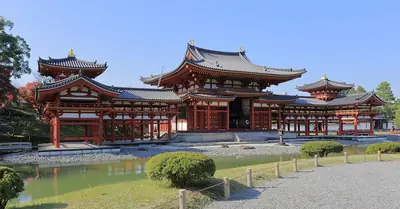
Byōdō-in Temple is one of Uji’s defining landmarks. Built during the late Heian period, it expresses the Buddhist vision of the Western Pure Land through its setting beside the Uji River and its elegant architecture.
The Phoenix Hall is the temple’s best-known building and a national treasure. Its rooflines suggest the wings of a phoenix, while the interior houses a statue of Amida Buddha, the Buddha of Infinite Light. The image of the Phoenix Hall is also familiar throughout Japan: it appears on the ten-yen coin.
Byōdō-in has maintained ties to both the Pure Land and Tendai traditions since the seventeenth century. Today, its affairs are managed in rotation by two subtemples.
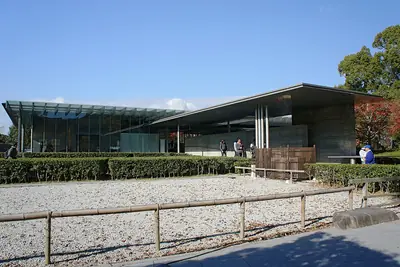
Byodo-in Museum Hoshokan
Located on the grounds of Byōdō-in, the Byodo-in Museum Hoshokan offers a closer look at the temple’s history and cultural treasures. It opened on March 1, 2001, as Japan’s first comprehensive registered museum operated by a religious corporation.
The museum is a useful complement to the temple visit, bringing together objects and information connected with Byōdō-in’s long heritage.
Uji History Museum
The Uji History Museum introduces the main themes that shape the city: tea, temples and literature. It offers a broad starting point for understanding Uji before visiting its individual landmarks.
For visitors interested in how the city’s religious, cultural and literary traditions fit together, the museum provides useful context.
Hashihime Shrine and Uji Bridge
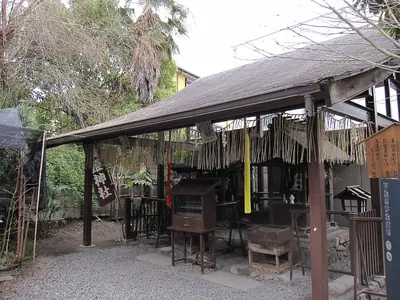
Hashihime Shrine is a small Shinto shrine associated with Uji Bridge, one of Japan’s oldest and most celebrated bridges. Its name means “the bridge princess”, and the shrine is connected with a haunting legend passed down through the centuries.
The shrine’s modest scale gives it an atmospheric quality. It is a place to pause and consider the stories that have accumulated around the bridge and the river.
The Tale of Genji Museum
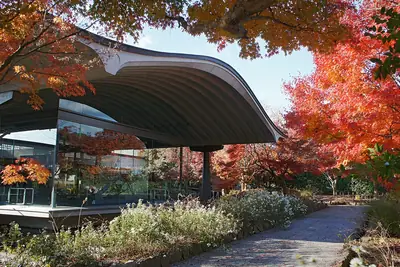
Uji has a special place in Japanese literary history because the final ten chapters of The Tale of Genji are set here. The Tale of Genji Museum explores this part of the story through projected images, models and immersive displays.
A scrim and life-size set recreate the world of the Uji chapters, while explanations introduce the main characters and storyline. That makes the museum accessible even if you have not read the novel. There is also a short film based on the Uji chapters and a library with books about The Tale of Genji.
The museum opened in 1998 and was renewed in September 2008 for its tenth anniversary.
Sawarabi no Michi
Sawarabi no Michi is a walking path named after a chapter of The Tale of Genji. The name refers to chapter 47, Agemaki, part of the final Uji section known as the Ten Chapters of Uji.
The chapter takes its name from a poem by Kaoru, one of the story’s characters. The image of a loosely tied hair ribbon becomes a symbol of a bond that has not yet been firmly formed. Walking this path connects Uji’s landscape with the literary world that made the city part of Japan’s cultural imagination.
Mount Asahi
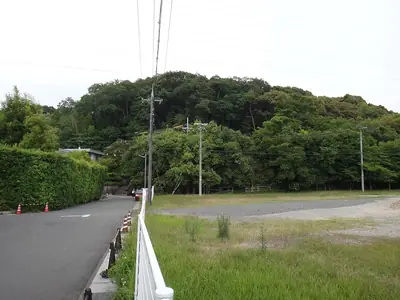
Mount Asahi rises 124 metres above the right bank of the Uji River, about one kilometre upstream from Uji Bridge. Though modest in height, it has historical significance: its summit is believed by some to be the burial place of Prince Uji no Wakiiratsuko, a son of Emperor Ojin.
A gravestone was erected at the summit in 1733 by Namikawa Goichiro. It stands just over a metre high on a two-tiered stone base. The route follows the Kotozaka path before joining the mountain trail southeast of Koryuji Temple; the walk to the gravestone takes about fifteen minutes.
Mimuroto-ji Temple
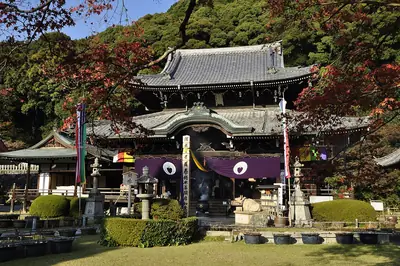
Mimuroto-ji is a Buddhist temple in the Uji countryside, associated with the Shugendō tradition and loosely connected with Tendai Buddhism. Its principal image is a hidden statue of the Thousand-Armed Kannon, which is not shown to the public.
The temple is also the tenth stop on the Saigoku Kannon Pilgrimage, a route linking 33 sacred sites across the region. Its gardens are a major attraction, with around 20,000 azaleas and 1,000 rhododendrons creating a striking display when they bloom.
Orii Shrine
Orii Shrine is a small, quiet Shinto shrine with a connection to Japan’s poetic heritage. Its grounds contain a monument inscribed with a poem by Prince Kadanohara, a figure from Japan’s classical literary tradition.
Ogura Shrine
Ogura Shrine is considered the family shrine of the ancient Ogura clan. According to tradition, the clan founded it by enshrining its ancestral deity, giving the shrine a history reaching back into Japan’s early past.
Ebisujima Shrine
Ebisujima Shrine recalls a landscape that has since changed. The area once formed part of Ebisujima, a small island in Oguraike, a large lake near the mouth of the Uji River.
The island was home to people working in fishing and river transport. Its position on the waterways helped the settlement grow, and it was once known as Ebisujima Senken, or “a thousand houses on Ebisu Island”.
Utoro Peace Memorial Museum
The Utoro Peace Memorial Museum tells the story of the Utoro district and the people who lived there. Its exhibitions focus on the neighbourhood’s history, the lives of its residents and the struggles they faced.
It offers a quieter, more reflective experience within Uji’s range of museums and cultural sites.
Exploring Uji with Neywo
Neywo’s Uji audio guide turns the city into a self-guided walking experience. Its single walking tour, “The Phoenix and the Princess: Uji from Byodo-in to The Tale of Genji”, covers 4.53 km in 118 minutes and includes 8 narrated stops: Uji History Museum, Orii Shrine, Byodo-in Museum Hoshokan, Byōdō-in Temple, Hashihime Shrine, The Tale of Genji Museum, Mount Asahi and Mimuroto-ji Temple.
Download Neywo and explore at your own pace. The app tells the story of each place as you reach it, with no group and no schedule.
Places with an audio guide in Uji
8 places in Uji with a Neywo audio guide. Each one starts telling its story as you reach it.

Self-guided tours in Uji
1 tour in Uji, free in the Neywo app. Each stop tells its story as you reach it.
- Walk
The Phoenix and the Princess: Uji from Byodo-in to The Tale of Genji
Uji was an aristocrat's retreat a thousand years ago and the setting for the last ten chapters of The Tale of Genji. Walk from the town museum to the Phoenix Hall of Byodo-in, cross to the Bridge Princess shrine and the Genji Museum, then climb Mount Asahi to a hillside temple of azaleas.
Uji History Museum · Orii Shrine · Byodo-in Museum Hoshokan · Byōdō-in Temple · Hashihime Shrine · The Tale of Genji Museum …
Open this tour: The Phoenix and the Princess: Uji from Byodo-in to The Tale of Genji
Walk Uji with Neywo
Neywo turns Uji into a self-guided audio tour. Stories arrive as you reach the place they belong to, and the route reshapes when you wander off it.

