Visiting Pingyao, China: Top Sights on Foot
Things to Do in Pingyao
If you’re wondering what to do in Pingyao, the walled old town offers a remarkably preserved glimpse into imperial China’s commercial and cultural life. Encircled by sturdy Ming‑Qing walls, its streets reveal traditional courtyard houses, historic banks, temples and bridges that together tell the story of a once‑thriving financial hub. Today, visitors can walk the same lanes where piaohao banks once issued drafts that reached as far as Mongolia and Russia.
Neywo offers a free audio guide for Pingyao with 12 narrated places.
Exploring Pingyao’s Historic Sites
Rishengchang (museum)
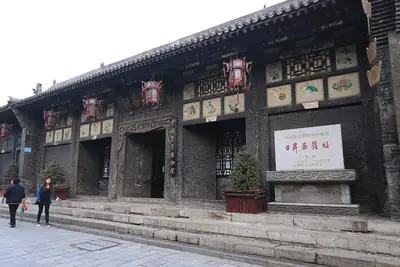
Rishengchang is remembered as China’s first draft bank. Its name means “Sunrise Prosperity,” and the former site lets you discover the beginnings of modern banking in China. Established in 1823 during the Qing Dynasty, it was a piaohao that issued drafts similar to money orders, and at its peak its branches stretched across China and into Mongolia, Japan and Russia.
City God Temple (museum)
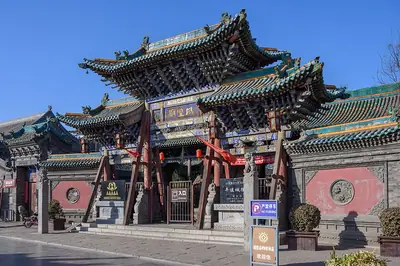
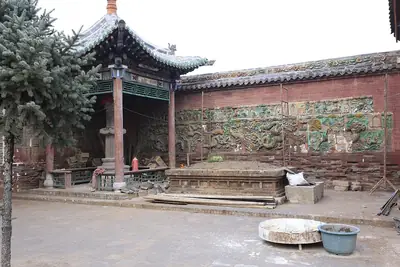
The City God Temple is a well‑preserved Taoist complex covering more than 7,300 square metres. It brings together three separate temples on a central axis flanked by additional religious buildings on both sides. Located on City God Temple Street, the site is a national key cultural relic protection unit, although its exact foundation date remains unknown.
Former Residence of Lei Lütai (museum)
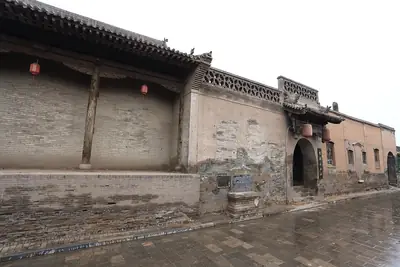
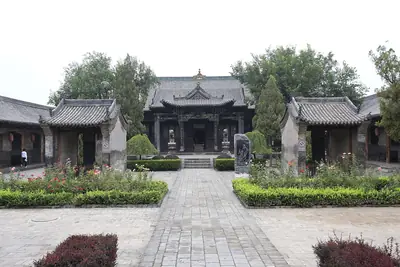
This was the home of Lei Lütai, the founder of Rishengchang. First built during the Daoguang period of the Qing dynasty, the residence is a traditional Pingyao dwelling with two main courtyards and two side courtyards. The main courtyard includes a south hall, a central hall, a principal house (Jinyuan Tower) that rises to two stories, and side rooms. The property was protected at county level in 1994, provincial level in 2004 and nationally in 2013.
Pingyao Confucian Temple (monument)
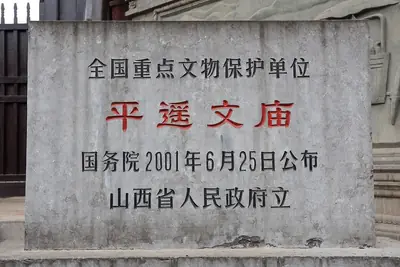
Situated on Chenghuangmiao Street in the southeast corner of the ancient city, the Confucian Temple is one of Pingyao’s most important landmarks. It was first established in the early Tang dynasty, making it the oldest surviving Confucian temple in China. The Dacheng Hall, rebuilt in 1163 during the Jin dynasty, is the only surviving Jin‑era building among China’s Confucian temples and features an unusual independent bracket structure. In 1997 the temple was included with Pingyao Ancient City and Shuanglin Temple on the World Heritage list.
Huiji Bridge (Pingyao) (attraction)
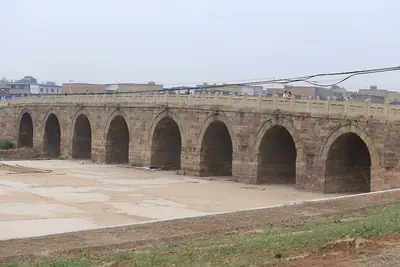
Just beyond the East Gate, Huiji Bridge crosses the Huiji River. Built in 1671 during the Kangxi Emperor’s reign, this arched stone bridge is supported by nine piers and measures about 80 metres long and 7.4 metres wide. It was designated a protected cultural site in Shanxi Province in 2004 and became a nationally protected cultural site in 2013.
Nanshen Temple (church)
Located in Gankeng Village, Nanshen Temple is dedicated to Guangming Bodhisattva. Although its original founding date is unknown, the temple was rebuilt during the Ming dynasty when it was known as Yeshufu Ren Temple and Yeshu Shrine, and later took its present name in the Qing dynasty. The complex faces south and includes the entrance gate, Hall of the Heavenly Kings, Guanyin Hall, Ksitigarbha Hall, Hall of Guangming Bodhisattva, a Stone Buddha Hall, a Chanting Hall and a Hall of the Three Saints. Ming and Qing dynasty inscriptions and a Ming stone scripture pillar survive on site.
Shuanglin Temple (church)
A short trip to Qiaotou village brings you to Shuanglin Temple, famed for its extraordinary collection of coloured clay statues. Founded during the Northern Wei period in the sixth century, it was renamed Shuanglin in the Northern Song dynasty. Most of the visible buildings date from Ming and Qing reconstructions. The complex contains ten major halls and around 2,052 coloured sculptures depicting Buddhas, bodhisattvas, arhats, heavenly kings and guardian figures, earning it the nickname “museum of coloured sculptures.”
Qingxu Guan (natural feature)
Just inside the Lower East Gate lies Qingxu Guan, also called Qingxu Temple. This large Taoist complex is one of the notable historic sites within the old city, though the source notes do not give further details about its layout or age.
Zhenguo Temple (church)
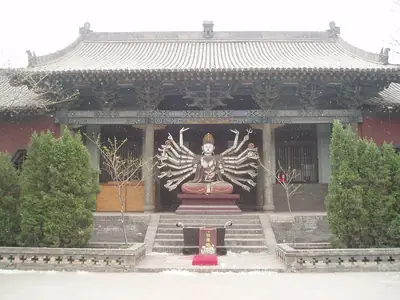
A little beyond Pingyao, Zhenguo Temple’s history stretches back more than a thousand years. Founded during the Northern Han period of the Five Dynasties, it was originally called Jingcheng Temple and received its present name during the Jiajing era of the Ming dynasty. The Wanfo Hall, built in 963, is the temple’s oldest surviving hall and is known for its enormous bracket sets that support the roof and projecting eaves. It is also one of the earliest surviving wooden buildings from the period between the Five Dynasties and the beginning of the Song dynasty, and its hall houses rare tenth‑century Buddhist sculptures.
Baiyun Temple, Liangjiatan (church)
Set on Baofeng Mountain in Liangjiatan Village, Baiyun Temple is built into the mountain slope beside a cliff. Originally known as Xiyu Temple and first established during the Tang dynasty, the surviving complex covers about 7,793 square metres and includes the mountain gate, Hall of the Heavenly Kings, Weituo Hall, Dizang Hall, Mahavira Hall, Guanyin Hall and Ancient Buddha Hall. The buildings follow the natural terrain, and in front of the mountain gate stand two old scholar trees and nine ancient cypress trees known as the Dragon and Phoenix Scholar Trees and the Nine Phoenixes Facing the Sun. On the eastern side a pagoda forest holds six burial towers belonging to eminent monks from different periods.
Longfu Temple, Nanzheng (church)
Longfu Temple in Nanzheng Village was founded in 1298, during the second year of the Dade era of the Yuan dynasty. It was rebuilt during the Ming dynasty and repaired again in 1800, during the fifth year of the Jiaqing era of the Qing dynasty. Arranged around a clear north‑to‑south axis, the complex is about 30 metres wide east‑to‑west and 99 metres long south‑to‑north. Moving northward along the axis you encounter a screen wall, the gate, the Hall of the Three Saints and the Hall of the Seven Buddhas. Arched cave dwellings flank the gate, with separate bell and drum towers above them. The main building, the Hall of the Seven Buddhas, is five bays wide and six rafters deep with a single hipped and gabled roof. The temple received county‑level heritage protection in 1982, provincial protection in 2004 and national protection in 2013.
Pingyao Catholic Church (church)
Standing at Anjia Street 2 in the southeastern corner of the ancient city, Pingyao Catholic Church was established in 1910 during the late Qing period. The site previously housed Wudao Temple, giving the location a layered religious history. The original European‑style brick and timber building was destroyed during the Cultural Revolution; the present church was rebuilt in 1984 using brick and concrete while retaining an east‑to‑west orientation. The chapel lies below a bell tower, and clergy housing was added on the north side around the same time.
Experience Pingyao with Neywo
Download the free Neywo app and let it guide you through Pingyao at your own pace. The app provides one walking tour – “Bankers, Gods and Sages: Inside Pingyao’s Walls” – which is 3.54 km long, takes about 112 minutes and includes six narrated stops: Former Residence of Lei Lütai, Rishengchang, City God Temple, Pingyao Confucian Temple, Qingxu Guan and Huiji Bridge. In total, Neywo’s audio guide for Pingyao features 12 narrated places, available in 11 languages. As you approach each site, the app tells its story automatically, with no group schedule or guide required.
If you’re planning more travels in China, you can explore other destinations from the country page China or consider nearby historic towns such as Lijiang, Shanghai and Guilin.
Places with an audio guide in Pingyao
8 places in Pingyao with a Neywo audio guide. Each one starts telling its story as you reach it.
Self-guided tours in Pingyao
1 tour in Pingyao, free in the Neywo app. Each stop tells its story as you reach it.
- Walk
Bankers, Gods and Sages: Inside Pingyao's Walls
Pingyao was the banking capital of Qing China, and its walled old town is still laid out as it was. Start at the home of the founder of China's first draft bank, visit Rishengchang itself, then pass the City God Temple, the oldest Confucian temple in China and the Taoist Qingxu Guan before crossing the Huiji stone bridge outside the East Gate.
Former Residence of Lei Lütai · Rishengchang · City God Temple · Pingyao Confucian Temple · Qingxu Guan · Huiji Bridge (Pingyao)
Open this tour: Bankers, Gods and Sages: Inside Pingyao's Walls
Walk Pingyao with Neywo
Neywo turns Pingyao into a self-guided audio tour. Stories arrive as you reach the place they belong to, and the route reshapes when you wander off it.

