What to See in Banda Aceh, Indonesia: Free Audio Guide
Things to Do in Banda Aceh: History, Mosques and Tsunami Memorials
The best things to do in Banda Aceh include visiting powerful tsunami memorials, historic mosques and museums devoted to Acehnese culture. The capital of Aceh, at the northern tip of Sumatra, is a city shaped by the history of the Aceh Sultanate, strong Islamic traditions and the determination of communities rebuilt after the 2004 Indian Ocean tsunami. Neywo has a free audio guide for Banda Aceh with 14 narrated places, available in 11 languages.
What to See in Banda Aceh
Aceh Tsunami Museum
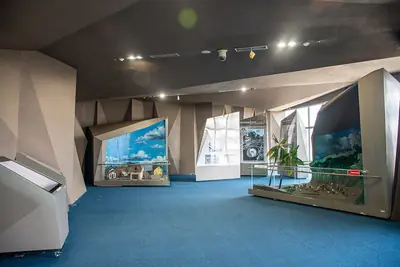
The Aceh Tsunami Museum is one of the most important places to visit in Banda Aceh. It commemorates the earthquake and tsunami of December 26, 2004, while honoring those who died and the communities whose lives changed forever.
The museum was built as a symbolic monument. Construction began and ended in 2008, it was inaugurated in 2009 and opened to the public in 2011. Its exhibitions focus not only on loss, but also on survival, reconstruction and preparedness for the future. Allow time for a thoughtful visit: this is a place of remembrance as much as a museum.
Aceh Museum
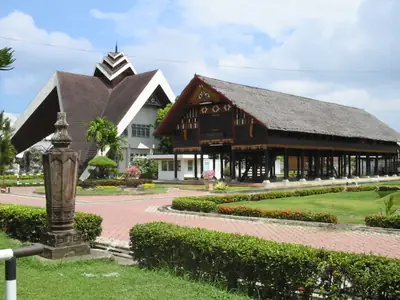
For an introduction to Acehnese culture, visit the Aceh Museum, also known locally as Museum Aceh. Founded in 1915 during the Dutch colonial period, it began with a traditional Acehnese stilt house, the Rumoh Aceh. That house remains the centrepiece of the museum grounds and offers a direct introduction to the region’s traditional architecture.
Inside, more than six thousand historical objects are arranged in ten categories. The collections cover subjects including archaeology, historical artefacts, ceramics, numismatics, philology, fine arts and technology. Traditional weapons, ceremonial clothing, ancient manuscripts and everyday objects help explain the customs and traditions of the Acehnese people.
Baiturrahman Grand Mosque
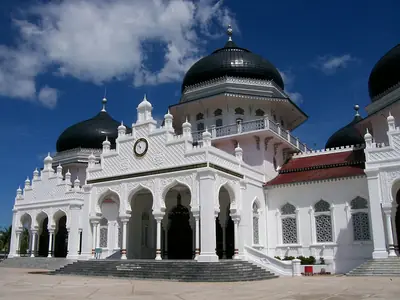
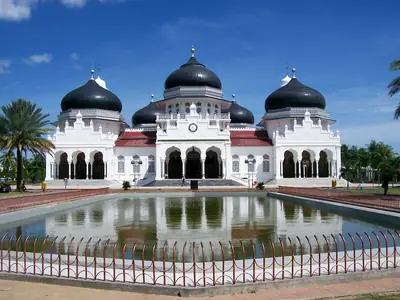
Baiturrahman Grand Mosque is the architectural symbol of Banda Aceh and a central expression of the city’s religious heritage. The original mosque was built in 1612 during the reign of Sultan Iskandar Muda, but it was destroyed in 1873 during the First Aceh Expedition. The Dutch built the present mosque in 1879, initially as an attempted gesture of reconciliation.
Its design follows Mughal architectural traditions. When it opened in 1881, it had one dome and one minaret. After several expansions, the mosque now has seven domes and eight minarets, rising above a spacious courtyard with reflecting pools.
The mosque survived the 2004 earthquake and tsunami with only light damage. It subsequently became a refuge for thousands of displaced people, giving the building an even deeper meaning for the people of Aceh. Its white walls, dark domes and tall minarets make it one of the essential sights in Banda Aceh.
Aceh Sultanate
Banda Aceh was the historic capital of the Aceh Sultanate, one of Southeast Asia’s major Islamic kingdoms. The sultanate was founded in the late fifteenth century, and its first ruler, Sultan Ali Mughayat Syah, took the throne on September 8, 1507. It lasted until 1903.
During its most influential period, from 1607 to 1636, the sultanate was a centre of politics, trade and diplomacy. Its position in northern Sumatra helped connect it with international commerce, while its Islamic culture attracted scholars from across the region. Understanding this history adds context to Banda Aceh’s mosques, museums and continuing religious traditions.
Museum Ali Hasjmy
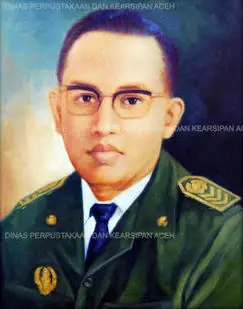
The Museum Ali Hasjmy stands on the campus of the Ar-Raniry State Islamic University. It commemorates Ali Hasjmy, an Acehnese intellectual, leader and freedom fighter who later became Governor of Aceh.
The museum was opened in 1991 by Minister Emil Salim and is divided into four main rooms. Its collections include Hasjmy’s personal book donations, historical archives and displays tracing his work in journalism, academia and public service. It offers a more personal perspective on Aceh’s modern history.
Museum UIN AR-RANIRY Banda Aceh
This university museum was created to gather, preserve and display historically valuable objects. Its collections are intended for study, education and tourism, giving visitors another way to connect with the history represented in Banda Aceh’s institutions and communities.
Pusat Dokumentasi dan Informasi Aceh
The Pusat Dokumentasi dan Informasi Aceh, or PDIA, is dedicated to collecting and preserving the written history of Aceh. It was created through a partnership between the Aceh government and Syiah Kuala University, established in March 1977 and officially opened the following July.
Its original collection was destroyed by the tsunami on December 26, 2004. With support from the Reconstruction and Rehabilitation Agency, the centre rebuilt its holdings from nothing. Now located in the Aceh Museum Complex and funded by the Aceh government, it once again holds hundreds of thousands of items, including books, manuscripts, official records and pamphlets.
Apung 1
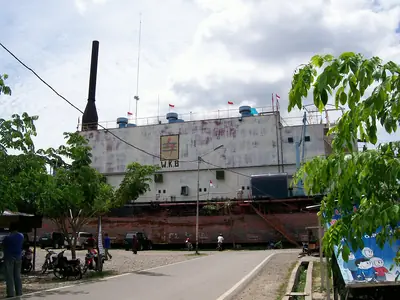
Apung 1, also known as Kapal Apung, is a former floating diesel power plant that became one of Banda Aceh’s most unusual landmarks. Originally called PLTD Apung 1, the vessel belonged to Indonesia’s state electricity company, PLN.
The ship covers about 1,900 square metres and is 63 metres long. Its industrial scale makes it a striking place to visit, while its transformation from working power plant into a tourist attraction connects it to the city’s story of destruction and recovery.
Baiturrahim Mosque
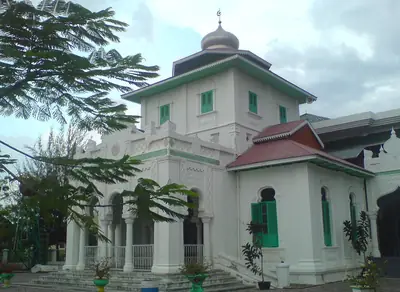
Baiturrahim Mosque stands in Ulee Lheue and dates back to the seventeenth century, during the era of the Aceh Sultanate. When Baiturrahman Grand Mosque caught fire during the 1873 uprising against Dutch colonial forces, Baiturrahim opened its doors to displaced worshippers.
The original mosque was built from wood. The building seen today was reconstructed in 1922 using brick and cement, without an iron or steel framework. Its long history and role as a sanctuary make it an important religious landmark beyond the city centre.
Oman Mosque Banda Aceh
Oman Mosque is known for its domes, minarets and Middle Eastern architectural influence. The original building was completed in 1979 and named Baitul Makmur. The 2004 earthquake and tsunami severely damaged it, after which the Government of Oman funded its reconstruction.
Rebuilding began in 2006 and finished in 2008. Arches, decorative details and soaring minarets give the mosque a distinctive appearance and make it one of Banda Aceh’s most prominent religious buildings.
Gereja Katolik Hati Kudus
Gereja Katolik Hati Kudus, or the Sacred Heart Catholic Church, is in the Kuta Alam district. The parish was established in 1877 by Henricus Christian Verbraak, and the present building was completed on February 5, 1884. It has remained a Christian spiritual landmark in Banda Aceh for well over a century.
Explore Banda Aceh with Neywo
A Banda Aceh self-guided walking tour is a practical way to connect the city’s museums, mosques and tsunami landmarks. Neywo’s walking tour, “Sultans, Mosques and the Day the Sea Came,” covers 3.91 km in about 89 minutes and includes six narrated stops: Gereja Katolik Hati Kudus, Aceh Museum, Baiturrahman Grand Mosque, Aceh Sultanate, Aceh Tsunami Museum and Apung 1.
Download Neywo and explore without joining a group or following a schedule. The app tells the story of each place as you reach it, at your own pace, so you can experience Banda Aceh independently while walking through the city. Banda Aceh is part of Indonesia, a country with many other destinations to discover.
Places with an audio guide in Banda Aceh
8 places in Banda Aceh with a Neywo audio guide. Each one starts telling its story as you reach it.

Self-guided tours in Banda Aceh
1 tour in Banda Aceh, free in the Neywo app. Each stop tells its story as you reach it.
- Walk
Banda Aceh: Sultans, Mosques and the Day the Sea Came
Banda Aceh was the capital of a sultanate that resisted European rule for four centuries, and it was the city hit hardest by the 2004 tsunami. Walk from the Dutch-built Grand Mosque through the Aceh Museum and its traditional stilt house to the tsunami museum that doubles as an evacuation shelter, ending at the power-plant ship that the wave carried inland.
Gereja Katolik Hati Kudus · Aceh Museum · Baiturrahman Grand Mosque · Aceh Sultanate · Aceh Tsunami Museum · Apung 1
Open this tour: Banda Aceh: Sultans, Mosques and the Day the Sea Came
Walk Banda Aceh with Neywo
Neywo turns Banda Aceh into a self-guided audio tour. Stories arrive as you reach the place they belong to, and the route reshapes when you wander off it.

