What to See in Palembang, Indonesia: Free Audio Guide
Things to Do in Palembang: History, Mosques and the Musi Riverfront
The best things to do in Palembang include exploring riverside heritage, learning about the Sriwijaya Kingdom, visiting museums and admiring distinctive religious architecture. As the capital of South Sumatra, Palembang brings together the history of maritime Southeast Asia, the traditions of the Palembang Sultanate and a living urban culture shaped by the Musi River. Neywo has a free audio guide for Palembang with 14 narrated places, so you can discover the city while you walk.
Palembang is one of the most historically layered cities in Indonesia. Its sights range from Chinese colonial-era houses and royal museums to textiles, monumental mosques and the modern sporting complex at Jakabaring.
What to see in Palembang
Kampung Kapitan
Kawasan Cagar Budaya Kampung Kapitan lies beside the Musi River, on the western side of Ampera Bridge, in the Tuju Ulu area. It was the first residential area for Chinese residents in this part of Palembang during the Dutch colonial period.
The settlement dates from 1644. Its name refers to the three officer houses found there, which remain more than preserved monuments: the historic buildings are still inhabited today. Kampung Kapitan offers a particularly direct way to see how Palembang’s heritage remains part of everyday life.
Sultan Mahmud Badaruddin II Museum
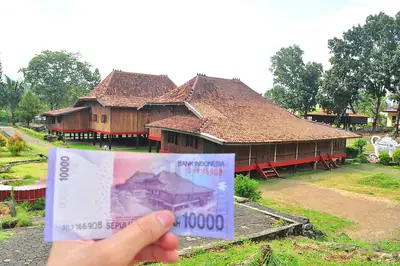
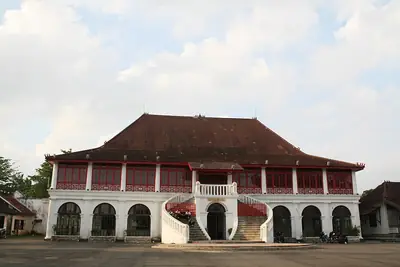
The Sultan Mahmud Badaruddin II Museum occupies a nineteenth-century building that once served as the office of the colonial resident of South Sumatra. Its collections reflect the heritage of the Palembang Sultanate and include archaeological, ethnographic, biological and artistic objects.
The museum also holds an important collection of currencies. It stands in the former area of Kuto Lama, also known as Kuto Tengkuruk or Kuto Batu, and is named after Sultan Mahmud Badaruddin II, remembered for defending the sovereignty of the Palembang Sultanate.
Great Mosque of Palembang
The Great Mosque of Palembang, also known as the Sultan Mahmud Badaruddin I Great Mosque, is the city’s main mosque and one of its most important landmarks. Founded in the eighteenth century by Sultan Mahmud Badaruddin I Jayo Wikramo, it occupies a 15,400-square-metre complex in the 19 Ilir area.
Its full name is Masjid Agung Sultan Mahmud Badaruddin I Jayo Wikramo. The mosque is the largest in South Sumatra and is described as the third-largest mosque on Sumatra, after the Grand Mosque of West Sumatra and the Great Mosque of Pekanbaru.
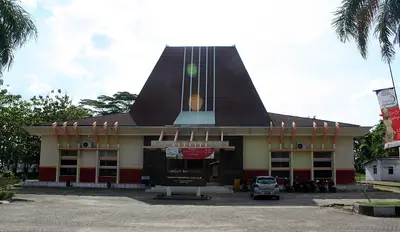
Perjuangan Rakyat Sumatera Bagian Selatan Monument Museum
The Perjuangan Rakyat Sumatera Bagian Selatan Monument Museum, commonly known as Museum Monpera, stands at Jalan Merdeka Number 1 in 19 Ilir, within Ilir Barat I District. It is managed by the Palembang City Tourism and Culture Office and focuses on the history represented by the monument and museum.
Songket Museum
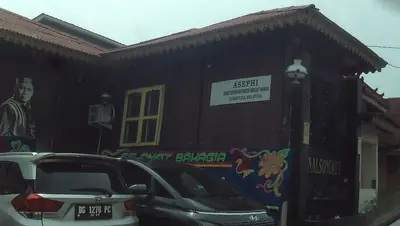
The Songket Museum offers an introduction to songket, the distinctive Malay textile associated with Palembang. Its collections preserve the textile heritage of South Sumatra and the traditions connected with this important local craft.
A visit here adds cultural context to Palembang’s historic buildings: songket is not only a regional textile, but also part of the visual identity of the city.
South Sumatra Provincial Textile Museum
The South Sumatra Provincial Textile Museum continues the focus on the region’s textile traditions. Its collections preserve historical legacies connected with textiles in South Sumatra and provide another perspective on the materials and skills that form part of the province’s cultural heritage.
Cathedral of St. Mary
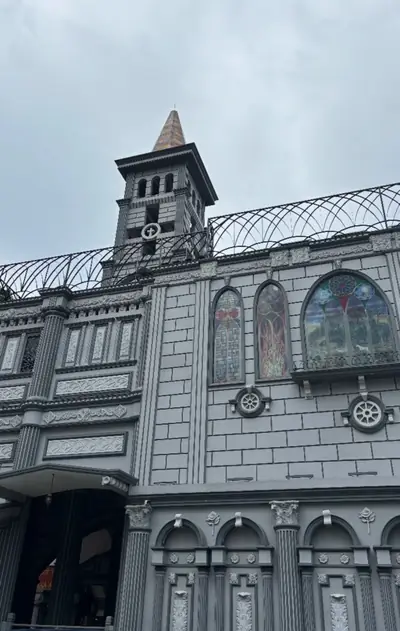
The Cathedral of St. Mary, or Gereja Katedral Santa Maria, combines Neo-Gothic design with local Palembang traditions. This Catholic cathedral is one of the city’s important religious landmarks.
Look for the miniature of Ampera Bridge and the Songket motifs carved into the walls. The church was designed by architect Giovanny Kesaulya, and its new building was inaugurated in March 2023 by Archbishop Piero Pioppo, the Apostolic Nuncio of the Holy See to Indonesia.
Balaputradeva Museum
Balaputradeva Museum, also known as Museum Balaputera Dewa, is the state museum of South Sumatra Province. Its collections cover the region from prehistoric times through the Srivijaya Kingdom, the Palembang Sultanate and the Dutch colonial period.
The museum began construction in 1978 and officially opened on November 5, 1984. As an ethnographic museum, it is a useful place to understand the long history and traditions of South Sumatra.
Sriwijaya Museum
The Sriwijaya Museum preserves surviving traces of the Sriwijaya Kingdom and the civilization it produced. Its collections include archaeological objects, ceramics and coins, as well as inscriptions, statues, stupas and beads.
The museum also displays remains of a ship, including broken wood and its rudder. One vessel represented in the collection measures 8.2 metres, giving a sense of the scale of Sriwijaya’s seafaring heritage. Together, the monumental objects, everyday materials and fragile remains explain the kingdom’s legacy through archaeology and maritime history.
Bayt Al-Qur’an Al-Akbar
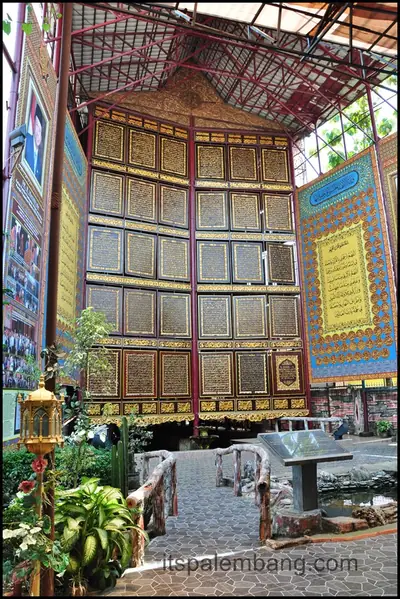
Bayt Al-Qur’an Al-Akbar, also known as the Giant Qur’an Museum, is located at Pondok Pesantren Al Ihsaniyah in Gandus. It presents all thirty juz, or sections, of the Qur’an in a Palembang style, carved into sheets of tembesu wood.
The scale of the work is striking. The wooden sheets measure about 177 by 140 centimetres and are 2.5 centimetres thick. Including the cover, the complete work reaches a total thickness of nine metres. The Museum Rekor Indonesia recognised it as the largest and heaviest Qur’an in the world. The museum’s renovation was completed in 2022, and the site also includes a souvenir shop.
Muhammad Cheng Hoo Mosque
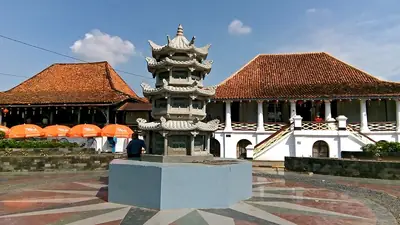
The Muhammad Cheng Hoo Mosque stands in the Jakabaring complex. Also known as Masjid Raya Cheng Hoo Palembang or Masjid Sriwijaya, it brings together Chinese Muslim identity with Palembang and Indonesian traditions.
Its architecture combines Chinese, Malay and Indonesian elements. The complex also includes a residence for the imam and surrounding fences, extending the architectural concept beyond the prayer hall. Construction began in 2003, and the mosque was inaugurated in 2006. Its name honors Zheng He, the Chinese Muslim admiral.
Gelora Sriwijaya Stadium
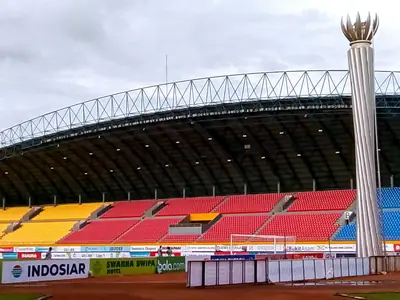
Gelora Sriwijaya Stadium, also known as Jakabaring Stadium, is a multi-purpose venue within the Jakabaring Sport City complex. It can hold 23,000 spectators and is now used mostly for football matches.
The stadium was built between 2001 and 2004 for the 2004 Indonesia National Games. It also hosted the third-place playoff of the 2007 AFC Asian Cup, while the football club Sriwijaya is based there.
Dr. A. K. Gani Museum
The Dr. A. K. Gani Museum preserves historical objects connected with Dr. A. K. Gani, a leader and freedom fighter during Indonesia’s independence era. Established in 1951, it was created to collect, display and preserve objects connected with his life.
The museum stands at Jalan Mangkunegara Number 1, in Sako, Palembang. It offers a focused look at one of the figures associated with Indonesia’s independence history.
Explore Palembang with a free audio guide
For a Palembang self-guided walking tour, download Neywo and explore without joining a group or following a fixed schedule. The app has one walking tour in Palembang: Sultans, Songket and the Musi Riverfront, a 5.52-kilometre route lasting 112 minutes with six narrated stops.
The walk includes the Cathedral of St. Mary, Songket Museum, Great Mosque of Palembang, Perjuangan Rakyat Sumatera Bagian Selatan Monument Museum, Sultan Mahmud Badaruddin II Museum and Kampung Kapitan. Each story plays as you reach the place, at your own pace, with no group and no schedule. Narration is available in 11 languages.
Download Neywo and turn your visit into a free walking tour of Palembang, with the city’s history told as you discover it.
Places with an audio guide in Palembang
8 places in Palembang with a Neywo audio guide. Each one starts telling its story as you reach it.
Self-guided tours in Palembang
1 tour in Palembang, free in the Neywo app. Each stop tells its story as you reach it.
- Walk
Sultans, Songket and the Musi Riverfront
Follow the story of Palembang from a Neo-Gothic cathedral stitched with local songket patterns to the songket museum and the grand mosque of the Sultan. Continue past the sultanate museum and the old resistance monument to Kampung Kapitan, the 1644 Chinese quarter on the Musi River where the officers' houses are still lived in.
Cathedral of St. Mary · Songket Museum · Great Mosque of Palembang · Perjuangan Rakyat Sumatera Bagian Selatan Monument Museum · Sultan Mahmud Badaruddin II Museum · Kawasan Cagar Budaya Kampung Kapitan
Open this tour: Sultans, Songket and the Musi Riverfront
Walk Palembang with Neywo
Neywo turns Palembang into a self-guided audio tour. Stories arrive as you reach the place they belong to, and the route reshapes when you wander off it.

