Visiting Saga, Japan: Top Sights on Foot
Things to Do in Saga: Museums, Shrines and Castle-Town History
Looking for things to do in Saga? Saga City, the capital of Saga Prefecture in northwestern Kyushu, offers museums, historic places of worship, archaeological remains and cultural venues connected with the region’s history and craftsmanship. A visit is a chance to explore a quieter side of Japan, shaped by the former Saga Domain and its links to the Nabeshima family.
Neywo has a free audio guide for Saga with 19 narrated places. Its stories are available in 11 languages and play as you reach each place.
What to See in Saga
The best way to explore Saga is to combine its museums with its historic religious sites and green spaces. These are some of the city’s most important places to include in your visit.
Chōkokan
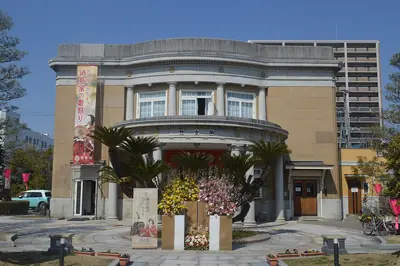
Chōkokan is a museum devoted to the history and artistic heritage of Saga Domain and the Nabeshima family. The building dates from 1927 and is a Registered Tangible Cultural Property. The museum opened that year, founded by Nabeshima Naomitsu, the son of Nabeshima Naohiro, the last daimyō of Saga Domain in Hizen Province.
After closing in 1945, Chōkokan reopened in 1998 under the Nabeshima Hōkokai Foundation. Its collection includes the oldest surviving Saibara score, designated a National Treasure.
Saga Balloon Museum
The Saga Balloon Museum in Matsubara is dedicated to hot-air balloons. It is the first permanent museum of its kind in Japan, making it one of the city’s distinctive cultural attractions.
Higashimyō Site
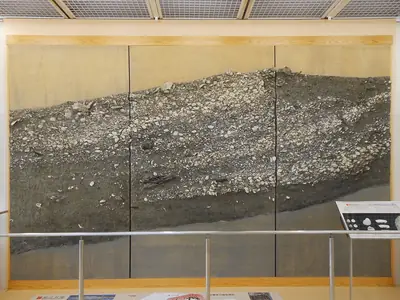
The Higashimyō Site preserves the remains of a settlement and shell mound from the late Early Jōmon period. Located in the Chifu area of Saga City’s Kinryū neighborhood, it is a lowland wetland archaeological site.
The waterlogged conditions preserved organic objects that would normally disappear, including some of the oldest woven baskets, combs and wooden plates discovered in Japan. The site became a National Historic Site of Japan in 2016.
Saga Prefectural Museum and Saga Prefectural Art Museum
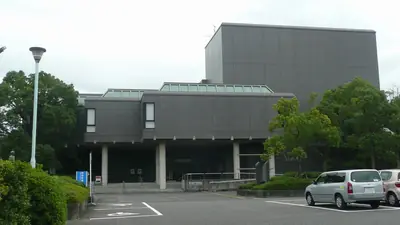
The Saga Prefectural Museum stands on the sannomaru site of Saga Castle and brings together the natural, historical and creative story of the prefecture. Its subjects include natural history, archaeology, local history, art, craft and folklore.
The museum opened in 1970. One notable display is a model of a Tyrannosaurus rex, donated by the National Museum of Nature and Science in the 1970s and said to have inspired the design of the original Godzilla.
Next door, the Saga Prefectural Art Museum provides a dedicated space for art. It opened in 1983 as part of celebrations marking the centennial of the establishment of Saga Prefecture. A passage connects the two institutions, so they can be experienced as part of one museum visit.
Saga University Art Museum
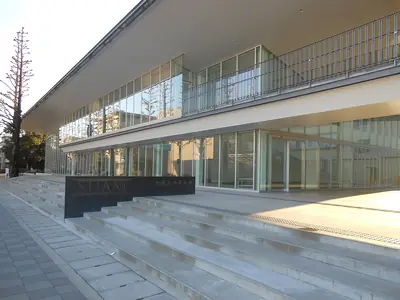
The Saga University Art Museum, also known as Saga Daigaku Bijutsukan, is located on Saga University’s Honjo Campus in Honjo-machi. It adds another art-focused stop to a visit centred on Saga’s museums and cultural institutions.
Kōno Park
Kōno Park, also called Kōno Kōen, is an urban district park in Kōnozono, Saga City. It is also listed by the Japanese name こども遊園地, meaning “children’s amusement park.”
Yoka Shrine
Yoka Shrine is a Shinto place of worship in Saga City. Its name may also appear as Yoka Jinja, and its Japanese names include 與賀神社 and 与賀神社. Its former official shrine rank was that of a prefectural shrine.
Saga Shrine
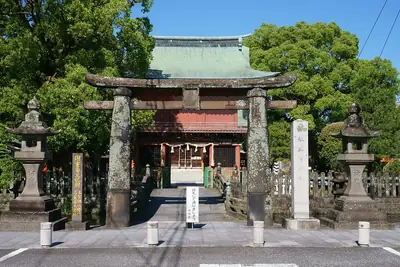
Saga Shrine, or Saga-jinja, is one of the city’s notable Shinto shrines. It holds the formal historical status of a Beppyo-kanpei-sha.
The shrine belongs to a tradition that developed from the late Edo period into the Meiji period, when shrines were established in different regions to enshrine the founders of local domains. Saga Shrine is one example of this tradition.
Kōden-ji Temple
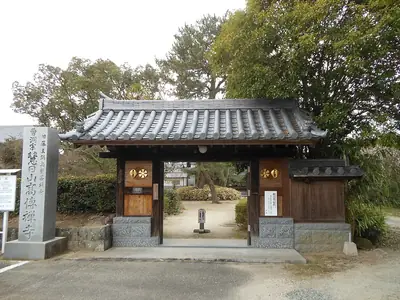
Kōden-ji is a Sōtō Zen Buddhist temple dedicated to Bhaiṣajyaguru Buddha. It is also known for its plum blossoms.
The temple served as the bodaiji, or family temple, of the Ryūzōji and Nabeshima clans. Many members of these ruling families are buried within the temple grounds.
Ushijima Tenmangū
Ushijima Tenmangū is a Shinto shrine whose identity is closely connected with Sugawara no Michizane, the figure it enshrines. It offers another opportunity to encounter Saga’s local religious heritage.
Nan’nyo Shrine and Manju-ji Temple
Nan’nyo Shrine, known in Japanese as 男女神社, is a local Shinto place of worship connected with the surrounding community.
Manju-ji Temple, or 万寿寺, is a Buddhist temple belonging to the Rinzai school. Together, these sites show the variety of religious places found across Saga City.
Saga City Cultural Hall
Saga City Cultural Hall, also known by the nickname Sunrise Tower, is a municipal concert hall. It hosts orchestral performances, opera and other cultural events.
A Saga Self-Guided Walking Tour
Neywo’s Saga, Castle Town of the Nabeshima Lords is a 4.85-kilometre walking tour lasting about 115 minutes, with eight narrated stops. The route includes Saga University Art Museum, Yoka Shrine, Saga Prefectural Art Museum, Saga Prefectural Museum, Chōkokan, Saga Shrine, 万部塔 and Ushijima Tenmangū.
Saga’s position within Japan makes it an appealing stop for travellers exploring the country beyond its largest cities. The walking route focuses on the city’s museums, shrines and traces of its former castle-town character.
Explore Saga with Neywo
Download Neywo and explore Saga with one walking tour covering 4.85 km in around 115 minutes, with eight narrated stops. The app tells the story of each place as you reach it, at your own pace, with no group and no schedule.
Saga’s free audio guide includes 19 narrated places, with narration available in 11 languages. It lets you connect the city’s museums, temples and shrines while discovering the stories along the way.
Places with an audio guide in Saga
8 places in Saga with a Neywo audio guide. Each one starts telling its story as you reach it.

Self-guided tours in Saga
1 tour in Saga, free in the Neywo app. Each stop tells its story as you reach it.
- Walk
Saga, Castle Town of the Nabeshima Lords
Follow the old castle-town of the Nabeshima family, from the prefectural museums on the grounds of Saga Castle to the shrine that honours the domain's founders. See a T. rex said to have inspired Godzilla, the 1927 Chokokan museum and the eleven monuments of Manbuto.
Saga University Art Museum · Yoka Shrine · Saga Prefectural Art Museum · Saga Prefectural Museum · Chōkokan · Saga Shrine …
Open this tour: Saga, Castle Town of the Nabeshima Lords
Walk Saga with Neywo
Neywo turns Saga into a self-guided audio tour. Stories arrive as you reach the place they belong to, and the route reshapes when you wander off it.

