Things to Do in Fethiye, Turkey: Walking Guide
Things to Do in Fethiye: Ancient Sites, Coastal Landscapes and Lycian History
Fethiye is a coastal city in southwestern Turkey, where Mediterranean scenery meets the legacy of ancient Lycia. The best things to do in Fethiye include exploring archaeological sites, visiting abandoned villages, discovering a local museum and walking sections of one of the world’s best-known long-distance trails. Neywo has a free Fethiye audio guide with six narrated places, available in 11 languages.
What to See in Fethiye
The city and its surroundings bring together several layers of history, from discoveries dating back to 3000 BC to abandoned settlements and ancient routes through the Teke Peninsula.
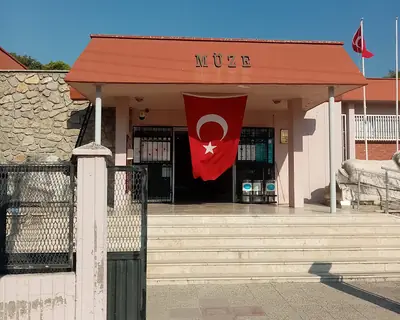
Fethiye Museum
Fethiye Museum, known locally as Fethiye Müzesi, introduces the history of Fethiye and the surrounding districts through archaeological discoveries. Its collection covers the period from 3000 BC through the Late Ottoman era, bringing together finds from Dalaman, Fethiye, Ortaca, Köyceğiz and Seydikemer.
The museum began operating in 1962. Inside, the exhibits are arranged chronologically across two main halls, making it possible to follow the changing cultures and historical periods represented in the collection.
Fethiye Kalesi
Fethiye Kalesi, also known as the Castle of Fethiye, is a distinctive historic-looking landmark in Fethiye District. The site is associated with a castle and fortress, adding another layer to the city’s historical character.
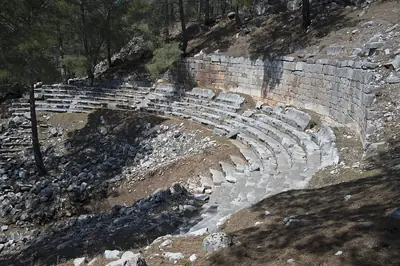
Kadyanda
Kadyanda, also called Cadyanda, is an ancient Lycian settlement built high on a hillside. Its elevated setting gives the archaeological site the appearance of an eagle’s nest, making the landscape an important part of the visit.
The city’s history reaches back to the fifth century BC. Kadyanda was discovered by the British archaeologist and traveller Charles Fellows. A decree of Pixodarus, now held in the British Museum, records the Lycian name of the town as Xadawãti.
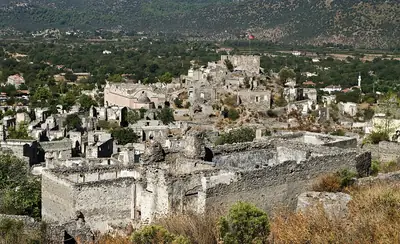
Kayaköy
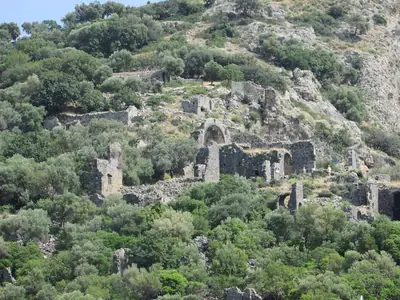
South of Fethiye, the Ruins of Kayaköy form a largely deserted former village. The quiet, abandoned character of the settlement is central to its atmosphere.
Kayaköy was once known as Levissi. Over the centuries, its name passed through several Greek forms, including Karmilissos, Lebessos and Leivissi, the modern Greek name used by its inhabitants before the compulsory migration of 1923. Walking among the remains offers a direct encounter with the area’s more recent history.
The Lycian Way
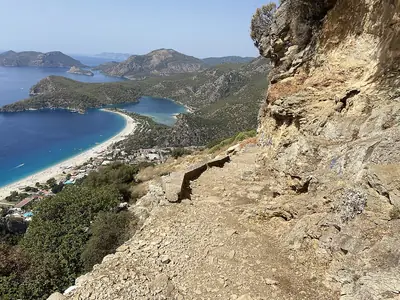
The Lycian Way, or Likya Yolu in Turkish, is a marked long-distance hiking trail that begins near Fethiye and follows paths through the region of ancient Lycia towards Antalya. Red and white markings guide walkers along old paths across the Teke Peninsula.
These routes once served for trade, military movement and the transport of people and animals. The modern trail takes its name from the Lycian civilization that ruled the region in antiquity.
The route connects natural landscapes with archaeological history. Its highlights include the view of Gelidonya Lighthouse, chosen as Turkey’s most beautiful view in 2007, and the area near American Bay, where an underwater excavation brought an entire ship to the surface. The trail is also connected with the Stadiasmus Patarensis inscription, which lists roads and cities in the region and records that Lycia became a Roman province in the year 43.
Gemiler Island
Gemiler Island, also known as Gemile Island, lies just off the coast near Fethiye. The island, Gemile Bay and Gemile Beach together form a first-degree natural protected area.
Several churches built between the fourth and sixth centuries AD remain on the island, alongside associated buildings. Archaeologists believe Gemiler Island may have been the site of the original tomb of Saint Nicholas. Its Turkish name, Gemile, comes from the Greek word for camel, referring to the island’s geographical shape.
Fethiye’s Coastal Setting and Local Life
Fethiye’s appeal extends beyond its historical sites. The city combines a Mediterranean bay, forested hills, coves and clear blue water with the everyday atmosphere of a Turkish coastal town. Fishing boats, cafés, restaurants, markets and marinas contribute to its lively waterfront character.
The surrounding coastline also makes Fethiye a base for discovering nearby landscapes. The Blue Lagoon at Ölüdeniz and the cliffs of Butterfly Valley are among the area’s best-known coastal settings, while boat trips, swimming and sailing are part of the region’s seaside lifestyle.
Food is another part of the local experience. Fresh seafood, regional meze, grilled dishes and Turkish breakfast specialties reflect Fethiye’s coastal setting and Turkish traditions.
Explore Fethiye with Neywo
Download Neywo’s free audio guide to Fethiye and discover six narrated places as you move through the city and its surroundings. The app tells the story of each place as you reach it, at your own pace, with no group and no schedule. Narration is available in 11 languages.
A self-guided visit lets you combine Fethiye’s museum, fortress, Lycian heritage and coastal archaeological sites according to your own rhythm.
Places with an audio guide in Fethiye
5 places in Fethiye with a Neywo audio guide. Each one starts telling its story as you reach it.
Walk Fethiye with Neywo
Neywo turns Fethiye into a self-guided audio tour. Stories arrive as you reach the place they belong to, and the route reshapes when you wander off it.

