Visiting Nagano, Japan: Top Sights on Foot
Things to Do in Nagano: Temples, Museums and Mountain Heritage
Nagano is a city in central Japan shaped by its Buddhist heritage, mountain setting and connection with the 1998 Winter Olympics. From the historic temple-front town around Zenkoji to Matsushiro’s samurai-era sites and museums devoted to art, nature and local history, there are plenty of things to do in Nagano. Neywo offers a free audio guide for Nagano with 39 narrated places, so you can explore while the story unfolds around you.
Nagano is the capital of Japan’s mountainous Nagano Prefecture, also known as Shinshu. The prefecture includes major parts of the Hida, Kiso and Akaishi Mountains, and nine of Japan’s twelve highest mountains are found here. Nagano City developed as a temple-front town around Zenkoji, a connection that still gives the city much of its character.
What to see in Nagano
Zenkoji and the historic temple landscape
Zenkoji is at the centre of Nagano’s history and urban identity. The city grew around this major religious site, and several temples and shrines form part of the surrounding religious landscape.
Jūnen-ji Temple, also known as Juneji, stands in Nishigocho in Minami-Nagano. It belongs to the Jōdo-shū sect of Buddhism and is sometimes included among the Seven Temples of Zenkōji. Its mountain name is Shiunzan, while its temple name is Yoritomoin.
Mujō-in Temple, also known as Nakamikidō, is a Buddhist temple dedicated to Amitābha Buddha. Shōgaku-in Temple in Amori is dedicated to Vairocana, known here as Dainichi Nyorai, its principal image.
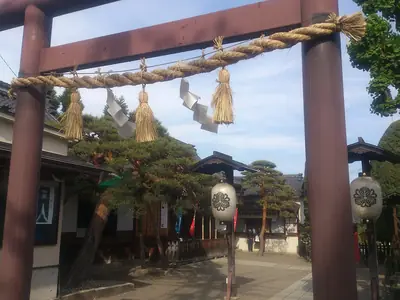
Nishinomiya Shrine, also known as Daihongan, is a Shinto shrine in Nagano. Yubuku Shrine, or Yubuku Jinja, stands in Hakoshimizu and forms part of the religious landscape associated with Zenkoji Temple.
Nagano Prefectural Art Museum
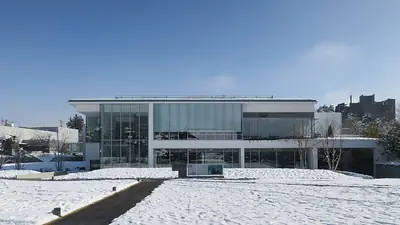
Set within Jōyama Park on the eastern side of Zenkoji, the Nagano Prefectural Art Museum explores the relationship between art and the landscapes of the prefecture. Its main building focuses on artists from the region and paintings of Nagano’s scenery.
The Higashiyama Kaii Gallery presents works by the Japanese painter Higashiyama Kaii, whose work was strongly connected with the landscapes of Nagano Prefecture. The museum was formerly known as the Nagano Shinano Art Museum.
Nagano City Museum
The Nagano City Museum, also known as Nagano Shiritsu Hakubutsukan, examines the relationship between nature and people in the region centred on the Nagano Basin. It provides a local perspective on the environment and history that have shaped the city and its surroundings.
Matsushiro Literary and Military School
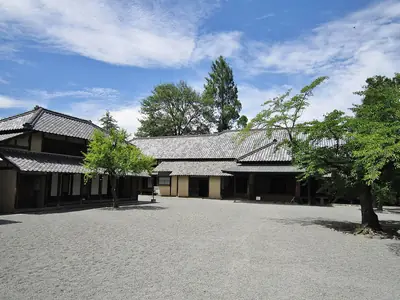
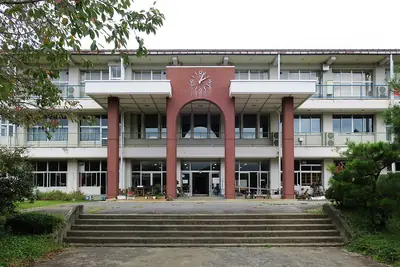
Matsushiro offers a different view of Nagano’s past. The Matsushiro Literary and Military School, also known as Bunbu gakkō, preserves the setting of a domain school from Japan’s late Edo period.
The school was established for the Matsushiro Domain under the Tokugawa shogunate. Although it was abolished during the early Meiji period, its buildings continued to be used for purposes including an elementary school until the Showa period. Its preserved setting makes it a rare place to explore the educational world of late Edo-period Japan.
Zōzan Memorial Hall
Also in Matsushiro, Zōzan Memorial Hall preserves the personal belongings and inventions of Sakuma Shōzan, also known as Zōzan. He is remembered for carrying out Japan’s first telegraph experiment. The hall once had the Matsushiro Communications Museum as an annex, reflecting this connection with communications history.
Ōmine Castle
Ōmine Castle, or Ōmine-jō, once stood in Nagano City. The site may also be identified as Ōmine Castle’s simulated keep, using the former name Ōmine Castle Insect and Nature Museum. That earlier name refers to another chapter in the site’s history.
Kitano Museum of Art
In Wakaho, southeastern Nagano, the Kitano Museum of Art stands beside Yushimatenmangu Shrine. The entrance is through the shrine, creating an arrival that combines a historic religious setting with an art museum.
Opened in 1968, it was the first private art museum in Nagano Prefecture. Its Japanese garden, completed in 1965, was designed by Mirei Shigemori, a notable twentieth-century modern landscape architect. The garden adds a significant outdoor element to the museum visit.
Mizuno Museum of Art
The Mizuno Museum of Art in Wakazato presents modern and contemporary Japanese paintings gathered over many years. The museum opened in 2002 and is operated by the Mizuno Museum of Art Foundation.
Its collection is based on the holdings of Masayuki Mizuno, a businessman and founder of HOKTO, a company involved in mushroom production. The museum offers another way to encounter Japanese art within Nagano’s urban landscape.
Togakushi Museum of Natural History
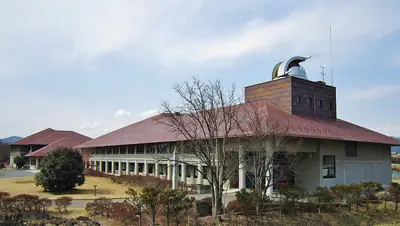
In Togakushi, the Togakushi Museum of Natural History explores the area’s geological and fossil history through exhibits and explanations. Its collection contains around one hundred thousand items, including materials related to local history.
The museum is a useful stop for understanding the natural foundations of the region, complementing Nagano’s temples, historic buildings and art collections.
Nagano and the 1998 Winter Olympics
Nagano hosted the 18th Winter Olympic Games from February 7 to 22, 1998. They were the final Winter Olympics of the twentieth century and the only Olympics held in Japan during the Heisei era.
The Games introduced women’s ice hockey, curling and snowboarding to the Winter Olympic programme. National Hockey League players were allowed to compete in men’s ice hockey for the first time, and the Czech men’s team won the gold medal.
Japan’s home performance in ski jumping was especially memorable: Kazuyoshi Funaki won two gold medals and one silver. In figure skating, the American Tara Lipinski became the youngest Olympic champion in history at the age of 15 years and 255 days.
Explore Nagano with a self-guided walking tour
Neywo’s Nagano audio guide lets you discover the city independently. The app tells the story of each place as you reach it, at your own pace, with no group and no schedule. Narration is available in 11 languages.
The two walking tours are:
- Seven Temples, Seven Shrines: The Zenkoji Approach — 4.85 km, 117 minutes and 9 narrated stops, including Nagano Station, Yanagihara Shrine, Jūnen-ji Temple, Hongan-ji Nagano Betsu-in Temple, Nishinomiya Shrine, Yubuku Shrine and the Nagano Prefectural Art Museum.
- Matsushiro: Samurai Town of the Sanada — 3.57 km, 84 minutes and 6 narrated stops, including Zōzan Memorial Hall, the Matsushiro Literary and Military School, Matsushiro Castle, Chōkoku-ji Temple and Renjō-ji Temple.
Download Neywo for free and explore Nagano with a self-guided walking tour that brings its temples, museums and historic streets to life as you walk. If you are continuing through Japan, you can also discover Matsumoto, another city in the country’s mountain region.
Places with an audio guide in Nagano
8 places in Nagano with a Neywo audio guide. Each one starts telling its story as you reach it.


Self-guided tours in Nagano
2 tours in Nagano, free in the Neywo app. Each stop tells its story as you reach it.
- Walk
Seven Temples, Seven Shrines: The Zenkoji Approach
Nagano grew around Zenkoji, and the streets leading north to it are lined with the small shrines and temples that belong to its sacred circle. Walk from Nagano Station to Yanagihara Shrine past temples and shrines of Zenkoji's sacred circle and the shrine of Ebisu, then end in Jōyama Park with its prefectural art museum and the Gokoku shrine.
Nagano Station · Yanagihara Shrine · Jūnen-ji Temple · Hongan-ji Nagano Betsu-in Temple · Nishinomiya Shrine · Yubuku Shrine …
Open this tour: Seven Temples, Seven Shrines: The Zenkoji Approach - Walk
Matsushiro: Samurai Town of the Sanada
South of the city lies Matsushiro, the castle town of the Sanada clan. Walk from the temple of azaleas past the memorial hall of the inventor Sakuma Shozan, the rare surviving domain school and the castle site, then visit the Sanada family temple and Renjo-ji, where the lords of the castle are buried.
Zōzan Memorial Hall · Matsushiro Literary and Military School · Matsushiro Castle · Chōkoku-ji Temple (Nagano) · Renjō-ji Temple
Open this tour: Matsushiro: Samurai Town of the Sanada
Walk Nagano with Neywo
Neywo turns Nagano into a self-guided audio tour. Stories arrive as you reach the place they belong to, and the route reshapes when you wander off it.

