Okayama, Japan: Self-Guided Walking Tour
Things to Do in Okayama: Gardens, Museums, and Historic Sites
The best things to do in Okayama include exploring Kōraku-en, visiting the museums around Okayama Castle, and discovering archaeological and castle sites connected with the region’s long history. Set in Japan’s Chūgoku region of Honshu, along the Seto Inland Sea, Okayama is the capital and largest city of Okayama Prefecture and offers a varied introduction to the area.
Neywo has a free audio guide for Okayama with 21 narrated places, so you can explore the city while listening to its stories.
What to See in Okayama
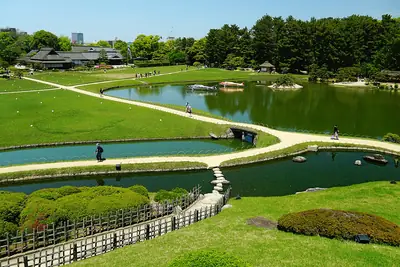
Kōraku-en
Kōraku-en, also known as Kōraku Garden, is one of Japan’s Three Great Gardens. It is a daimyo garden created for the lord of Okayama and is designated a Special Place of Scenic Beauty.
The garden was built in 1700 by Ikeda Tsunamasa, lord of Okayama. It reflects the culture of the Genroku era and reached its modern form in 1863. Its carefully shaped scenery makes it one of the essential places to visit in Okayama.
Okayama Prefectural Museum
Located near the outer grounds of Kōraku-en, the Okayama Prefectural Museum preserves artifacts connected with the prefecture. Its collection stretches from prehistory through modern times, with particular attention to cultural artifacts from the ancient Kibi region and its surroundings.
It offers useful context for understanding the history of the wider area, not only the city itself.
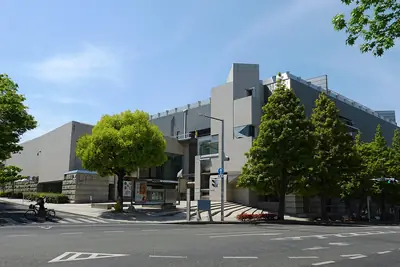
Okayama Prefectural Museum of Art
The Okayama Prefectural Museum of Art, also known as Okayama Kenritsu Bijutsukan, opened in 1988. Close to Kōraku-en and Okayama Castle, it holds around two thousand works from Okayama Prefecture.
The building, designed by Okada and Associates, is itself an example of a modern cultural space created for the region and its art collection.
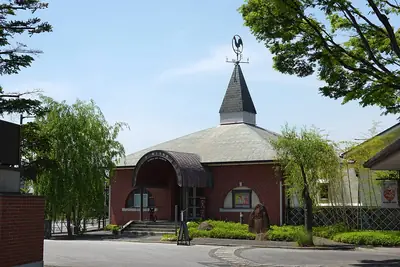
Yumeji Art Museum
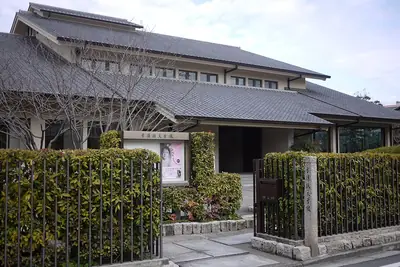
The Yumeji Art Museum, or Yumejikyodo Museum, introduces the work and world of Yumeji Takehisa, a poet and artist active in the early 1900s. Its focus gives Okayama’s museum landscape a more personal and literary dimension.
Hayashibara Museum of Art
Beside the inner moat of Okayama Castle, the Hayashibara Museum of Art brings together Japanese art and historical objects. The museum opened in 1964, following the final wishes of Ichiro Hayashibara, whose personal collection was to be shown to the public after his death.
The collection includes swords, armor, pottery, Noh costumes, furniture, paintings, and Japanese lacquer associated with the Ikeda clan. The museum occupies the site of a former guesthouse, in an interior designed by Kunio Maekawa.
Okayama City Museum
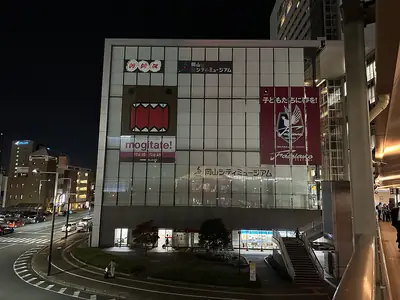
The Okayama City Museum, also known as Okayama City Museum, offers another way to encounter the city through a museum run by Okayama City. It forms part of the city’s broader collection of cultural institutions.
Kibiji Literary Museum
The Kibiji Literary Museum, or Kibiji Bungakukan, is dedicated to literature connected with the Kibiji area. It adds a literary stop to an itinerary otherwise shaped by gardens, art, and castle history.
Inukai Bokudō Memorial Museum
The Inukai Bokudō Memorial Museum, also known as Inuyakido Memorial Hall, provides a dedicated place to learn about an important figure connected with the region.
animo Museum
The animo Museum, also known as the Yuko Arimori Museum, is devoted to Yuko Arimori, the Okayama-born marathon runner and one of Japan’s pioneers of professional women’s running.
Arimori won the silver medal in the women’s marathon at the 1992 Barcelona Olympics in 2 hours, 32 minutes, and 49 seconds, finishing eight seconds behind Valentina Yegorova.
Historic and Archaeological Places Around Okayama
Kameyama Castle
The remains of Kameyama Castle, also known as Numa Castle, are in Okayama’s Higashi Ward and are protected as an Okayama City Designated Historic Site.
Nakayama Nobutada built the castle during the Tenbun period, from 1532 to 1555. A hill castle, or hirayamajo, it became an important base for the Ukita clan. In 1559, Ukita Naoie moved the clan’s main stronghold here from Shinjōyama Castle and expanded his territory from the site. After beginning the remodeling of Okayama Castle in 1573, he moved there.
The castle was also briefly connected with the Honnō-ji Incident: soon afterward, Hashiba Hideyoshi stopped here on his way back to Kyoto to fight Akechi Mitsuhide’s army.
Tsukuriyama Ancient Burial Mound
Tsukuriyama Ancient Burial Mound, or Tsukuriyama Kofun, is the largest ancient burial mound in Okayama Prefecture and the fourth largest in Japan. Built in the first half of the fifth century during the middle Kofun period, it became a National Historic Site in 1921.
The mound has the characteristic keyhole shape of a kofun, with a rounded section joined to a projecting rectangular section. It stands within the Kibiji Fudoki-no-oka Prefectural Natural Park and is the largest burial mound in Japan whose mound itself can be entered freely.
Tsushima Site
The Tsushima Site preserves traces of a Yayoi-period settlement beneath and around the Okayama Prefectural Multipurpose Grounds. The archaeological remains stretch across the Izumi neighborhood of Kita-ku and span several periods, from the late Jōmon period through the Yayoi and Kofun periods.
The site was designated a National Historic Site of Japan in 1971, and its protected area was expanded in 2002.
Takamatsu Castle
The ruins of Bitchū Takamatsu Castle, in what is now Takamatsu in Okayama’s Kita Ward, are associated with the Battle of Bitchū Takamatsu Castle and the water siege carried out by Hashiba Hideyoshi.
Unlike castles protected by massive stone walls, Takamatsu Castle was a flatland castle with earthen walls. Marshes surrounded it and acted as a natural moat, using the landscape itself as a defensive feature.
Other museums and memorials
Okayama also has smaller institutions connected with local culture and memory, including the Sakano Memorial Museum in Kita Ward. Operated by the Communications Culture Association, it provides another museum stop beyond the city’s better-known art institutions.
Explore Okayama with a Self-Guided Walking Tour
If you are looking for an Okayama self-guided walking tour, Neywo’s route focuses on the city’s garden, castle, and museum district. The walk covers 3.36 km, takes about 90 minutes, and includes six narrated stops:
- Okayama Art Creation Theater
- Okayama Prefectural Museum of Art
- Okayama Prefectural Museum
- Hayashibara Museum of Art
- Kōraku-en
- Yumeji Art Museum
Download Neywo to explore Okayama at your own pace. The app tells the story of each place as you reach it, with no group and no schedule. The Okayama guide includes one walking tour, and narration is available in 11 languages.
Places with an audio guide in Okayama
8 places in Okayama with a Neywo audio guide. Each one starts telling its story as you reach it.

Self-guided tours in Okayama
1 tour in Okayama, free in the Neywo app. Each stop tells its story as you reach it.
- Walk
Gardens, Moat and Museums: Korakuen and the Castle Grounds
Okayama's cultural heart is a short walk. Start at the Harenowa theatre complex, pass the prefecture's art and history museums, the Hayashibara collection beside the castle's inner moat, then wander Kōraku-en, one of Japan's Three Great Gardens, and finish at the museum devoted to the romantic artist Yumeji Takehisa.
Okayama Art Creation Theater · Okayama Prefectural Museum of Art · Okayama Prefectural Museum · Hayashibara Museum of Art · Kōraku-en · Yumeji Art Museum
Open this tour: Gardens, Moat and Museums: Korakuen and the Castle Grounds
Walk Okayama with Neywo
Neywo turns Okayama into a self-guided audio tour. Stories arrive as you reach the place they belong to, and the route reshapes when you wander off it.

