Xàbia, Spain: Self-Guided Walking Tour
Things to Do in Xàbia
Xàbia, also known as Jávea, is a seaside town on Spain’s Costa Blanca that blends Mediterranean scenery, centuries of history, and sandy coves with a bright coastal light that draws beach lovers and culture seekers alike. Neywo offers a free audio guide for Xàbia with 6 narrated places available in 11 languages, letting you explore at your own pace. The town’s historic centre, located in the Valencian Community, offers lively markets and coastal charm that create a welcoming atmosphere less hurried than larger resort destinations.
What to See in Xàbia
Museu Soler Blasco
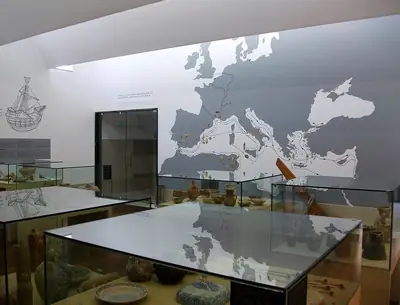
The Museu Soler Blasco is Xàbia’s municipal archaeological and ethnographic museum. It is housed in the casa‑palau of Antoni Banyuls, a notable historic house‑palace in the old town. Run by the Xàbia council, the museum is also known as the Museu de Xàbia or the Municipal Archaeological and Ethnographic Museum.
La Casa del Cable
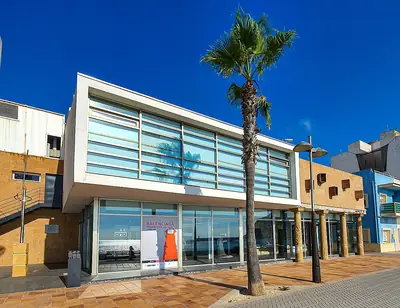
La Casa del Cable is a museum located in Xàbia. (No further details are provided in the source material.)
Chapel of El Pòpul
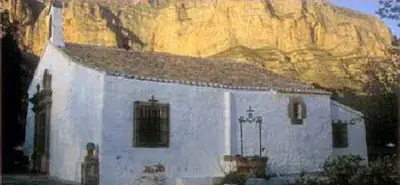
A short drive from the centre toward Jesús Pobre brings you to the Chapel of El Pòpul, locally called the Ermita del Popul. This modest rural chapel has a simple rectangular plan and a traditional gabled roof. Inside, a single nave is covered by a striking pointed arch built of tosca, the golden sandstone quarried along the coast. On the wall hangs a seventeenth‑century canvas showing the Virgin Niña with her parents, Saint Joachim and Saint Anne.
Chapel of the Calvary
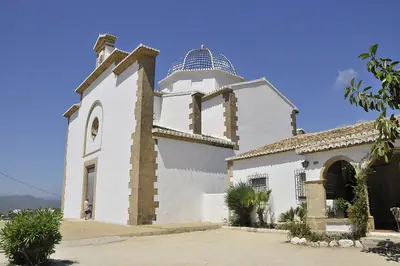
Known locally as the Ermita del Crist del Calvari or Iglesia Cristo del Calvario, the Chapel of the Calvary is another small religious site in Xàbia. The source notes do not give additional architectural or historical details.
Church of Saint Bartholomew
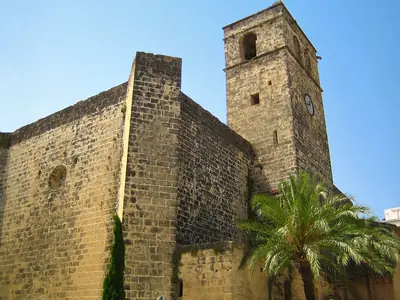
The Church of Saint Bartholomew dominates the Plaça de l’Església, the highest point of the original walled enclosure. Built as both a house of worship and a defensive stronghold, its oldest element is the apse tower dating to the fourteenth century. The main body was added in the sixteenth century in the Valencian Gothic style. The entire structure is made of local sandstone (piedra tosca) quarried from the Cova Tallada sea‑level cave beneath Cape San Antonio. Thick walls and few narrow openings reflect the town’s historic need to withstand pirate raids.
Castell de la Granadella
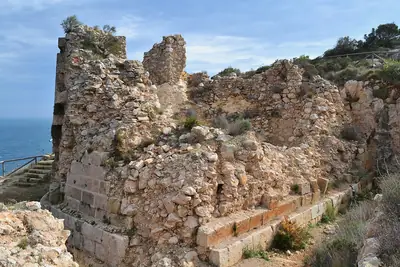
The Castell de la Granadella, also called the Torre de la Granadella, is a historic tower standing on the coast. The available source material does not specify its history or architecture.
The region also includes nearby cities such as Dénia, Valencia and Alicante.
Explore Xàbia with Neywo
Download Neywo to enjoy a free audio guide for Xàbia that includes 6 narrated places available in 11 languages. Each story starts automatically when you reach the site, so you can walk at your own pace with no group or schedule. The guide covers the museum, chapels, church and coastal tower described above, letting you discover the town’s stories as you move through it.
Places with an audio guide in Xàbia
6 places in Xàbia with a Neywo audio guide. Each one starts telling its story as you reach it.
Walk Xàbia with Neywo
Neywo turns Xàbia into a self-guided audio tour. Stories arrive as you reach the place they belong to, and the route reshapes when you wander off it.

