What to See in Miyajima, Japan: Free Audio Guide
Things to do in Miyajima: what to see on Japan’s Sacred Island
Miyajima, also known as Itsukushima, is an island in Hiroshima Bay celebrated for Itsukushima Shrine, its changing tides, sacred sites, and views across the Seto Inland Sea. From the famous torii gate and historic temples to local food and unusual landmarks, there are plenty of things to do in Miyajima. Neywo offers a free audio guide for Miyajima with four narrated places, available in 11 languages.
What to see in Miyajima
Itsukushima Shrine and the changing tides
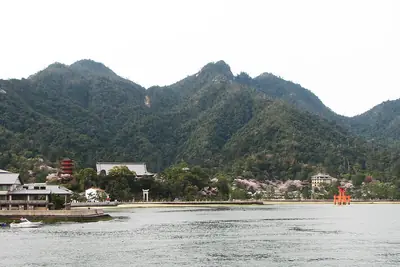
Itsukushima is best known for Itsukushima Shrine and its vermilion torii gate. The island was regarded as an object of nature worship from ancient times, and its importance grew from the late Heian period as the shrine became influential in maritime travel. In 1168, the warrior and courtier Taira no Kiyomori made a major contribution to the shrine’s present form.
The relationship between the shrine and the sea is constantly changing. At low tide, the seabed extends beyond the torii, while at high tide, water covers the exposed ground and fills the spaces beneath the shrine’s boardwalks. A visit at different points in the day can therefore reveal very different views of the same place.
Itsukushima also includes Toyokuni Shrine, with its five-storied pagoda, and Daiganji Temple, known as one of Japan’s three most famous Benzaiten temples. Cherry blossoms appear on the island in spring, while maple foliage adds seasonal color later in the year.
Daishō-in Temple on Mount Misen
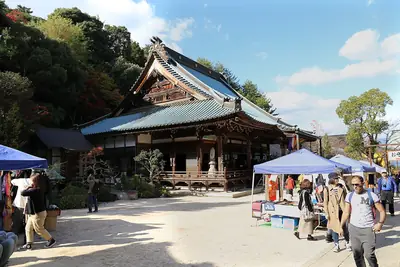
Daishō-in is one of Miyajima’s most historic Buddhist temple complexes. Also called Suishō-ji, or Crystal Temple, it has the oldest history of any temple on the island. For centuries, it served as the associated temple of Itsukushima Shrine, overseeing religious ceremonies and the monks connected with the shrine.
The complex is set on Mount Misen and is known for its many halls and statues, traditional atmosphere, and elevated views. It is also the fourteenth temple on the Chūgoku Thirty-Three Kannon Pilgrimage and is recognized as one of Japan’s three great temples associated with protection from misfortune and the bringing of good fortune.
The sacred figures give the temple a richly varied character. The Kannon Hall enshrines the Eleven-Headed Kannon, the Chokugan Hall is dedicated to Fudō Myōō, and the Maniden Hall is devoted to the Three Great Oni Deities, the temple’s principal object of worship. Prayer wheels are set into the steps leading to Maniden Hall, adding one of the complex’s most distinctive details.
Miyajima Public Aquarium
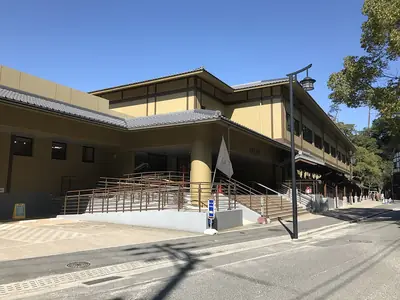
Miyajima Public Aquarium, also known as Miyajima Marine, introduces visitors to the aquatic life of the Seto Inland Sea. Its guiding ideas focus on comfort and hands-on connection, making it a place to explore the marine environment associated with the island.
The aquarium is a municipal facility in Miyajima, Hatsukaichi, Hiroshima. Before the merger with Hatsukaichi City, it operated as the Miyajima Town Aquarium. It is also recognized as a museum-equivalent facility under Japan’s Museum Act.
The World’s Largest Rice Scoop
At the etto Miyajima Exchange Center, also called the Miyajima Community Development Exchange Center, visitors can see Miyajima’s Giant Rice Scoop. Known as the World’s Largest Rice Scoop, this enormous object has become one of the island’s notable sightseeing attractions.
It offers a quick but memorable stop away from the island’s better-known religious sites, and its scale makes it easy to recognize as one of Miyajima’s more unusual landmarks.
Forested slopes, sacred paths, and Seto Inland Sea views
Miyajima extends beyond the main shrine area. Its forested slopes, quiet paths, and elevated viewpoints create a calmer setting for exploring the island. Mount Misen gives the landscape a higher perspective, while the Seto Inland Sea remains a constant presence around Itsukushima.
Tame deer wander through the island’s streets and temple grounds, adding to the atmosphere as you move between its religious buildings, paths, and coastal views.
Local food to try
Miyajima’s small shops serve regional specialties associated with the island. Grilled oysters reflect the coastal setting, while momiji manju—maple-leaf-shaped cakes filled with sweet paste—offers a traditional treat to enjoy while exploring.
A self-guided way to explore Miyajima
A Miyajima self-guided walking tour lets you discover the island at your own pace, without joining a group or following a fixed schedule. Neywo’s free Miyajima audio guide includes four narrated places. Each story plays as you reach the place, explaining its history and character while you explore. Narration is available in 11 languages.
Download Neywo and explore Miyajima with an audio guide that follows your walk. There are no group arrangements and no schedule: the app tells the story of each place as you reach it, at your own pace. You can also continue planning your trip through Japan and discover other destinations such as Kyoto, Nagasaki, or Kurashiki.
Places with an audio guide in Miyajima
4 places in Miyajima with a Neywo audio guide. Each one starts telling its story as you reach it.

Walk Miyajima with Neywo
Neywo turns Miyajima into a self-guided audio tour. Stories arrive as you reach the place they belong to, and the route reshapes when you wander off it.

