Things to Do in Katori, Japan: Walking Guide
Things to Do in Katori: Historic Townscapes, Temples and Gardens
Katori is a city in Chiba Prefecture where historic temples, Shinto shrines, riverside scenery and the traditional townscape of Sawara come together. It is worth visiting for a quieter view of Japan, with places connected to local religious history, the Sawara Grand Festival and the Suigō area’s distinctive waterways and gardens. Neywo offers a free audio guide for Katori with 19 narrated places, available in 11 languages.
What to See in Katori
Suigō Sawara Ayame Park
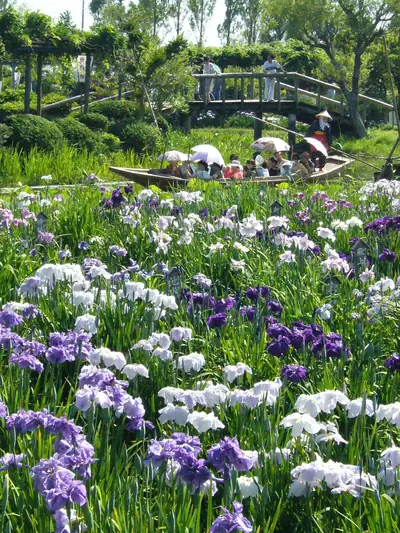
Suigō Sawara Ayame Park is a botanical garden and one of the representative attractions of the Suigō area. Its most distinctive experience is viewing the flowers from a boat, an unusual way to explore an iris garden in Japan.
The park opened in 1969 and contains a wide variety of aquatic plants. It is especially known for around one and a half million irises and more than 300 varieties of lotus. The Suigō Sawara Iris Festival takes place from late May through late June, when the irises are in bloom. June is the best time to see them, while the lotus collection reaches its peak in August.
Toyohashi Bridge
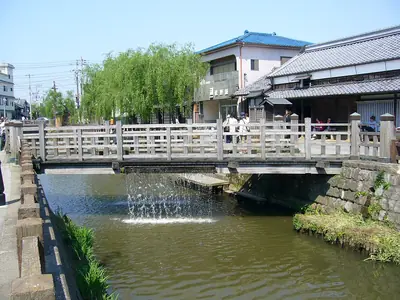
Toyohashi Bridge crosses the Ono River in Katori. It is also known as Chukei Bridge or Toyo Bridge, making it a notable point to see while exploring the city’s historic waterways and the Sawara area.
Suigō Sawara Festival Float Museum
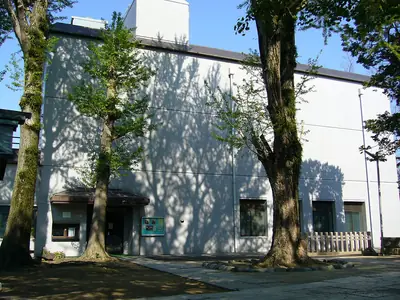
The Suigō Sawara Festival Float Museum, also called the Suigō Sawara Float Hall, stands within the grounds of Yasaka Shrine in Sawara. Its exhibitions introduce the Sawara Grand Festival, offering a closer look at one of the traditions associated with the historic town.
Jissō-ji Temple
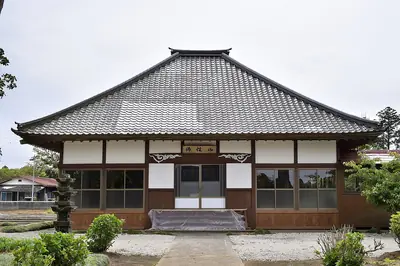
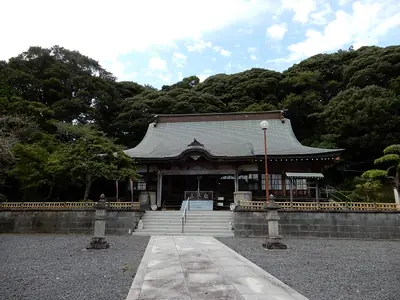
Jissō-ji is a temple of the Nichiren Buddhist tradition. Its history is connected with the former Tokiwa Danrin site, whose remains are recognized as a historic site by Katori City.
The temple gate is particularly important: it is the only surviving structure from the former Tokiwa Danrin and is designated as a cultural property of Katori City. The gate was donated by Asano Mitsuakira of the Hiroshima domain.
Kanpuku-ji Temple in Yamakura
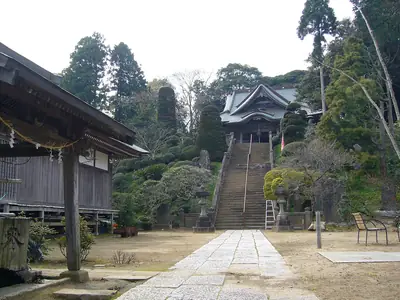
Kanpuku-ji in Yamakura belongs to the Shingon Buzan Sect. Its mountain name is Yamakurazan, and its principal object of worship is Dairoku Tenno.
The temple was once the associated temple of Yamakura Daijin, linking it closely with the religious history of the surrounding area.
Yamakura-daijin
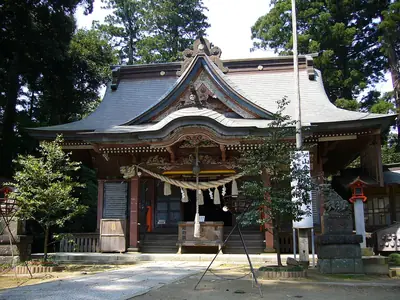
Yamakura-daijin is a Shinto shrine in Yamakura, within Katori City. Its Japanese name is 山倉大神, pronounced Yamakura-daijin. It can be visited alongside Kanpuku-ji to discover two places connected with the religious character of Yamakura.
Jurin-ji Temple
Jurin-ji, also known as Jurinji, is a Buddhist temple in Gōgōnai. Its principal image is the Thousand-Handed, Thousand-Eyed Kannon, giving the temple a particular focus within Katori’s collection of religious sites.
Kanpuku-ji Temple in Makino
Katori is home to another Kanpuku-ji Temple, this one in Makino. Also known as Kofukuji or 観福寺, it is a Buddhist temple within the city and offers another place to encounter Katori’s religious heritage.
Zennō-ji Temple
Zennō-ji, also known as Zen-yu-ji, is a temple in Katori. Its quiet setting provides a simple way to experience one of the city’s religious landmarks beyond its better-known historic districts.
Other Quiet Religious Sites
Several smaller sites provide additional places to pause while exploring Katori:
- 三社大神, identified in the guide as a Buddhist temple
- 妙見社, another quiet Buddhist temple
- 西音寺, a Buddhist temple and local religious landmark
- Myōkōji, a Buddhist temple
- Honmyoji, a Buddhist temple
- 三峯神社, identified in the guide as a Buddhist temple
Together, these sites add depth to a visit focused on what to see in Katori. They show that the city’s character is not limited to a single attraction: temples, shrines, gardens and historic festival traditions are spread across the area.
Explore Katori at Your Own Pace with Neywo
There are no tours currently listed for Katori, but Neywo’s free audio guide includes 19 narrated places in the city. The app tells the story of each place as you reach it, at your own pace, with no group and no schedule. Narration is available in 11 languages.
Download Neywo to explore Katori independently, from Suigō Sawara Ayame Park and Toyohashi Bridge to the city’s temples, shrines and festival heritage. If you are planning a wider trip through Japan, Katori offers a quieter stop alongside the country’s many historic cities.
Places with an audio guide in Katori
8 places in Katori with a Neywo audio guide. Each one starts telling its story as you reach it.
Walk Katori with Neywo
Neywo turns Katori into a self-guided audio tour. Stories arrive as you reach the place they belong to, and the route reshapes when you wander off it.

