Visiting Kurashiki, Japan: Top Sights on Foot
Things to do in Kurashiki: art, history and traditional streets
Kurashiki is a historic Japanese city known for the preserved architecture of its Bikan Historical Quarter, its museums and its religious heritage. From the Ohara Museum of Art and traditional town houses to ancient burial mounds and shrines, there are many things to do in Kurashiki for travellers interested in art and history. Neywo has a free audio guide for Kurashiki with 25 narrated places, available in 11 languages.
What to see in Kurashiki
Kurashiki’s Bikan Historical Quarter
The Bikan Historical Quarter is the natural starting point for exploring Kurashiki. Built around the Kurashiki River, it is characterised by white plaster walls, dark roof tiles, wooden latticework and willow trees. Former storehouses, merchant homes, textile mills and traditional townhouses now contain museums, cafés, galleries and independent shops.
The district preserves the atmosphere of Kurashiki’s commercial past, when the city was an important centre for transporting rice, cotton and other goods during the Edo period. Its compact streets make it especially suited to a self-guided walking tour.
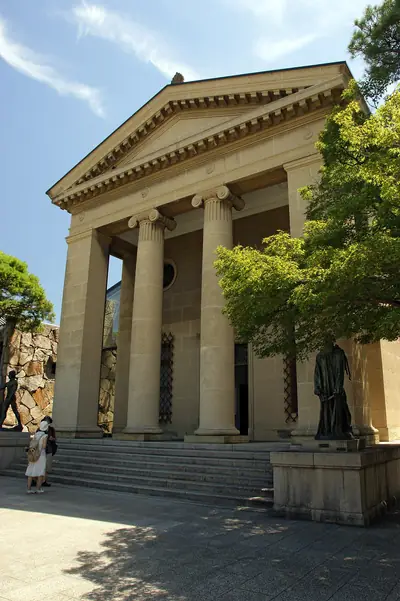
Ohara Museum of Art
The Ohara Museum of Art is one of the main cultural highlights of the Bikan Historical Quarter. Opened in 1930, it was Japan’s first privately operated museum dedicated to a permanent collection of Western art.
Its original collection was assembled by Ōhara Magosaburō with the guidance of the Japanese painter Kojima Torajirō and the French artist Edmond Aman-Jean. French paintings and sculptures from the nineteenth and twentieth centuries formed its early focus, but the collection later expanded to include Italian Renaissance art, Dutch and Flemish works from the seventeenth century, and twentieth-century artists from the United States and Italy.
The museum also includes Japanese paintings and craft collections. These feature works by artists including Fujishima Takeji, Aoki Shigeru, Kishida Ryūsei, Koide Tarushige, Kawai Kanjirō, Bernard Leach, Hamada Shōji, Tomimoto Kenkichi, Munakata Shikō and Serisawa Keisuke.
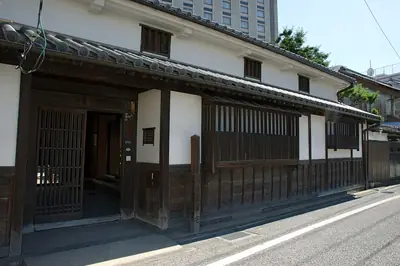
Ohashi House
Ohashi House is a traditional town-house building in Achi and an Important Cultural Property of Japan. Known in Japanese as Ō-Hashi House, it offers a close look at the residential architecture preserved in Kurashiki’s historic centre.
Its importance lies in the building itself: the town-house design reflects the character of the area’s historic merchant neighbourhoods and provides a contrast to the larger museum collections nearby.
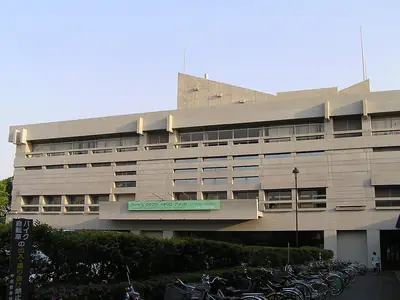
Kurashiki City Art Museum
Located in Chuo, the Kurashiki City Art Museum is operated by Kurashiki City. It offers another opportunity to encounter art within the city and forms part of the cultural landscape of central Kurashiki.
Together with the Ohara Museum of Art, it makes the historic centre more than an architectural visit: the Bikan area also provides a concentrated route through Kurashiki’s art institutions.
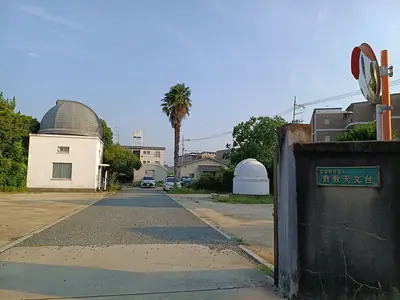
Kurashiki Observatory
Kurashiki Observatory is a private observatory in central Kurashiki, in Okayama Prefecture. Its presence adds a scientific point of interest to a city more commonly associated with historic buildings, art and traditional streets.
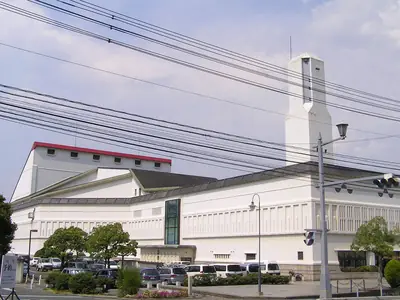
Kurashiki Civic Hall
Kurashiki Civic Hall, or Kurashiki Shimin Kaikan, is a concert hall in Honmachi. It is regarded as one of the oldest surviving concert halls in Japan, giving the venue a distinctive place in the country’s musical and cultural history.
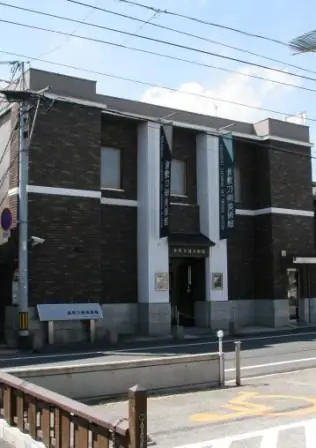
Kurashiki Art Sword Museum
The Kurashiki Art Sword Museum is a private museum devoted to traditional Japanese swords. More than seventy swords are displayed, including nihonto, tachi and wakizashi.
For visitors interested in Japanese craftsmanship, the collection offers a focused look at several important forms of blade rather than a general overview of the city’s history.
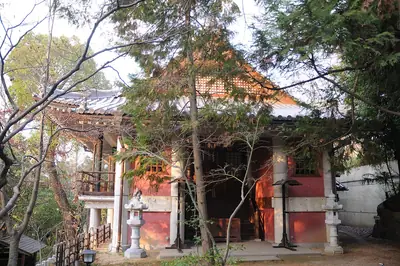
Goryu-sonryu-in Temple
In Hayashi, Goryu-sonryu-in Temple is one of the important religious sites associated with Shugendo in Okayama Prefecture. Also connected with the name Goryu Hakubutsukan, the site can be appreciated both as a Buddhist temple and as a centre of Shugendo practice.
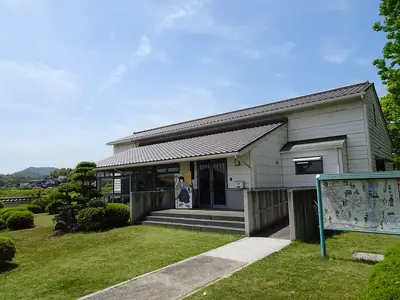
Kurashiki City Mabi Hometown History Museum
Inside Ōike Furusato Park, the Kurashiki City Mabi Hometown History Museum presents the history of Mabi alongside the story of mystery writer Seishi Yokomizo. Ōkada Pond extends behind the museum.
The museum opened on July 3, 1994, with two main purposes: researching historical documents from the former Okada domain and commemorating Yokomizo. Near the end of the Second World War, the writer lived in this area as an evacuee for more than three years. Its collection contains about 3,800 materials connected with local history and his life.
Shrines and historic sites around Kurashiki
Kurashiki’s attractions extend beyond the central historic quarter. In Shimotsui, Tatsuchinouranimashimasu Shrine is also known by the name 一本松展望台, while Gion Shrine is also called Shimotsui Gion Shrine.
Kumano Shrine, known by the traditional title Nihon Daiichi Kumano Jūnisha Gongen-gū, has a notable arrangement of its buildings. From left to right, the Third, First, Second, Fourth, Fifth and Sixth sanctuaries follow a layout similar to that of Kumano Hongū Taisha.
Other local shrines include Toshima Shrine in Tamashima Otojima, Kou Hachimangū in Kojima and Chayamachi Inari Shrine in Chayamachi. Each provides a different glimpse of religious life across Kurashiki’s districts.
Ōbosan Kofun
Ōbosan Kofun is a burial mound from Japan’s Kofun period in the Hihata area. It is also known as Ōhakayama Kofun and Akai Nishi No. 1 Kofun.
The mound is described as either circular or square and forms part of the Ōbosan Kofun group within the Akai Nishi group. It was designated an Okayama Prefecture Historic Site in 1959, making it an important place to consider Kurashiki’s history beyond its better-known merchant architecture.
Kurashiki’s textile heritage
Kurashiki’s prosperity was closely linked to cotton. Saltwater affecting rice cultivation on reclaimed land encouraged local production to shift towards cotton, helping establish a successful textile economy.
That legacy continues in Kojima, recognised as the birthplace of Japanese denim. Kojima Jeans Street highlights locally made jeans and specialist craftsmanship, offering a contemporary counterpart to the traditional buildings and historic collections of central Kurashiki.
Kurashiki is part of a wider journey through Japan, and its location in western Japan makes it an appealing stop alongside destinations such as Kobe and Miyajima.
Explore Kurashiki with Neywo
Download Neywo and explore Kurashiki with a self-guided walking tour. The route, “Kurashiki’s Bikan Quarter: Art, Merchants and Music”, is 1.12 km long, takes about 47 minutes and includes five narrated stops: Kurashiki Civic Hall, the Ohara Museum of Art, Ohashi House, Kurashiki City Art Museum and Kurashiki Observatory.
The app tells the story of each place as you reach it, at your own pace, with no group and no schedule. In total, Neywo’s free Kurashiki audio guide covers 25 narrated places, and its narration is available in 11 languages.
Places with an audio guide in Kurashiki
8 places in Kurashiki with a Neywo audio guide. Each one starts telling its story as you reach it.
Self-guided tours in Kurashiki
1 tour in Kurashiki, free in the Neywo app. Each stop tells its story as you reach it.
- Walk
Kurashiki's Bikan Quarter: Art, Merchants and Music
Stroll the old merchant district where white-walled storehouses meet canals. Visit Japan's first private museum of Western art, a merchant's town house protected as a cultural property, and one of the oldest surviving concert halls in the country.
Kurashiki Civic Hall · Ohara Museum of Art · Ohashi House · Kurashiki City Art Museum · Kurashiki Observatory
Open this tour: Kurashiki's Bikan Quarter: Art, Merchants and Music
Walk Kurashiki with Neywo
Neywo turns Kurashiki into a self-guided audio tour. Stories arrive as you reach the place they belong to, and the route reshapes when you wander off it.

