Things to Do in Garmisch-Partenkirchen, Germany: Walking Guide
Things to do in Garmisch-Partenkirchen: castles, churches and mountain heritage
Looking for things to do in Garmisch-Partenkirchen? This Bavarian mountain town combines historic churches, regional museums, castle ruins and distinctive Alpine sites, with the Wetterstein Mountains providing the setting. Neywo offers a free audio guide for Garmisch-Partenkirchen with 13 narrated places, so you can explore the town while listening to its stories.
What to see in Garmisch-Partenkirchen
From Partenkirchen’s old town to mountain sites above the Loisach valley, these are some of the most important places to include in your visit.
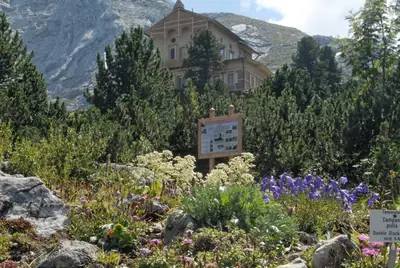
King’s House on Schachen
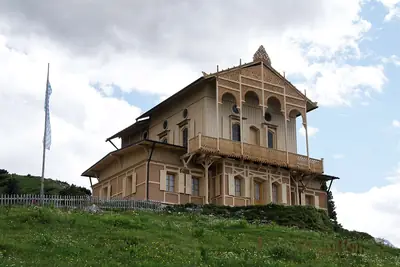
High in the Wetterstein Mountains, around ten kilometres south of Garmisch-Partenkirchen, the King’s House on Schachen stands at an altitude of 1,866 metres. Also known as Königshaus am Schachen, this small Alpine villa was commissioned by Ludwig the Second of Bavaria and built between 1869 and 1872.
Designed by Georg Dollmann as a wooden building in Swiss chalet style, it is often described as a hunting lodge. That label is misleading, however, since Ludwig the Second had no interest in hunting. In 2025, the King’s House on Schachen became part of the UNESCO World Heritage listing for the castles of Ludwig the Second of Bavaria.
Museum Aschenbrenner
Museum Aschenbrenner is one of the museums to discover in Garmisch-Partenkirchen. Its inclusion in the town’s cultural landscape makes it a useful stop for visitors interested in exploring beyond the mountain scenery.
Museum Werdenfels
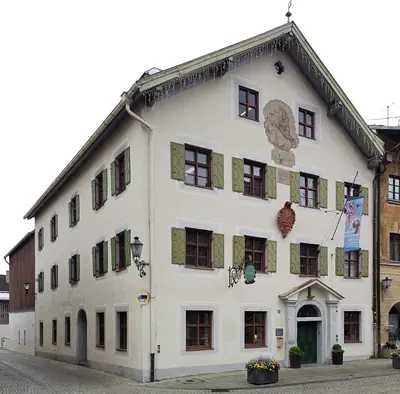
In Partenkirchen’s old town, Museum Werdenfels focuses on the cultural history of the Werdenfelser Land. The regional museum is housed in a listed historic building and is run by the Garmisch-Partenkirchen district. Before 2019, it was known as the Werdenfels Museum.
Richard-Strauss-Institut
The Richard-Strauss-Institut, or RSI, brings together three elements: a music research institute, a museum dedicated to the composer and a concert venue. It offers a way to explore the musical heritage associated with Garmisch-Partenkirchen.
Werdenfels Castle
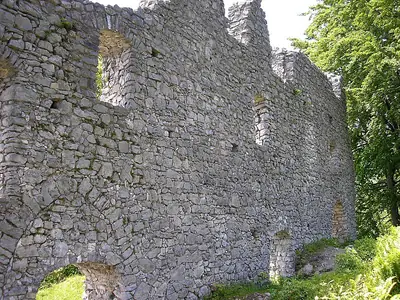
Werdenfels Castle, or Burgruine Werdenfels, is a freely accessible ruin above the Loisach valley. The spur castle stands around eighty metres above the valley between Garmisch and Farchant, with views across Garmisch-Partenkirchen and towards the Wetterstein Mountains.
The site served as the administrative centre of the County of Werdenfels until 1632. After that, it fell into disrepair. Today, the remains combine a historical walk with an elevated view of the surrounding landscape.
Burgstall Falkenstein
Burgstall Falkenstein is the remains of a hilltop castle in a wooded area above the Kellerleitensteig. The site occupies the rocky Falkenstein spur on the southern slope of the Kramer, above Garmisch-Partenkirchen, at about 1,050 metres.
The archaeological monument reflects a long history of settlement. Evidence has been found from the Bronze Age, the Hallstatt period and the late Roman Imperial period, alongside the remains of the medieval castle.
Alpengarten Schachen
The Alpengarten Schachen, or Alpine Garden on Schachen, brings together Alpine plants in the Wetterstein Mountains. Its mountain setting makes it a distinctive place to explore the flora of the Bavarian Alps.
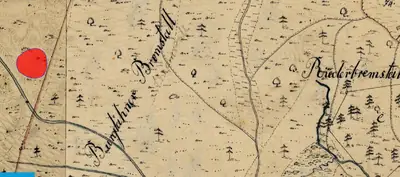
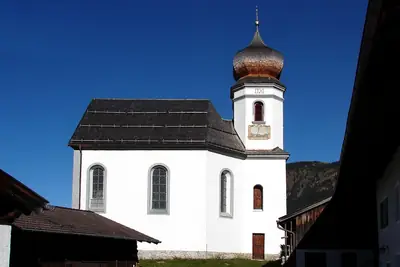
The church in Wamberg
In the mountain village of Wamberg, a church listed as a cultural heritage monument offers a quiet point of interest. It adds a small but meaningful historic landmark to the village setting.
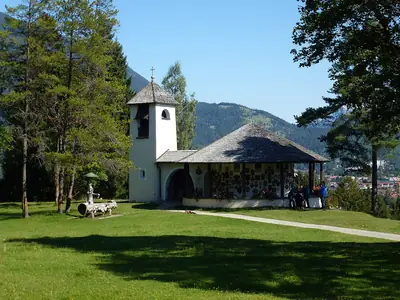
Kriegergedächtniskapelle Garmisch
The Kriegergedächtniskapelle Garmisch is a memorial chapel along the Kramerplateauweg. It provides a quiet place to pause and reflect and is officially recognized as a protected architectural monument under Bavaria’s Monument Protection Act, a designation in force since October 1, 1973.
Maria Heimsuchung on the Zugspitzplatt
Near the Schneeferner on the Zugspitzplatt, Maria Heimsuchung stands at an altitude of 2,600 metres. It is Germany’s highest place of worship. The chapel’s name refers to Mary’s meeting with Elisabeth, shown in the altar painting.
The chapel grew from a promise made in 1930 by Cardinal Michael von Faulhaber, then Archbishop of Munich and Freising. The foundation stone was laid in 1980, and Cardinal Joseph Ratzinger consecrated the building on October 11, 1981. Inside, the artwork also includes scenes of the death and resurrection of Jesus and Jesus being baptised by John, with the surrounding mountain landscape incorporated into the mural.
Old Parish Church of St. Martin
The Old Parish Church of St. Martin has a plain exterior that contrasts with its interior. For centuries, it was the only parish church in the area and served as the mother church for the upper Loisach and Isar valleys.
Inside, Romanesque and Gothic features become more visible, particularly the extensive remains of Gothic wall paintings. These frescoes are the church’s most distinctive feature and create a striking contrast with its restrained outside appearance.
Sebastianskirche
Sebastianskirche is another protected cultural heritage monument in Garmisch-Partenkirchen. The church contributes to the historic character of the town and is one of the religious landmarks included in its cultural landscape.
St. Michael
St. Michael is the Roman Catholic parish church in Burgrain, a district of Garmisch-Partenkirchen. It belongs to the parish of the same name and forms part of the Zugspitze parish association within the Werdenfels deanery of the Archdiocese of Munich and Freising.
Explore Garmisch-Partenkirchen with Neywo
Neywo’s Garmisch-Partenkirchen self-guided walking tour experience includes two walking routes, with a total of five stops on the first route and four on the second:
- Old Partenkirchen to the Kramer Slope: Strauss, Saints and Frescoes covers 3.97 km in 82 minutes, with five narrated stops: Richard-Strauss-Institut, Museum Werdenfels, Sebastianskirche, Old Parish Church of St. Martin and Kriegergedächtniskapelle Garmisch.
- Ruins Above the Loisach: Falkenstein to Werdenfels covers 4.77 km in 88 minutes, with four narrated stops: Kriegergedächtniskapelle Garmisch, Burgstall Falkenstein, Werdenfels Castle and St. Michael.
Download Neywo and explore Garmisch-Partenkirchen with a free audio guide. The app tells the story of each place as you reach it, at your own pace, with no group and no schedule. Narration is available in 11 languages.
Garmisch-Partenkirchen is part of Bavaria, in Germany. For more destinations in the region, you can also explore Munich, Augsburg or Kempten.
Places with an audio guide in Garmisch-Partenkirchen
8 places in Garmisch-Partenkirchen with a Neywo audio guide. Each one starts telling its story as you reach it.
Self-guided tours in Garmisch-Partenkirchen
1 tour in Garmisch-Partenkirchen, free in the Neywo app. Each stop tells its story as you reach it.
- Walk
Old Partenkirchen to the Kramer Slope: Strauss, Saints and Frescoes
Start in the old town of Partenkirchen with the regional museum and the archive of composer Richard Strauss, who made Garmisch his home. Then follow the valley to the old mother church of St Martin with its Gothic wall paintings and climb to a quiet war memorial chapel on the Kramerplateauweg, with the Wetterstein mountains above you.
Richard-Strauss-Institut · Museum Werdenfels · Sebastianskirche · Old parish church of St. Martin · Kriegergedächtniskapelle Garmisch
Open this tour: Old Partenkirchen to the Kramer Slope: Strauss, Saints and Frescoes
Walk Garmisch-Partenkirchen with Neywo
Neywo turns Garmisch-Partenkirchen into a self-guided audio tour. Stories arrive as you reach the place they belong to, and the route reshapes when you wander off it.


More in Bavaria
Elsewhere in Germany
- FrankfurtHesse
- IdsteinHesse
- Rüdesheim am RheinHesse
- BinzMecklenburg-Western Pomerania
- RostockMecklenburg-Western Pomerania
- SchwerinMecklenburg-Western Pomerania
- AachenNorth Rhine-Westphalia
- AnholtNorth Rhine-Westphalia
- BonnNorth Rhine-Westphalia
- CologneNorth Rhine-Westphalia
- DuisburgNorth Rhine-Westphalia
- DüsseldorfNorth Rhine-Westphalia