Funchal, Portugal: Self-Guided Walking Tour
Things to Do in Funchal: What to See in Madeira’s Capital
The best things to do in Funchal include exploring its cathedral and historic fortresses, visiting museums, and discovering the city’s maritime and religious heritage. Madeira’s capital brings together Atlantic views, centuries of defensive architecture, collections of decorative and sacred art, and cultural attractions in a compact urban setting. Neywo has a free audio guide for Funchal with 43 narrated places.
What to See in Funchal
Forte de São José
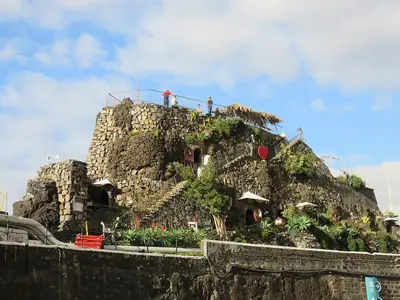
At the maritime entrance to Funchal, Forte de São José stands on the rocky Ilhéu de São José at one end of the port. Also known as Forte São José, Forte do Ilhéu, Forte da Pontinha, and Bateria da Pontinha, it was built in the mid-18th century to help defend the port and the city’s commercial trade.
The rock is associated with João Gonçalves Zarco and Tristão Vaz Teixeira, who sought refuge there when they arrived on Madeira. The fort later served as the headquarters of British troops during the occupation of Madeira between 1801 and 1807, before becoming a prison. Stairs from the molhe provide access via estrada da Pontinha, while the site’s position offers views over the Atlantic.
Forte dos Louros
Forte dos Louros, also called Forte de Loures, is a coastal fortification above the cove and the mouth of the Ribeira de Gonçalo Aires. It is located in the Louros area of the São Gonçalo parish and adds another piece to Funchal’s coastal defensive history.
Cathedral of Funchal
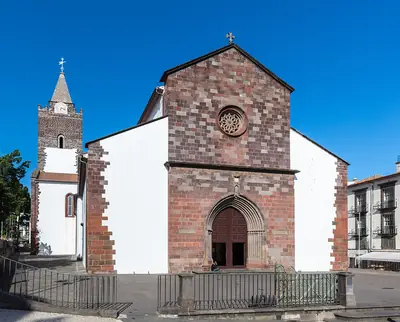
The Cathedral of Funchal is one of Madeira’s enduring landmarks and the mother church of the Diocese of Funchal. Dedicated to Our Lady of the Assumption, the cathedral was built in the late Gothic style with three naves supported by robust stone pillars. Its white façades are framed by dark volcanic stone.
Construction began around 1493, with the building completed and dedicated in 1514. Inside, the central nave leads towards a raised choir with 16th-century wooden stalls carved with prophets, disciples, and cherubs carrying fruit. The cathedral is a central stop on a Funchal self-guided walking tour focused on the cathedral and the town hall square.
CR7 Museum
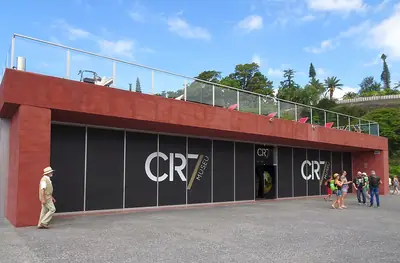
The CR7 Museum is devoted to Portuguese footballer Cristiano Ronaldo and the trophies from his career. Its displays include photographs, videos, a wax statue, and youth and professional trophies won with Andorinha, Nacional, Sporting, Manchester United, Real Madrid, Juventus, and the Portugal national team.
The collection also presents major FIFA, UEFA, and other football honours, making the museum an especially focused attraction for visitors interested in Ronaldo’s career.
Quinta das Cruzes Museum
The Quinta das Cruzes Museum presents decorative arts in a historic setting. Opened to the public in 1953, it holds furniture of Portuguese and foreign origin, jewellery, ceramics, and sculpture.
The collections include English-influenced furniture associated with Chippendale, Hepplewhite, and Sheraton, as well as 17th-century Portuguese furniture made from exotic woods imported mainly from Brazil. European porcelain from Meissen, Bristol, and Vista Alegre stands alongside Chinese porcelain from the Qing dynasty. The museum also displays Luso-Oriental works from the 16th, 17th, and 18th centuries.
Museum of Electricity
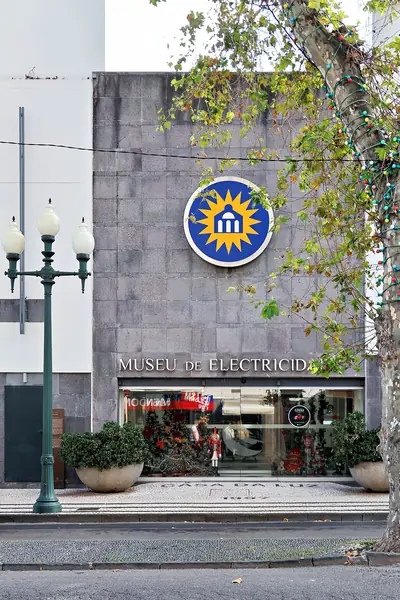
The Museum of Electricity, or Casa da Luz, occupies the former Funchal Thermal Power Station, inaugurated in 1897 by the Madeira Electric Lighting Company Limited. The museum opened in 1997 to mark the centenary of the introduction of electricity in Madeira’s Autonomous Region.
Its three main exhibition areas explore the history of lighting and electrification. “Lights of the Funchal” follows the city’s lighting from olive oil lamps to modern lamps, while “A Century of Electricity” presents machinery, power-station models, and the thermal and hydraulic forms of energy production.
Casa-Museu Frederico de Freitas
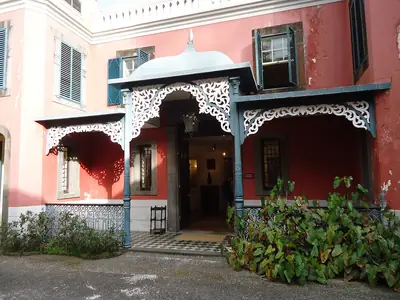
Casa-Museu Frederico de Freitas turns the former home of a Madeiran lawyer and notary into a museum. Frederico de Freitas lived in the house for decades and left his collection to the Autonomous Region of Madeira.
The building was originally known as Casa da Calçada and was associated with the Condes da Calçada and their ancestors from the end of the 17th century. The museum opened in 1988 and later expanded with the House of Tiles, Casa dos Azulejos. Its domestic arrangement brings together decorative art from the 17th to the 20th centuries, including sculptures, paintings, engravings, furniture, and ceramics.
Sacred Art Museum of Funchal
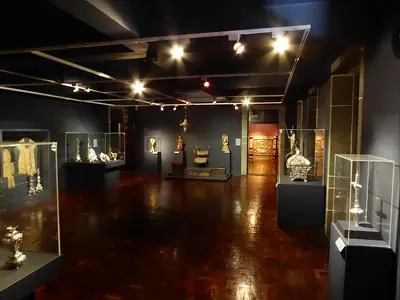
The Sacred Art Museum of Funchal houses Christian art and objects used in worship. Its collections of painting, sculpture, goldsmith work, and religious garments date from the 15th to the 19th centuries.
The museum is particularly known for its Flemish paintings from the 15th and 16th centuries, which arrived in Madeira during the island’s golden age of sugar production. Its collection also includes Flemish sculpture from Malines and Antwerp, as well as works such as The Descent from the Cross by Gérard David, São Tiago by Dieric Bouts, and The Adoration of the Magi by the Master of Adoration of Machico.
Madeira Story Centre
In Funchal’s Old Town, the Madeira Story Centre presents the island’s history and development through permanent exhibitions. Its themes include Madeira’s volcanic origin, discovery legends, trade, the island’s strategic role, and the post-navigation era.
The museum’s virtual journey moves chronologically from Madeira’s volcanic birth 14 million years ago to the first hydroplane landing on the island. It also covers figures and periods including Prince Henry the Navigator, Napoleon, and Churchill. A panoramic terrace provides views over the Old Town.
Teatro Municipal Baltazar Dias
Teatro Municipal Baltazar Dias is Funchal’s main cultural and artistic stage, hosting music, exhibitions, theatre performances, and festivals. Built at the end of the 19th century on Avenida Arriaga, it opened in 1887 as the Dona Maria Pia Theatre.
Its architect drew inspiration from Milan’s La Scala. After several name changes following the establishment of the Portuguese Republic, the theatre was named for Baltazar Dias, a blind Madeiran poet and playwright.
Museu Monte Palace
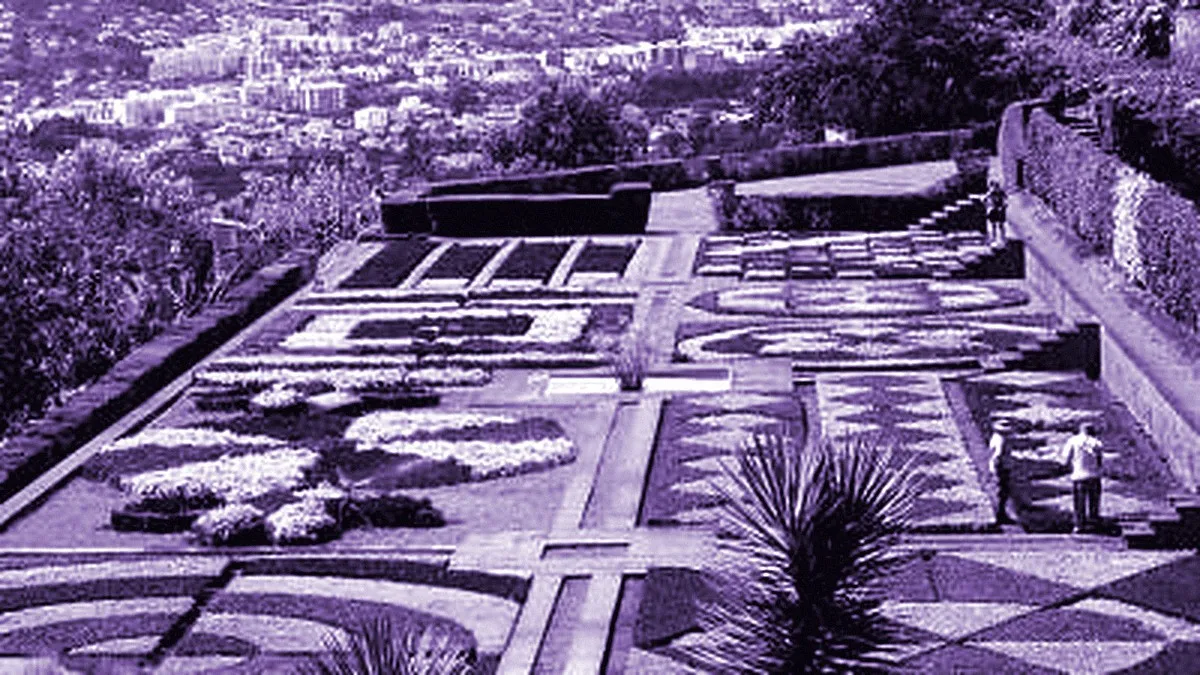
The Monte Palace Museum is set inside the Monte Palace Madeira Gardens. Its collections bring together objects and exhibits from different cultures and geographic regions across three galleries.
“African Passion” includes more than 1,000 contemporary Zimbabwean sculptures from 1966 to 1969. “Mother Nature Secrets” focuses on minerals, with around 700 samples from places including Brazil, Portugal, South Africa, Zambia, Peru, Argentina, and North America.
Universo de Memórias João Carlos Abreu
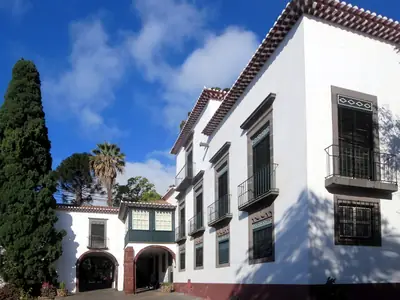
Universo de Memórias João Carlos Abreu occupies a 19th-century mansion acquired by the Regional Government in 2001. It contains the collection donated by João Carlos Nunes Abreu, a journalist, writer, hotel manager, and former Regional Secretary of Tourism and Culture in Madeira.
The collection reflects his life as an artist, traveller, journalist, and public figure, with works acquired during trips around the world. The mansion includes a library, an auditorium, and a tea house, creating a cultural setting rather than a simple display space.
Fortaleza de São João Baptista do Pico
Fortaleza de São João Baptista do Pico, commonly known as Fortaleza do Pico, occupies a dominant position about 111 metres above sea level. From its walls, visitors can look over Funchal and its port.
Built during the Philippine Dynasty on Pico dos Frias, the fortress formed part of Madeira’s defensive system against corsairs and pirates. Constructed in the 17th century, it also served as a powder magazine for forts and towers across the island. Later, it became home to the Navy’s Communications Center and was renovated to include space for concerts and conferences.
Fortaleza de São Tiago
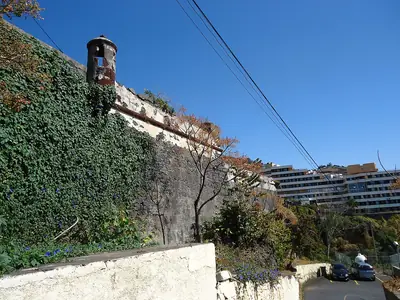
Fortaleza de São Tiago is a historic fortification in Funchal’s centre, identifiable by its striking yellow walls. Built in the early 17th century, it overlooks the Atlantic and was intended to protect the island after attacks on the port.
The fort’s defensive structures, including thick walls, battlements, and sea-facing gun platforms, were considered complete by the mid-18th century. As pirate and privateer activity declined, the fortress took on other roles, including serving as a base for British troops during the Peninsular War.
Convento de Santa Clara
Convento de Santa Clara was the first women’s monastery founded in Portuguese island territory. Established for the daughters of local nobility, it developed around the earlier Igreja de Nossa Senhora da Conceição de Cima, which João Gonçalves Zarco had ordered as his family tomb.
Construction began in 1492 and continued until 1497, when nuns from the Convento da Conceição de Beja occupied the convent. It remained active until the dissolution of religious orders in the 19th century.
Explore Funchal with Neywo
Neywo’s free Funchal audio guide includes four walking tours and one bus route, with narration available in 11 languages. The walks range from 0.56 to 2.78 km and from 38 to 117 minutes, with between 6 and 15 narrated stops. The bus route covers 3.4 km in 15 minutes and has 6 stops.
The routes include a 1.65 km cathedral and town hall walk with 12 stops, a 0.56 km walk connecting Quinta das Cruzes and Santa Clara with 6 stops, and a 0.95 km route through Mercado dos Lavradores and the Old Town with 6 stops. A longer cathedral and town hall route covers 2.78 km in 117 minutes with 15 stops. The bus line follows Funchal’s seafront, Old Town, and Farmers’ Market over 3.4 km, with stops including the CR7 Museum and Mercado dos Lavradores.
Download Neywo and explore Funchal at your own pace: the app tells the story of each place as you reach it, with no group and no schedule. For more destinations in the country, continue exploring Portugal and Madeira.
Places with an audio guide in Funchal
8 places in Funchal with a Neywo audio guide. Each one starts telling its story as you reach it.
Self-guided tours in Funchal
4 tours in Funchal, free in the Neywo app. Each stop tells its story as you reach it.
- Bus ride
Line 05 Through Funchal: Seafront, Old Town and the Farmers' Market
Public electric minibus 05 loops through the centre of Funchal along Avenida Sa Carneiro and the old town. Ride past the town hall, Zarco's statue, the theatre, the little Santa Catarina chapel and the CR7 Museum to the Mercado dos Lavradores for a cheap, car-free tour of the lower city.
Funchal City Hall · João Goncalves Zarco · Teatro Municipal Baltazar Dias · Capela de Santa Catarina · CR7 Museum · Mercado dos Lavradores
Open this tour: Line 05 Through Funchal: Seafront, Old Town and the Farmers' Market - Walk
Quinta das Cruzes and Santa Clara
Three hundred metres uphill in the quietest part of Funchal: the manor house museum with its orchid garden, the convent where Zarco who discovered the island is buried, and the English church.
Parish Church of Saint Peter · Casa-Museu Frederico de Freitas · Convento de Santa Clara · Universo de Memórias João Carlos Abreu · Quinta das Cruzes Museum · Church of the Holy and Undivided Trinity
Open this tour: Quinta das Cruzes and Santa Clara - Walk
Mercado dos Lavradores and the Old Town
A kilometre from the tiled market hall through the painted-door streets of the old town to the Santiago fortress and the cable-car station for Monte.
Mercado dos Lavradores · Museum of Electricity · Madeira Story Centre · Funchal Cable Car · Capela do Corpo Santo · Fortaleza de São Tiago
Open this tour: Mercado dos Lavradores and the Old Town - Walk
The cathedral and the town hall square
Old Funchal: the Sé with its cedar ceiling, the sacred art museum's Flemish paintings — bought with sugar money — the black-and-white mosaic town hall square, and the Bazar do Povo, trading since 1883.
Igreja de Nossa Senhora do Monte do Carmo · Praça de Colombo · Cathedral of Funchal · Sacred Art Museum of Funchal · Funchal City Hall · Torre da Igreja do Colégio …
Open this tour: The cathedral and the town hall square
Walk Funchal with Neywo
Neywo turns Funchal into a self-guided audio tour. Stories arrive as you reach the place they belong to, and the route reshapes when you wander off it.

