What to See in Cadaqués, Spain: Free Audio Guide
Things to do in Cadaqués
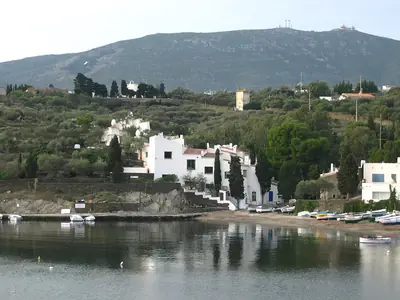
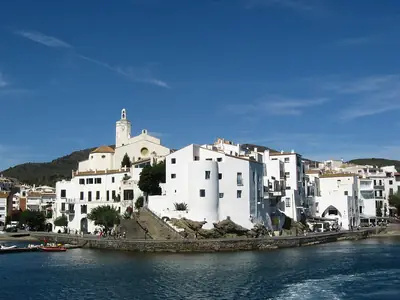
Cadaqués is a whitewashed coastal town on the Costa Brava, where bright buildings contrast with the rugged Cap de Creus peninsula and the deep blue Mediterranean. Its narrow cobbled lanes, small coves and sheltered waterfront give it a peaceful yet creatively charged atmosphere that has long attracted artists and visitors alike. Neywo offers a free audio guide for Cadaqués with 11 narrated places, letting you explore the town at your own pace.
A walking tour of Cadaqués highlights
Salvador Dalí House Museum
Located in the nearby hamlet of Portlligat, the Salvador Dalí House Museum occupies the former fisherman’s residence where the artist lived and worked from 1930 until 1982. After the death of his wife Gala, Dalí moved to Púbol Castle, and the house is now managed by the Gala‑Salvador Dalí Foundation, offering a direct look at his daily life and creative environment.
Galería Cadaqués
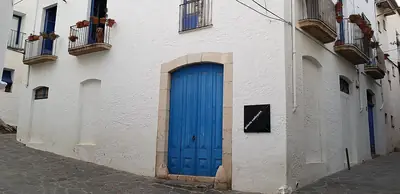
Opened in 1973 inside a former anchovy‑salting factory, Galería Cadaqués was founded by the Milanese architect Lanfranco Bombelli. Its original purpose was to sell an art edition called Cadaqués portfolio to raise funds for restoring the town’s non‑believers’ cemetery. Between 1973 and 1997 the gallery hosted 211 exhibitions featuring as many as 114 artists, and it was reopened in 2003 as Galería Cadaqués Dos with Bombelli’s approval.
Museu de Cadaqués
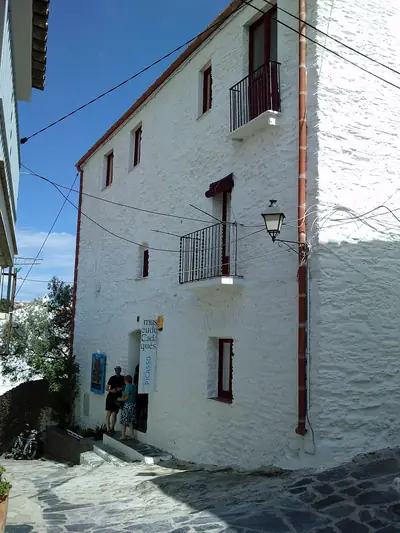
Situated in the historic centre, the Museu de Cadaqués is a small art museum that focuses on exhibitions linked to the town’s artistic activity and history. It began without a permanent collection, instead presenting long‑running shows that have featured figures such as Salvador Dalí and Pablo Picasso, providing insight into the local creative scene.
Castell de Sant Jaume
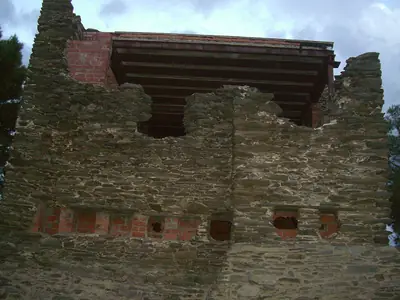
Also known as Castillo de San Jaime, this fortress is a notable cultural landmark in the municipality. It belongs to the Alt Empordà region of Girona province and has been officially declared a Property of National Cultural Interest, recognising its importance as a monument of Catalan heritage.
Castell de Cadaqués
Another element of the town’s cultural heritage, the Castell de Cadaqués stands as a reminder of the municipality’s medieval past. Its walls and towers contribute to the distinctive silhouette that rises above the whitewashed streets.
Far de cap de Creus
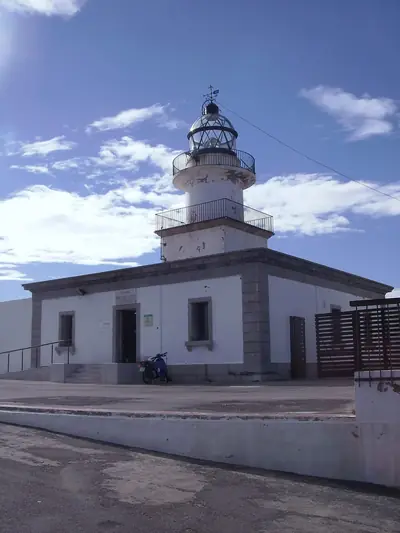
The Cape Creus Lighthouse, or Far de cap de Creus, marks the southern tip of the Cap de Creus headland. Built on the foundations of an ancient Roman signal tower, the lighthouse has long served as a watchpoint over the Mediterranean and remains a striking feature of the landscape.
Oratori dels Dolors
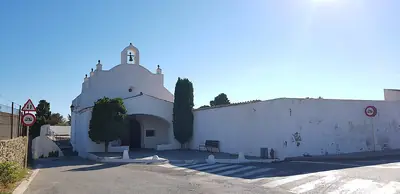
This church building forms part of Cadaqués’ architectural heritage. Its modest façade and simple interior reflect the town’s traditional religious architecture, offering a quiet spot for contemplation amid the bustling streets.
Sant Baldiri hermitage
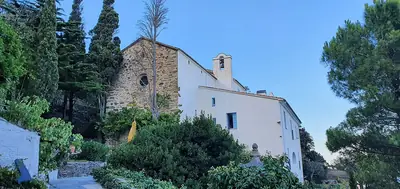
Known as the Sant Baldiri hermitage, this quiet church building is included in Catalonia’s Architectural Heritage Inventory. Its secluded setting invites visitors to pause and appreciate the surrounding natural scenery while noting its recognised status in the region’s heritage list.
Sant Sebastià de Pení
Perched on the eastern slope of Puig Pení at an elevation of 384.6 metres, Sant Sebastià de Pení is an isolated chapel dedicated to Saint Sebastian and Saint Quiteria. Its elevated position provides panoramic views of the coastline and the interior hills, and it is listed in the Inventory of the Architectural Heritage of Catalonia.
Santa Maria de Cadaqués
Rising to the highest point in the town, Santa Maria is the parish church dedicated to Saint Mary. Its bell tower dominates the skyline and serves as a focal point for both religious life and the town’s visual identity.
Cape of Creus
The rugged headland known as Cape of Creus is the easternmost point of the Iberian Peninsula and lies within the Cap de Creus Natural Park. Geological richness led to its protection as a natural park, and the landscape juxtaposes abrupt rocks with numerous small coastal inlets. Near the tip, a lighthouse stands on the site of a former Roman signal tower, a reminder of the area’s long‑standing maritime significance.
Explore Cadaqués with Neywo
Download the Neywo app to experience Cadaqués through its free audio guide, which includes 11 narrated places available in 11 languages. The app offers one walking tour: “Dalí’s Cadaqués: From the Hilltop Church to Portlligat,” covering 1.55 km in about 57 minutes with seven stops—Santa Maria de Cadaqués, Castell de Cadaqués, Museu de Cadaqués, Galería Cadaqués, Castell de Sant Jaume, Sant Baldiri hermitage, and the Salvador Dalí House Museum. As you reach each location, the app tells the story of that place, allowing you to move at your own pace without a group or a fixed schedule. Use Neywo to discover the art, history and landscape that make Cadaqués a memorable destination on the Costa Brava.
Places with an audio guide in Cadaqués
8 places in Cadaqués with a Neywo audio guide. Each one starts telling its story as you reach it.
Self-guided tours in Cadaqués
1 tour in Cadaqués, free in the Neywo app. Each stop tells its story as you reach it.
- Walk
Dalí's Cadaqués: From the Hilltop Church to Portlligat
Start at the whitewashed town's parish church on its highest point, then drop through the old streets past the museum and the gallery where Duchamp, Hockney and Beuys once exhibited. Follow the shore to the castle on the headland and finish at the fisherman's house in Portlligat where Salvador Dalí lived and worked for half a century.
Santa Maria de Cadaqués · Castell de Cadaqués · Museu de Cadaqués · Galería Cadaqués · Castell de Sant Jaume · Sant Baldiri hermitage …
Open this tour: Dalí's Cadaqués: From the Hilltop Church to Portlligat
Walk Cadaqués with Neywo
Neywo turns Cadaqués into a self-guided audio tour. Stories arrive as you reach the place they belong to, and the route reshapes when you wander off it.

